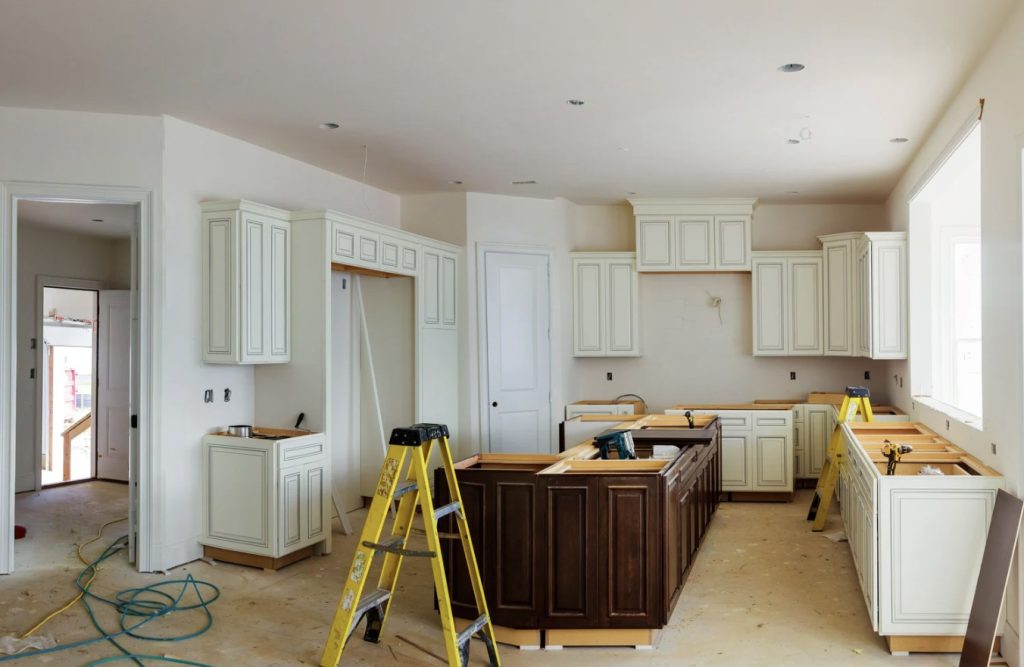
Yes, most homeowners can live in their house during a major remodel, but whether it’s actually livable depends on which rooms are involved, how the project is sequenced, and whether critical systems like water and electricity stay functional throughout. A single-room renovation, like a bathroom or bedroom, rarely forces anyone out. A whole-home project touching plumbing, electrical, and structural work at the same time often does.
One of the first decisions in any remodel is answering this question. It affects the schedule, the order of the work, and sometimes the budget, which is why the Best Remodeling Company Englewood CO will address it before construction begins.
What Determines Whether You Can Stay
A few specific factors decide this more than the overall size of the project.
Which systems get disrupted? Water shutoffs, electrical panel work, and HVAC disconnection are the biggest factors. A kitchen remodel that requires the water main to be off for a full day is manageable. One that leaves the home without functioning plumbing for a week is a different situation entirely.
How many rooms are affected simultaneously? A phased renovation that tackles one area at a time while keeping the rest of the home usable is far more livable than a project that opens up multiple rooms at once.
Dust and air quality. Demolition generates significant dust, and depending on the home’s age, that dust can include lead paint particles or other materials that pose a real health concern, particularly for children, older adults, or anyone with respiratory issues.
Access to a working kitchen and bathroom. Even during a major renovation, having at least one functional bathroom and some way to prepare food makes staying home far more manageable than losing both at once.
Project Type Comparison
| Project Type | Typically Livable? | Main Consideration |
| Single bathroom remodel | Yes, if a second bathroom exists | Water shutoff windows are usually brief and schedulable |
| Kitchen remodel | Often, yes, with a temporary setup | Loss of cooking space for weeks; a temporary kitchen area helps |
| Whole-home rewiring | Difficult | Extended power outages in work zones, sometimes home-wide |
| Structural work (load-bearing walls, additions) | Case-by-case | Dust, noise, and safety zones around open framing |
| Roof replacement | Usually yes | Noise-heavy, but rarely disrupts interior systems |
| Whole-house renovation | Rarely, for more than a few days at a time | Multiple systems down simultaneously; limited livable space |
Questions Worth Asking Before Deciding
Before committing to staying in the home throughout a project, it helps to get specific answers rather than a general sense that “it should be fine.”
How long will water be shut off, and will that happen all at once or in stages? Will there be a period without a functioning kitchen, and if so, how long? Is any part of the project likely to disturb lead paint or asbestos, both common in homes built before the 1980s? Will the electrical panel be down at any point, and for how long? Is there a safe, dust-contained area of the home that stays usable throughout?
A contractor experienced in occupied renovations should be able to answer all of these clearly during the planning phase, along with a rough day-by-day breakdown of what parts of the home will be affected and when.
Making an Occupied Renovation More Manageable
For homeowners who decide to stay, a few practical steps make a meaningful difference. Setting up a temporary kitchen area with a microwave, mini fridge, and hot plate in an unaffected room keeps meals manageable during a kitchen remodel. Sealing off work zones with plastic sheeting and using air purifiers in living areas reduces dust migration into the rest of the home. Establishing a clear daily schedule with the contractor for when water, power, or specific rooms will be inaccessible helps avoid surprises. Setting aside a dedicated, undisturbed space, even a single room, gives the household somewhere to retreat to when the rest of the home feels chaotic.
When Moving Out Temporarily Makes More Sense
Some situations genuinely call for temporary relocation, even for homeowners who’d prefer to stay. Extended periods without any working bathroom, projects involving asbestos or lead abatement that require professional containment, whole-home renovations where multiple systems are down simultaneously, and households with infants, elderly residents, or anyone with significant health vulnerabilities to dust exposure are all situations where moving out, even for a portion of the project, is usually the more reasonable choice.
This doesn’t have to mean the entire renovation. Some homeowners move out only during the most disruptive phase, like demolition or major structural work, and return once the home is back to having functional utilities and reduced dust.
Why This Should Be Part of the Planning Conversation
A contractor who has managed occupied renovations before will typically build the project sequence around minimizing disruption, tackling one zone at a time, scheduling utility shutoffs for the shortest possible windows, and containing dust with proper barriers, rather than treating occupancy as an afterthought. This is worth asking about directly during the bidding process, since not every contractor structures their work this way by default, and the difference in daily livability can be significant.
Final Thoughts
Whether a household can stay in the home during a major remodel depends far more on which systems are affected and how the project is sequenced than on the overall size or cost of the renovation. Single-room projects with clear utility windows are usually manageable. Whole-home renovations involving multiple systems at once often are not, at least not comfortably. Asking specific questions about water, power, dust, and kitchen access before the project begins gives a much clearer picture than assuming based on the project’s general scope, and a contractor experienced in occupied renovations can plan the sequence in a way that keeps the home as livable as possible throughout.