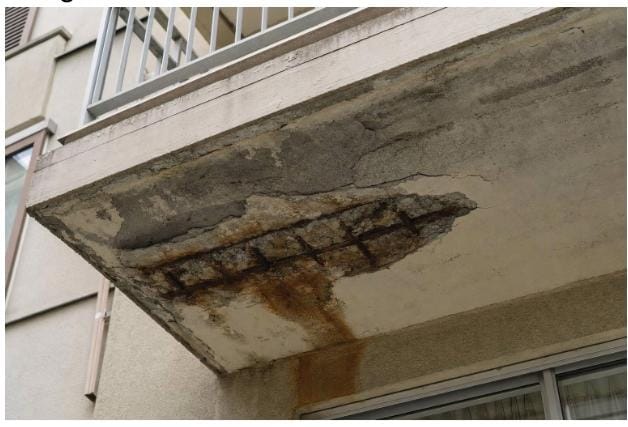
Facades in Brisbane and along the south-east Queensland coast face humid summers, salt-laden air, intense UV exposure and sudden storms. These conditions repeatedly affect membranes, sealant joints, balcony edges, fixings and coated metal. A hairline crack or blocked drain can lead to water ingress, concrete damage, extensive access work and a special levy. This guide explains what owners and body corporate committees should inspect, how responsibilities are divided and how to plan repairs in a sensible order.
Rectification Versus Routine Facade Maintenance
Routine facade maintenance covers predictable tasks such as washing exposed surfaces, clearing gutters and drains, checking seals and recording inspections. Rectification begins when a component has failed or no longer complies. Common remedial scopes include replacing waterproofing membranes on balconies, podiums and roofs, renewing sealant, repairing concrete affected by corroded reinforcement, upgrading balustrades and applying protective coatings.
Your Obligations in Queensland
Under Queensland body corporate law, the body corporate must maintain common property in good condition and, where relevant, in a structurally sound condition. Lot owners are responsible for maintaining their lots. The boundary depends on the scheme’s survey plan and regulation module, so confirm both before allocating a rectification task or cost.
Several other checks follow an annual cycle:
- Fire safety installations. Queensland Development Code MP 6.1 applies to Class 1b and Class 2 to 9 buildings. It requires a yearly occupier’s statement to be provided to the Queensland Fire Department. Penalties can apply for non-compliance.
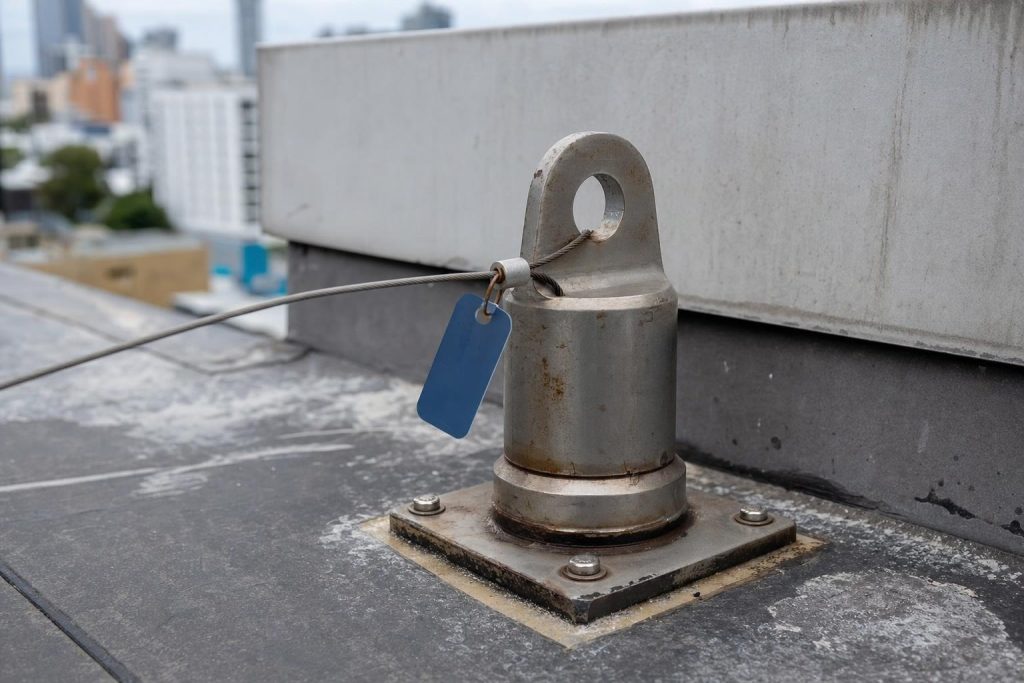
- Height-safety anchors. WorkSafe Queensland guidance states that permanent and post-installed rope-access and fall-arrest anchors must be inspected and load-tested at intervals not exceeding 12 months. Proof loads are typically 6 kN for rope access and 7.5 kN for fall arrest.
- Decks and balconies. Queensland Government guidance recommends inspecting decks and balconies at least once a year. A corroded fixing, loose balustrade or drainage fault can affect structural safety.
The QBCC treats water penetration as a structural defect impact. Defective work can also include work that does not comply with the Building Act, the National Construction Code or relevant standards.
What Tends to Fail First
Balconies are a common starting point because they combine a membrane, drainage details, a threshold and balustrade fixings in a small area. Sealant joints can harden and split under UV exposure, while coated aluminium and steel are vulnerable in salt-spray environments. Dulux maintenance guidance recommends cleaning powder-coated exterior elements at least every six months in C4 sea-spray zones and every three months in C5 surf or high-exposure zones. Near-coastal Brisbane buildings may fall within these categories.
A Twelve-Month Facade Care Calendar
- Quarterly: Clear gutters, box drains, balcony outlets and downpipes. Wash coated elements more frequently where the site has high salt or surf exposure.
- Twice yearly: Wash exposed facade elements where the coating manufacturer recommends it. Walk around the building after major storms and photograph new staining, cracks or movement.
- Annually: Inspect decks, balconies, fixings and balustrades. Check window and door seals, arrange anchor inspection and load testing, file the certificates and complete the MP 6.1 occupier’s statement where required.
Scoping Repairs and Choosing Access
Once a defect is found, the repair sequence matters more than the final appearance. Trace the leak, test the membrane and identify damaged concrete before applying coatings or finishes. Ask for photographs at each stage, relevant test results and a written repair specification that can be retained with the building records. For a scope spanning concrete repairs, waterproofing and balustrade upgrades, consider comparing providers offering building rectification Brisbane.
Access can be one of the largest project costs. Rope access may suit inspections, sealant replacement and coating work on tall buildings. Elevated work platforms or scaffolding are usually more practical for heavy concrete breakout and longer projects. Whichever method is selected, anchors and access systems must be suitable for the work and tested on the required schedule.
When to Bring in a Remedial Builder
If the scope includes concrete repairs, waterproofing and balustrade upgrades, obtain comparable quotes from appropriately licensed contractors. For building rectification in Brisbane, assess each provider against the same written scope rather than comparing headline prices alone.
Amalgamated Group is one option to consider for a multi-trade project. Its remedial services include concrete spalling repair, waterproofing for balconies, podiums and roofs, cladding compliance work, balustrade replacement and roof-access system installation across Brisbane, the Gold Coast and the Sunshine Coast. Suitability and availability will depend on the building and the final scope.
For each quote, request the contractor’s QBCC licence number and class, insurance details, access and anchor records, proposed waterproofing certificates and written warranty terms. Confirm who will inspect concealed work before it is covered.
Combustible Cladding: Where Queensland Stands
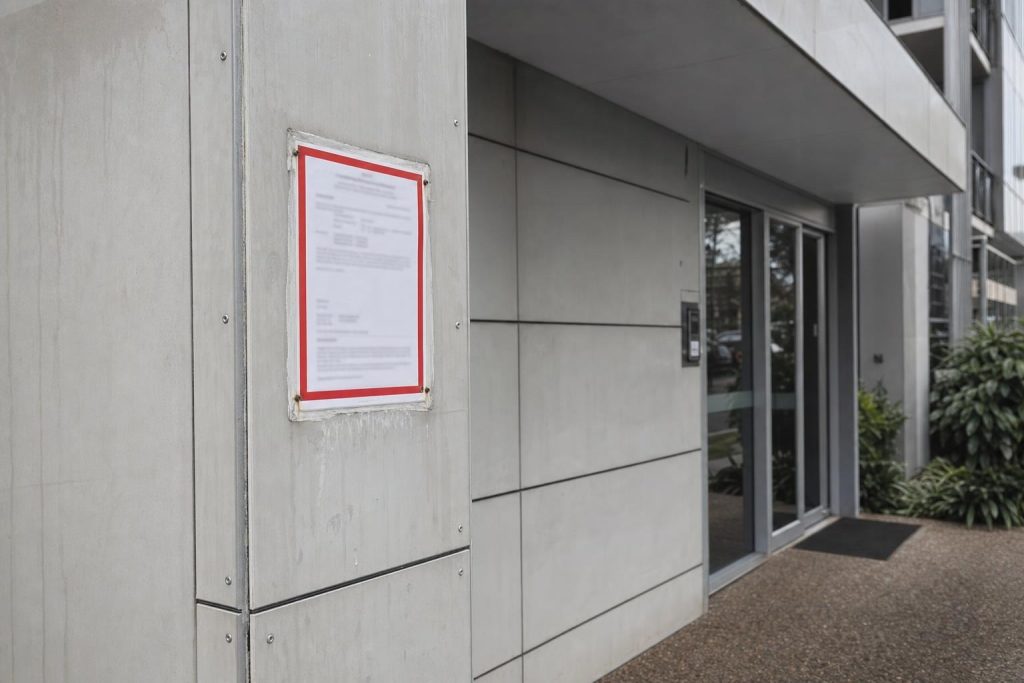
Queensland’s combustible-cladding process has cleared many private buildings, but some properties still require assessment, removal or rectification. Owners of affected buildings must follow any notice requirements until the matter is resolved. Because status figures and deadlines can change, committees should check current Queensland Government information and retain all assessment and rectification records, which can also inform routine exterior inspections for cracks or moisture.
Queensland’s published timetable delays adoption of the National Construction Code 2025 until 1 May 2027, leaving NCC 2022 operative in the meantime. Confirm the current adoption date with the building certifier when planning staged work that may continue beyond the transition.
Records Worth Keeping
- Occupier’s statements and fire-safety maintenance records
- Anchor registers and annual load-test certificates
- Waterproofing certificates and membrane product data sheets
- Dated defect photographs and inspection reports
- A maintenance log recording dates, contractors and completed scopes
FAQ
These answers cover common questions, but owners should confirm requirements for their building with the relevant body corporate adviser, contractor or certifier.
Do I need approval to replace windows or external cladding?
Changes to common property or a building’s external appearance usually require body corporate approval. The work must also comply with the Building Act and the applicable code. Confirm the approval pathway with the body corporate manager and a licensed builder or certifier before ordering materials.
Staying Ahead of Water Damage
Regular facade care helps protect safety, insurability and property value. Set an annual inspection calendar, keep records current and investigate staining or cracking before damage spreads. Whether the committee engages Amalgamated Group or another Queensland contractor, it should request the same licences, specifications, inspection evidence and completion documents for every project.