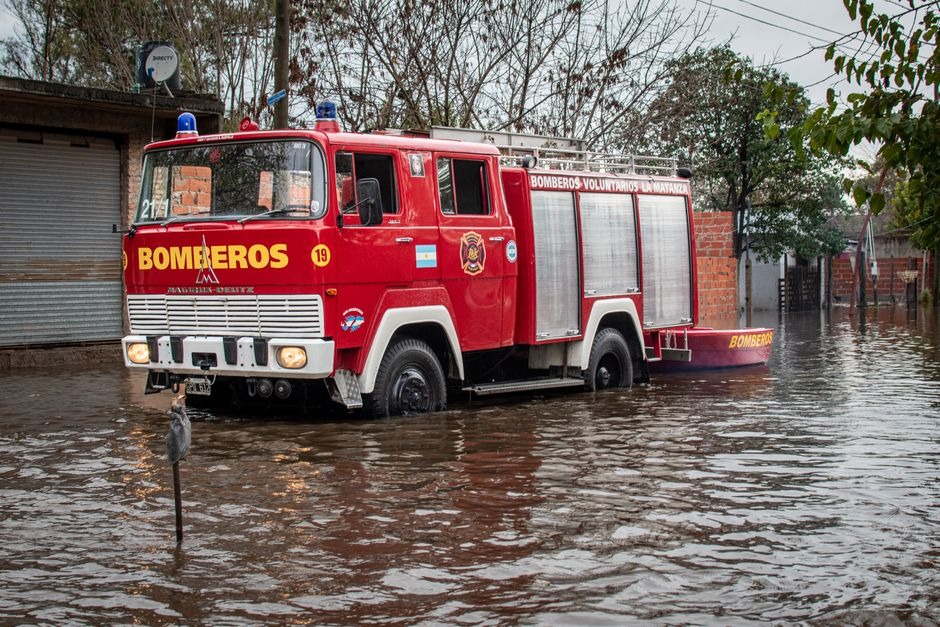
Fire and flooding can change a home’s condition almost overnight, but the financial consequences often extend far beyond the initial damage. In Austin, where the National Weather Service recorded 7.94 inches of rain at Camp Mabry during Hurricane Harvey in 2017, severe weather remains a relevant concern for property owners. Protecting a home’s value after disaster requires more than replacing damaged materials. It involves identifying hidden problems, documenting repairs, and restoring the conditions that make a property structurally sound and attractive to future buyers.
Why Hidden Damage Can Affect Property Value
Visible damage is only part of what happens when fire or water enters a home. Moisture can penetrate flooring, insulation, and wall cavities, while smoke residue may settle in ventilation systems and porous materials.
These problems are particularly concerning because they can remain undetected after cosmetic repairs. Fresh paint might conceal discoloration, but it cannot resolve moisture trapped beneath the surface.
Buyers and property inspectors often look beyond appearances when evaluating a previously damaged home. Unexplained odors, uneven flooring, and recurring stains can raise questions about the quality of restoration work.
Addressing underlying damage is therefore essential for preserving property value. Repairs should restore the function and condition of affected materials rather than simply improve their appearance.
Why Immediate Restoration Makes a Difference
The period immediately following a disaster is especially important because damage can continue developing after the original event has ended.
Standing water may spread into adjoining rooms, while damp materials can deteriorate if drying is delayed. Following a fire, exposed openings and damaged structural components may also leave the property vulnerable to additional problems.
Once the building is safe to enter, emergency restoration should focus on containing damage, assessing affected materials, and preventing further deterioration.
Property owners seeking professional assistance may consider Austin Fire & Flood for water extraction, fire damage restoration, mold remediation, and reconstruction services. Coordinating these stages helps address both immediate damage and the repairs necessary to restore the property.
Early intervention can reduce avoidable complications and create a stronger foundation for the remaining restoration process.
How Moisture Control Prevents Future Problems
Water damage can continue affecting a property long after visible puddles disappear. Moisture trapped beneath flooring or inside walls may encourage mold growth and weaken susceptible building materials.
Drying requires more than opening windows or running household fans. Depending on the extent of damage, professional equipment and moisture measurements may be necessary to determine whether affected areas have reached appropriate drying conditions.
The EPA’s guidance on recovering a flooded home explains why water removal, thorough drying, and attention to potentially contaminated materials are essential after flooding.
Certain materials may need replacement when they cannot be safely cleaned or dried.
Confirming that moisture problems have been resolved before reconstruction begins helps reduce the risk of recurring damage, unexpected repairs, and future concerns about the property’s condition.
Why Proper Documentation Supports Insurance Recovery
Insurance plays a significant role in financial recovery, but an approved claim does not automatically guarantee that every restoration expense will be covered.
Coverage depends on the policy, the cause of damage, applicable exclusions, and the evidence provided during the claims process.
Photographs, videos, repair estimates, and records of damaged belongings can help establish the extent of the loss. Maintaining invoices and written communication also creates a clearer record of decisions made throughout restoration.
The guide to navigating disaster insurance claims explains the importance of recording losses before removing damaged materials, while also taking reasonable steps to prevent further damage.
Organized documentation can support discussions with insurers and contractors. It may also prove useful during a future property sale by demonstrating what work was completed and how the damage was addressed.
Fire Restoration Goes Beyond Removing Smoke Odors
Fire damage frequently involves a combination of heat exposure, smoke contamination, soot deposits, and water used during firefighting efforts.
Although lingering odors are among the most noticeable consequences, eliminating the smell alone does not establish that restoration is complete.
Soot can accumulate on ceilings, fixtures, and other surfaces. Some residues may contribute to corrosion or discoloration if they remain untreated. Smoke particles may also penetrate materials that require specialized cleaning or replacement.
Effective restoration begins with understanding which areas and materials were affected. Cleaning methods should then be selected according to the type and severity of contamination.
Ventilation systems may require assessment before normal operation resumes, particularly when smoke or debris has entered the equipment.
A thorough approach protects the home’s usability while helping prevent residual damage from undermining otherwise successful repairs.
How Repair Quality Influences Buyer Confidence
A home’s repair history can influence how potential buyers evaluate its condition. Evidence of previous fire or water damage may prompt additional questions about structural integrity, moisture control, and the quality of completed work.
Poorly matched flooring, uneven finishes, or persistent odors can create uncertainty even when the property appears generally well maintained.
Professional repairs should prioritize both technical performance and consistent workmanship. Materials need to be installed correctly, damaged components should be addressed, and affected systems should function as intended.
Keeping relevant inspection records, permits, photographs, and contractor documentation can help demonstrate the scope of completed restoration.
Transparency is equally important. Accurate disclosures, where required, help buyers understand the property’s history without relying on assumptions.
Confidence develops when the visible condition of a home is supported by credible evidence of proper repairs.
The Long-Term Importance of Structural Recovery
Restoration should consider how damage affects the building as a complete system rather than treating each room independently.
Water exposure can affect subflooring, framing, electrical components, and insulation. Fire may compromise structural materials or building systems even when some surfaces remain intact.
Qualified professionals should determine which components can be retained and which require repair or replacement.
This assessment helps prevent situations where attractive finishes conceal conditions that may later require invasive work.
Long-term recovery also involves addressing the original cause of damage whenever possible. Leaking plumbing, ineffective drainage, and vulnerable openings may create recurring problems if left unresolved.
By correcting underlying weaknesses, property owners can improve durability while reducing the likelihood of repeated restoration expenses.
Protecting Your Investment Through Thoughtful Restoration
The most effective restoration projects balance immediate recovery with long-term property performance.
Rather than focusing exclusively on appearance or the lowest repair estimate, homeowners should evaluate whether the proposed work addresses the full extent of damage.
Clear assessments, appropriate materials, qualified workmanship, and reliable documentation all contribute to a more dependable outcome.
Maintenance remains important after reconstruction. Periodic inspections can identify leaks, material deterioration, or other warning signs before they develop into larger problems.
A previously damaged home does not automatically lose its ability to attract buyers or retain value. Much depends on the severity of the incident, the quality of restoration, and the property’s overall condition.
Ultimately, thoughtful restoration protects more than walls, floors, and finishes. It helps preserve the structural reliability, marketability, and long-term usefulness of a valuable asset.