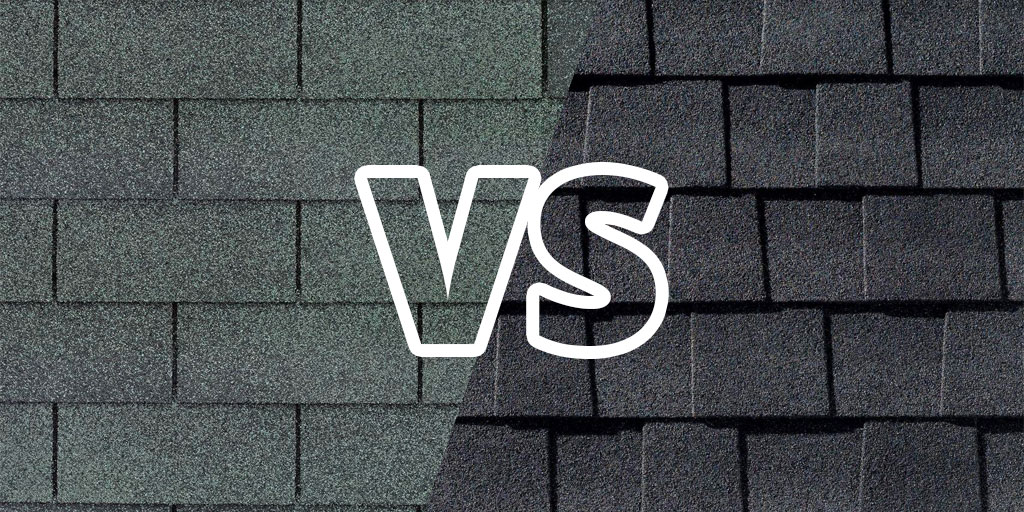
Choosing the right roofing shingle is one of the most important decisions a homeowner will make during a roof replacement or new build. Among the most common options on the market today are architectural shingles and 3-tab shingles. While both serve the same basic purpose of protecting your home from the elements, they differ significantly in appearance, durability, cost, and overall value. Understanding these differences can help you make an informed decision that fits your budget, aesthetic preferences, and long-term goals.
In this guide, we will break down everything you need to know about architectural shingles vs. 3-tab shingles, including their construction, performance, cost, and which option might be best suited for your home.
What Are 3-Tab Shingles?
3-tab shingles have been a staple in the roofing industry for decades. They are made from a single layer of asphalt material cut into three evenly sized tabs, creating a flat, uniform appearance across the roof. Because they are constructed from one layer, 3-tab shingles are thinner and lighter than their architectural counterparts.
These shingles typically weigh less per square (a roofing term referring to 100 square feet of coverage) and are generally the most budget-friendly option available. Homeowners who are working with a tight renovation budget or who own rental properties often gravitate toward 3-tab shingles because of their lower upfront cost.
However, the simplicity that makes 3-tab shingles affordable also limits their lifespan and performance. Most 3-tab shingles come with a warranty ranging from 20 to 25 years, though in practice, many homeowners find they need replacement sooner, especially in regions with harsh weather conditions like high winds, hail, or extreme temperature fluctuations.
What Are Architectural Shingles?
Architectural shingles, sometimes called dimensional or laminate shingles, represent a more advanced and durable roofing option. Unlike 3-tab shingles, architectural shingles are constructed from multiple layers of asphalt that are fused together. This layered construction gives them a thicker, more substantial profile and a textured, multidimensional appearance that mimics the look of natural materials like wood shakes or slate.
The added material and construction complexity make architectural shingles heavier and more durable than 3-tab shingles. They are better equipped to withstand high winds, often rated for wind speeds up to 130 mph or higher depending on the manufacturer, and tend to perform better in areas prone to severe weather.
Architectural shingles typically come with longer warranties as well, often ranging from 30 years to lifetime coverage, depending on the brand and product line. This added durability and visual appeal come at a higher price point, but many homeowners find the investment worthwhile given the long-term benefits.
Architectural Shingles vs 3-Tab: Key Differences
When comparing architectural shingles vs 3-tab shingles, several factors come into play that can influence your final decision. Let us take a closer look at each of these categories.
Appearance and Curb Appeal
One of the most noticeable differences between these two shingle types is their visual impact. 3-tab shingles have a flat, uniform look that, while clean and classic, can appear somewhat plain compared to more premium roofing materials. Because all the tabs are the same size and shape, the roof surface looks consistent but lacks depth or dimension.
Architectural shingles, on the other hand, offer a rich, textured appearance thanks to their multi-layered design. The varying shapes, sizes, and shadow lines created by the layered construction give the roof a more dynamic, upscale look. This is one of the primary reasons homeowners choose architectural shingles when they want to boost their home’s curb appeal or increase resale value.
Durability and Lifespan
Durability is where architectural shingles truly shine. Because they are made from multiple layers of asphalt, they are inherently stronger and more resistant to wear and tear from wind, hail, and general weathering. Many architectural shingles carry algae-resistant and impact-resistant ratings that are not typically available with standard 3-tab products.
3-tab shingles, while still a functional roofing solution, simply cannot match this level of resilience. Their single-layer construction makes them more vulnerable to cracking, curling, and granule loss over time, particularly in climates with significant temperature swings or frequent storms.
Cost Considerations
Cost is often the deciding factor for many homeowners, and it is here that 3-tab shingles maintain a clear advantage, at least initially. On average, 3-tab shingles cost less per square than architectural shingles, making them an attractive option for those on a limited budget or for properties where long-term investment is not a priority.
Architectural shingles, while more expensive upfront, often provide better value over the life of the roof. Their extended lifespan and reduced need for repairs or early replacement can offset the higher initial cost, especially when you factor in labor savings from not having to re-roof as frequently.
Weight and Installation
The difference in construction also affects installation. 3-tab shingles are lighter and easier to handle, which can sometimes translate to lower labor costs and faster installation times. Architectural shingles, being heavier due to their layered design, may require more time and effort to install properly, which can slightly increase labor expenses.
That said, most professional roofing contractors are well-versed in installing both types, so the difference in installation complexity is usually minimal when working with an experienced crew.
Wind and Weather Resistance
For homeowners in regions prone to severe weather, wind resistance is a critical consideration. Architectural shingles generally outperform 3-tab shingles in this category, with many products rated to withstand winds well above 110 mph. This makes them a popular choice in coastal areas or regions that experience frequent storms.
3-tab shingles, while still capable of providing adequate protection in milder climates, are more susceptible to wind damage and may require more frequent inspections and repairs following severe weather events.
Which Option Is Right for Your Home?
Deciding between architectural shingles vs. 3-tab shingles ultimately comes down to your specific needs, budget, and long-term goals. If you are looking for the most cost-effective solution and plan to sell your home in the near future or are working on a rental property, 3-tab shingles may be the practical choice. They provide reliable, basic protection at a lower price point.
However, if you are planning to stay in your home for many years, want to maximize curb appeal, or live in an area with harsh weather conditions, architectural shingles are likely the better investment. Their enhanced durability, longer lifespan, and more attractive appearance make them a popular choice among homeowners across the country, from Austin, Texas, to Portland, Oregon.
It is also worth noting that some homeowners associations (HOAs) have specific requirements regarding shingle type, so it is wise to check any local regulations or community guidelines before making your final decision.
Working with a Professional Roofing Contractor
Regardless of which shingle type you choose, working with an experienced, licensed roofing contractor is essential to ensuring a successful installation. A qualified contractor can help you evaluate your roof’s specific needs, recommend the best shingle type for your climate and budget, and ensure the installation meets manufacturer specifications to maintain warranty coverage.
Be sure to ask potential contractors about their experience with both architectural and 3-tab shingles, request references, and confirm they are properly licensed and insured before beginning any roofing project.
Frequently Asked Questions
Are architectural shingles worth the extra cost compared to 3-tab shingles?
In most cases, yes. While architectural shingles have a higher upfront cost, their benefits often justify the investment:
- Longer lifespan, often 30 years or more compared to 20-25 years for 3-tab shingles
- Better wind and impact resistance
- Enhanced curb appeal and potential boost to resale value
- Reduced need for frequent repairs or early replacement
Can I install architectural shingles over existing 3-tab shingles?
In some cases, local building codes allow for a single layer of shingles to be installed over existing 3-tab shingles. However, this is not always recommended due to the added weight and potential issues with proper ventilation and warranty coverage. A professional roof inspection is the best way to determine whether your existing roof structure can support this type of installation.
Do architectural shingles require special installation techniques?
Architectural shingles are installed using similar methods to 3-tab shingles, though their added thickness and weight may require slight adjustments in nailing patterns and handling. Most experienced roofing contractors are familiar with the proper installation techniques for both shingle types.
How do I know which shingle type is best for my climate?
Consider these factors when choosing a shingle type for your climate:
- High wind areas benefit from architectural shingles with higher wind ratings
- Hail-prone regions may require impact-resistant architectural shingles
- Mild climates with fewer severe weather events may be well-suited for cost-effective 3-tab shingles
- Humid or algae-prone areas benefit from algae-resistant architectural options
Will choosing architectural shingles increase my home’s resale value?
Many real estate professionals agree that upgraded roofing materials, including architectural shingles, can positively impact a home’s resale value and buyer appeal. A newer, more attractive roof is often seen as a significant selling point, particularly in competitive housing markets.
Final Thoughts
When it comes to architectural shingles vs. 3-tab shingles, there is no universal right answer. Both options have their place in the roofing industry, and the best choice depends on your budget, climate, aesthetic preferences, and long-term plans for your property. By understanding the key differences outlined in this guide, you will be well-equipped to make a confident, informed decision for your next roofing project. Consulting with a trusted local roofing professional can further help you weigh the pros and cons based on your home’s specific needs and your region’s climate conditions.