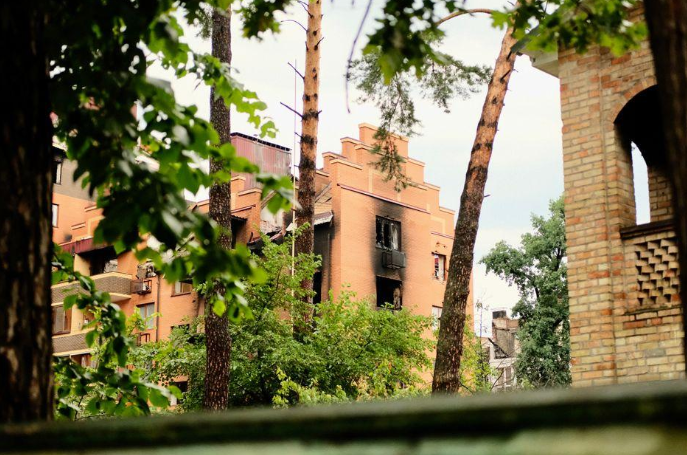
A house fire can change a property in minutes, but the effects rarely end when the flames are extinguished. Heat, smoke, soot, water, and structural damage can spread well beyond the most visibly affected rooms, creating problems that continue to develop afterward. Recovery therefore involves more than replacing burned materials. It requires careful assessment, documentation, cleanup, and repairs in the right order. Understanding what happens after a fire can help homeowners protect their property, avoid unnecessary losses, and approach restoration with greater confidence.
Look Beyond the Most Visible Damage
Charred walls and damaged furniture naturally attract attention first, but some of the most persistent problems can be harder to see.
Smoke travels through rooms, wall cavities, ventilation systems, fabrics, and other porous materials. Soot can settle on surfaces far from the original fire, while heat may damage electronics, finishes, and building materials without leaving obvious burn marks.
Water creates another concern. Fire suppression can leave drywall, flooring, insulation, and other materials saturated. If moisture is not addressed promptly, additional deterioration may follow.
That combination is why post-fire recovery should begin with a complete assessment rather than concentrating only on the area where the flames were visible.
Check What the Fire Did Beneath the Surface
A building does not need to partially collapse for structural damage to exist.
Extreme heat can weaken framing and other building components, while water from firefighting efforts may affect ceilings, subfloors, insulation, and wall assemblies. Areas that appear stable from a distance may therefore need closer examination.
A thorough inspection should consider both visible and concealed damage. Moisture readings, structural evaluations, and examination of wall or ceiling cavities may be necessary depending on the severity of the event.
For properties requiring substantial fire and smoke damage restoration, the assessment should account for fire, smoke, soot, moisture, and structural concerns together. Treating these as separate problems can make it easier to overlook how one type of damage has affected another.
Make Safety the First Priority
Entering a damaged property too soon can expose you to hazards that are not immediately apparent.
Before going inside, wait until emergency personnel or another appropriate authority confirms that entry is safe. Structural components may have weakened, electrical systems could be compromised, and standing water can introduce additional risks.
Guidance for returning home after a fire emphasizes confirming that the property is safe to enter and avoiding attempts to reconnect utilities yourself. It also advises making an inventory of damaged possessions before disposing of them.
Once access is permitted, concentrate on essential belongings and documentation rather than immediately beginning cleanup. Safety should remain the priority even when damage appears manageable.
Deal With Smoke and Soot Early
Smoke damage can persist long after burned materials have been removed.
Residue may cling to walls, ceilings, furniture, fabrics, and ventilation components. Depending on what burned, soot can also be oily or acidic, making ordinary household cleaning methods ineffective or potentially damaging to certain surfaces.
Professional restoration may involve surface cleaning, air filtration, deodorization, and attention to HVAC components. An overview of fire damage cleanup and restoration explains that restoration can involve several different issues at once, including smoke, soot, water, odors, and damaged building materials.
Addressing these problems early can reduce the likelihood of permanent staining, persistent odors, and additional material damage.
Document Everything Before Cleanup Moves Too Far
The urge to start clearing damaged belongings immediately is understandable, but documentation should come first whenever it is safe to do so.
Take photographs and videos of affected rooms, structural damage, furniture, appliances, and personal possessions. Capture wide views as well as closer images that show specific damage.
Create an inventory of affected belongings and record whatever information is available, such as approximate age, purchase price, model, and replacement cost. Receipts, previous photographs, online purchase histories, and financial records may help when original paperwork is unavailable.
Keep records of temporary expenses as well. Accommodation, essential clothing, meals, transportation, and emergency property protection may all become relevant during an insurance claim, depending on the policy.
Good documentation creates a clearer record before cleanup changes the condition of the property.
Treat Water Damage as Part of the Same Problem
Water is necessary to extinguish many fires, but it can create a second wave of property damage.
Wet drywall may soften or collapse. Flooring can swell, warp, or separate. Insulation can retain moisture, while concealed areas may remain damp even when visible surfaces begin to dry.
Water extraction and drying should therefore be incorporated into the recovery plan early. Simply removing standing water may not be enough because moisture can remain trapped beneath flooring or inside walls.
The important question is not whether the property looks dry. It is whether affected materials have actually reached appropriate moisture levels before reconstruction begins.
Keep the Insurance Process Organized
An insurance claim can become difficult to manage when photographs, receipts, estimates, and conversations are scattered across different places.
Create one system for everything related to the loss. Save photographs, inventories, emails, receipts, claim documents, estimates, and notes from important conversations together.
Before authorizing major repairs, understand what the policy covers and how the insurer wants damage documented. Ask how emergency work, temporary accommodation, damaged belongings, and reconstruction will be handled.
When discussing repairs, make sure estimates describe the scope clearly. A detailed proposal should help distinguish cleaning, removal, structural repairs, replacement materials, and other work rather than presenting one unexplained total.
Rebuild With Future Safety in Mind
Restoration is primarily about making a home safe and usable again, but reconstruction can also provide an opportunity to correct vulnerabilities.
Damaged electrical components may need replacement, while insulation, ventilation, alarms, and certain building materials can sometimes be upgraded during the work. The appropriate improvements will depend on the property and the cause and extent of the fire.
Once repairs are complete, review basic fire preparedness as well. Smoke alarms should be correctly positioned and maintained, fire extinguishers should be accessible where appropriate, and everyone in the household should understand how to leave safely during an emergency.
Important property records and photographs can also be stored digitally so they remain accessible if physical copies are ever damaged.
Focus on a Complete Recovery, Not Just a Quick Cleanup
The goal after a fire is not simply to make the visible damage disappear. A successful recovery addresses the problems that flames, smoke, soot, heat, and water may have created throughout the property.
Move carefully through each stage. Confirm that the building is safe, document the loss, investigate hidden damage, control moisture, and understand the repair plan before reconstruction moves ahead.
A fire can create an overwhelming amount of work at once, but recovery becomes more manageable when decisions are made in the right sequence. What matters most is restoring the property thoroughly rather than quickly covering the evidence of what happened. Done properly, the process can leave a home not only repaired, but safer and better prepared for the future.