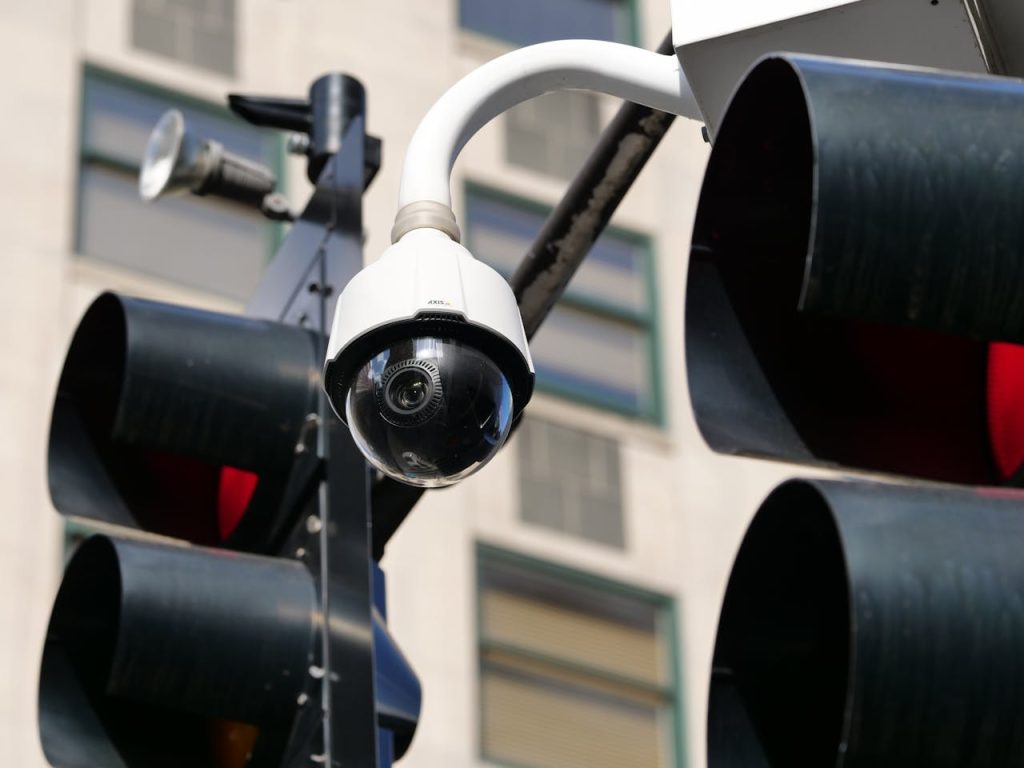
It’s true that having any surveillance system is better than having none at all, but it’s important to be aware of what that actually means.
An outdated system may technically be better than not having any, but it could still pose real security vulnerabilities that could have devastating consequences.
The added problem is that many organisations don’t think about upgrading their system until their existing one fails, not realising that they’re already at risk. So let’s make sure that doesn’t happen. In this post, we’ll run through a few tried-and-tested signs that your video surveillance system is outdated and that it’s time to upgrade.
Your Cameras Are Standard Definition
Having a recording of an incident doesn’t count for much if the footage is of such low resolution that confirming details — such as the identity of the people in the video — is much more difficult than it ought to be.
Standard definition footage was acceptable a decade or so ago, but it’s not today. The modern expectation is that video surveillance systems will record footage in high definition at a minimum, with some recording in 4k. This doesn’t just make it easier for footage to be viewed, but also helps AI-powered analytic tools to function more effectively.
You Still Have to Manually Monitor Feeds
Humans can see a lot, but they can’t see everything. Workers get tired, and things get overlooked — and the problem becomes even more extensive at scale. It’s simply not possible for employees to monitor cameras at multiple locations and have confidence that nothing has been missed. Modern video surveillance management systems feature automated incident response tools that can automatically trigger alerts that notify operators, giving peace of mind that something important will be caught even if there’s no staff member looking at the screens. They also allow for pre-programmed incident responses that allow for action to be taken immediately.
You Can’t Scale
Parts of your video surveillance system might still work well, but if it doesn’t allow for a comprehensive view of all of your business’s important locations, then it might be time to upgrade. Some systems simply don’t scale, which means that you can’t add new locations to hardware without either complicating your system or replacing old hardware.
If you’re expanding or just want to have a system that you can trust will grow with your business, then it’s worthwhile to choose a video management system that easily allows you to add new cameras, locations, or uses without disrupting your existing operations.
You Can’t Access Footage Remotely
Some incidents will occur during business hours, when your organisation’s security team is on site. Others will take place out of hours. When they do, having to travel to a location to manually review footage can be time-consuming and ineffective. Modern systems allow for cloud/hybrid models that allow operators to review footage remotely, helping to speed up incident response and eliminate false alarms. This doesn’t just help with incidents, but also helps with staff morale, since it allows for greater flexibility without impacting security.