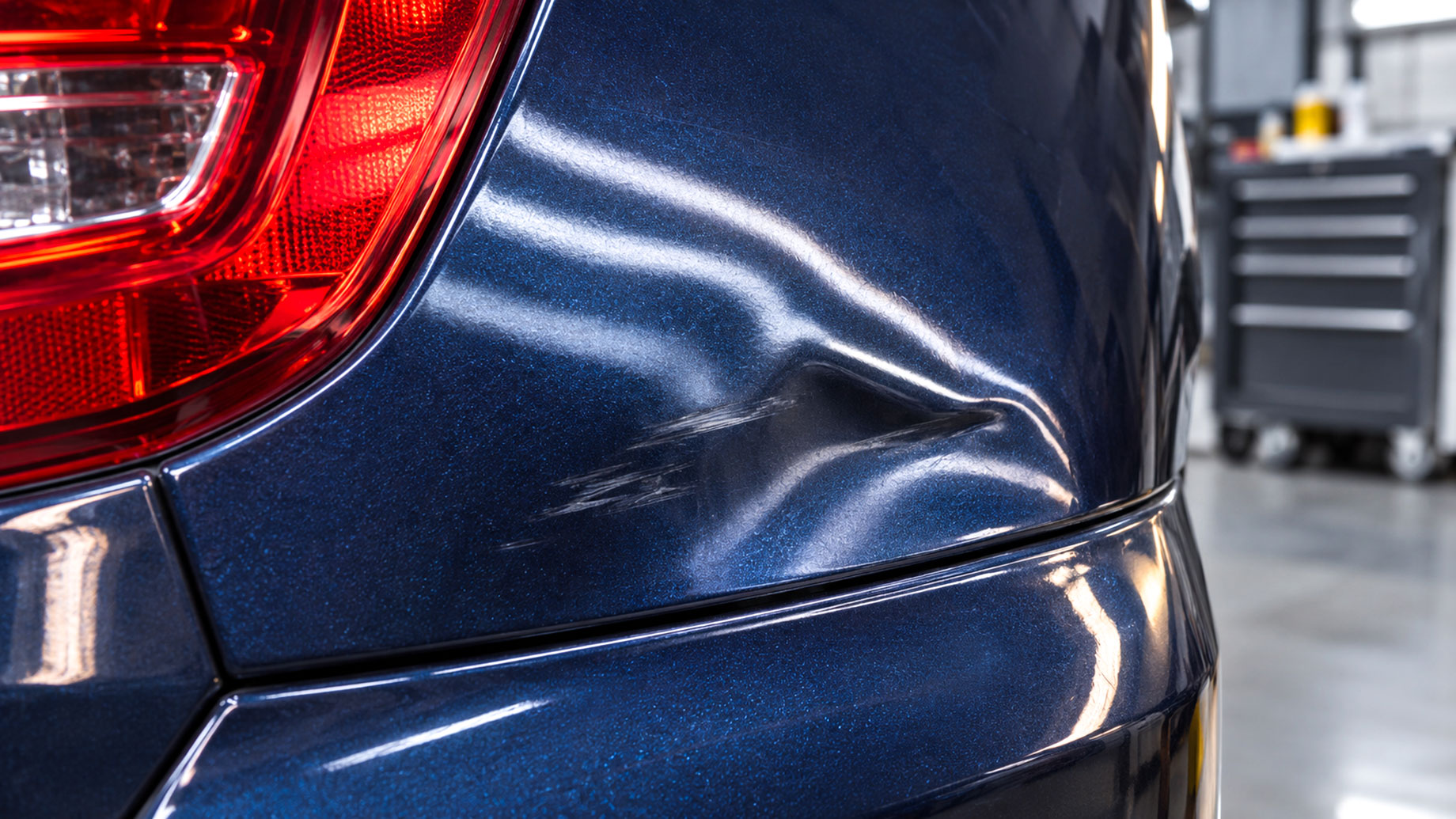
A vehicle collision can leave behind more than visible dents and scratches. Even a minor accident may damage bumpers, body panels, headlights, paint, or components that are not immediately noticeable. After an accident, getting the right repairs is important for restoring your vehicle’s appearance, protecting its structural integrity, and helping ensure it is safe to drive.
For drivers in Buford, GA, professional auto collision repair can address damage ranging from small exterior imperfections to more extensive accident-related issues. Understanding the repair process, knowing what to look for, and choosing a qualified repair facility can make the experience easier and help you make informed decisions about your vehicle.
What Is Auto Collision Repair?
Auto collision repair involves restoring a vehicle after it has been damaged in an accident or impact. The work may include repairing or replacing damaged body panels, correcting frame or structural issues, refinishing paint, and checking affected vehicle systems.
The exact repairs depend on the severity and location of the damage. A minor parking lot collision may only require bumper or panel repairs, while a more serious accident could involve structural components, suspension parts, lighting systems, or safety equipment.
A professional repair process focuses on more than making the vehicle look normal again. It also considers manufacturer repair procedures, proper part installation, and the vehicle’s overall condition.
Common Types of Collision Damage
Accidents can affect different parts of a vehicle, and some damage may be difficult to identify without a detailed inspection.
Bumper Damage
Bumpers often absorb impact during low-speed collisions. Damage can include cracks, dents, scratches, loose mounting points, and broken brackets. Even when a bumper appears mostly intact, its internal components or energy-absorbing structures may have been affected.
Depending on the damage, the bumper may be repaired or replaced.
Dents and Damaged Body Panels
Doors, fenders, quarter panels, hoods, and trunk lids can become dented or creased during a collision. Minor dents may qualify for paintless dent repair when the paint remains intact and the metal has not been stretched too severely. More extensive damage may require conventional body repair or panel replacement.
Paint Scratches and Surface Damage
Scrapes and scratches can expose underlying materials and affect the vehicle’s appearance. Professional refinishing may involve preparing the damaged area, applying suitable primer and paint, and blending the finish with surrounding panels.
Proper color matching and surface preparation are important for achieving a consistent result.
Frame and Structural Damage
A significant collision can affect the vehicle’s frame, unibody structure, or designated structural components. This type of damage requires careful measurement and specialized repair equipment.
Restoring structural alignment is important because it can affect handling, component fit, and crash performance.
Glass, Lights, and Exterior Components
An accident may also damage headlights, taillights, mirrors, windows, grilles, and other exterior components. Broken lighting or damaged mirrors can create visibility and safety concerns, so these issues should be addressed before returning the vehicle to regular use.
The Auto Collision Repair Process
A thorough repair process helps ensure that visible and hidden damage receives appropriate attention. Although the exact steps vary by vehicle and accident, most collision repairs follow several stages.
1. Initial Inspection and Damage Assessment
The process begins with an inspection of the vehicle. A technician evaluates visible damage and looks for signs of underlying problems involving panels, structural components, mechanical systems, and safety features.
Photographs and measurements may be used to document the vehicle’s condition and support the repair estimate.
2. Repair Estimate and Insurance Coordination
After assessing the damage, the repair facility prepares an estimate outlining the expected work, parts, and labor. If insurance is involved, the shop may communicate with the insurer to review the damage and coordinate the claim.
It is important to understand what the estimate includes, whether a deductible applies, and how additional damage discovered during repairs will be handled.
3. Disassembly and Hidden Damage Inspection
Some damage cannot be identified until affected components are removed. For example, a damaged bumper cover may conceal broken brackets, reinforcement components, or other underlying issues.
During disassembly, technicians can identify additional repairs that may be necessary. These findings may require a supplemental estimate and further insurance approval.
4. Structural and Body Repairs
Depending on the damage, technicians may repair or replace body panels and restore structural components using appropriate equipment and repair procedures.
Accurate measurements and proper installation help ensure that repaired areas fit correctly and that the vehicle’s structure is addressed appropriately.
5. Paint Preparation and Refinishing
When paint damage is present, the affected areas are prepared for refinishing. This may involve sanding, priming, color matching, and applying the appropriate paint and protective clear coat.
Careful refinishing helps the repaired area blend with the vehicle’s existing finish.
6. Reassembly and Quality Inspection
After the repairs and refinishing are complete, the vehicle is reassembled. Technicians check panel alignment, gaps, lighting, exterior components, and other affected systems.
Modern vehicles may also require diagnostic checks or calibration of advanced driver-assistance systems when collision damage or component removal affects their sensors or cameras.
Why Professional Collision Repair Matters
Choosing professional auto collision repair offers several important benefits.
- Restores vehicle appearance: Proper bodywork and refinishing address visible damage and help return the vehicle to a clean, consistent appearance.
- Addresses hidden damage: A detailed inspection can identify problems that are not obvious from the outside.
- Supports vehicle safety: Correct repairs help address structural and component damage that could affect vehicle operation and safety.
- Protects long-term value: Quality workmanship and appropriate replacement parts can help maintain the vehicle’s condition.
- Ensures proper component fit: Accurate repairs help doors, bumpers, panels, lights, and other components fit as intended.
- Provides a documented repair process: Written estimates, invoices, and repair records help vehicle owners understand the work performed.
How Insurance Works With Collision Repairs
Insurance can be an important part of the collision repair process. Before authorizing work, contact your insurance company to understand your coverage, deductible, claim requirements, and rental vehicle benefits.
In Georgia, the state’s consumer guidance explains that drivers should review their policy and discuss the claims process with their insurer. It also recommends asking how additional damage discovered during repairs will be handled. Georgia consumers can review the Attorney General’s body shop guidance for more information.
You should also ask the repair facility about its parts options, labor warranty, estimated completion time, and procedures for handling supplemental repairs. Keep copies of estimates, approvals, and final invoices for your records.
Choosing an Auto Collision Repair Shop in Buford, GA
Finding a dependable repair facility is an important step after an accident. When comparing options for Auto Collision Repair in Buford, GA, consider the following:
- Experience: Look for technicians familiar with your vehicle’s make, model, and repair requirements.
- Repair equipment: Ask whether the facility has the tools needed for structural measurements, body repairs, and applicable calibrations.
- Parts information: Understand whether the estimate includes original equipment manufacturer (OEM), aftermarket, or recycled parts.
- Written estimates: Request a clear breakdown of the proposed repairs, parts, and labor.
- Workmanship warranty: Ask for written information about coverage for repairs and paintwork.
- Communication: Choose a facility that explains the process, provides updates, and discusses unexpected repairs before proceeding.
Georgia’s consumer guidance also recommends reviewing a shop’s previous work, asking about warranties, and checking its reputation before making a decision.
Get Your Vehicle Back on the Road With Confidence
Collision damage should not be judged by appearance alone. A vehicle that looks mostly normal may still have damaged components or alignment issues that require professional attention. Addressing those problems through a thorough repair process can help restore the vehicle’s condition and support safe operation.
For drivers, professional auto collision repair in Buford, GA, provides a way to address accident-related damage, from dents and scratches to more complex body and structural repairs. By choosing an experienced repair facility, reviewing the estimate carefully, and understanding the work being performed, you can make better decisions throughout the repair process.
After an accident, arrange a professional inspection rather than assuming the damage is only cosmetic. A careful assessment is the first step toward getting your vehicle properly repaired and ready for the road again.