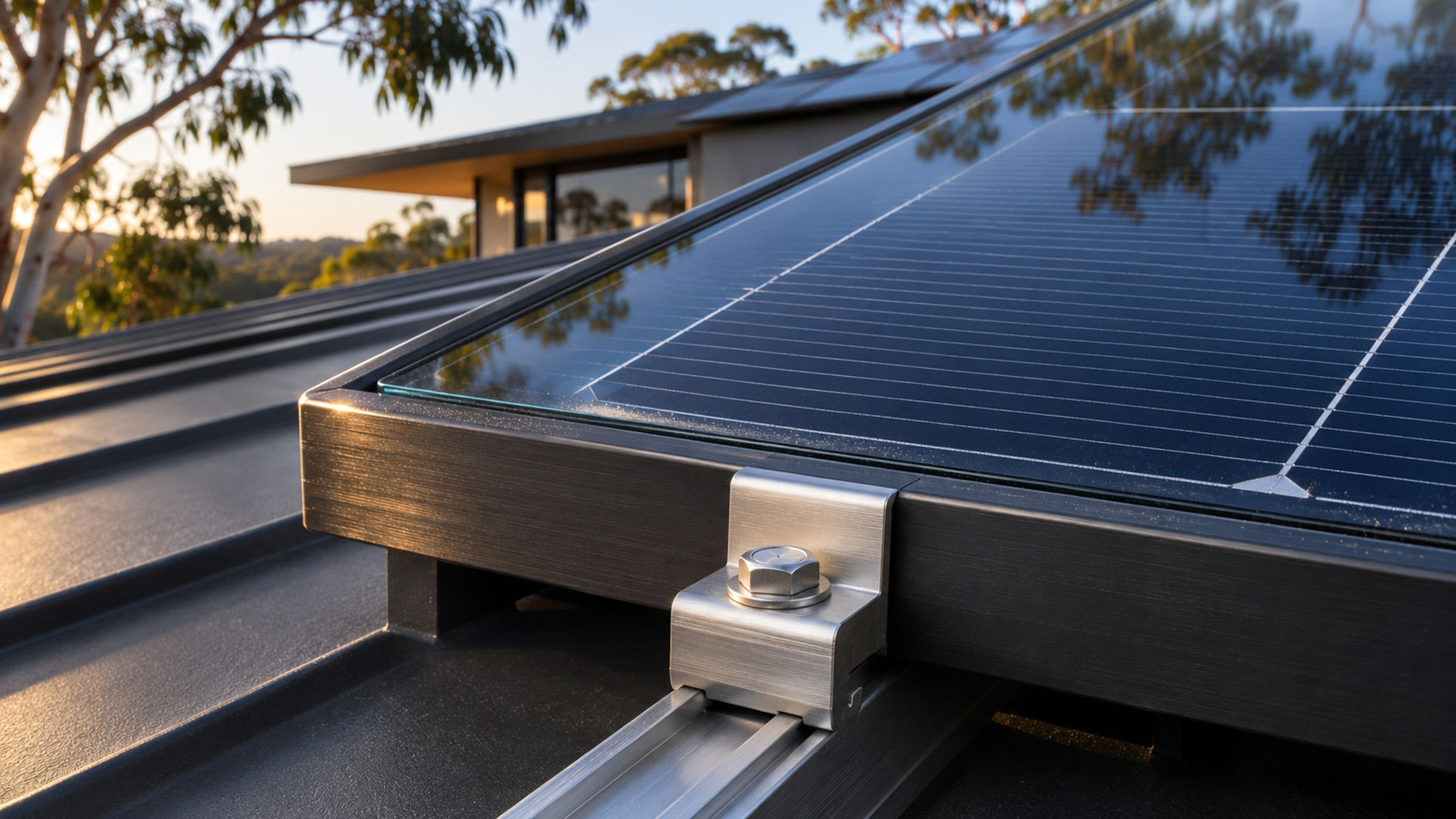
You have found the home of your dreams. The views are lovely, the kitchen is spot on and the roof is covered in solar panels. The good news is this: buying a luxury home with solar can save you money on your power bills for years. Here’s the catch, though. Solar gear gets old, and it can be expensive to fix a big system. We will show you what to look for before you sign!
The quick answer
Before you commit, get 5 things: the approval paperwork, the install date, every warranty, the battery’s records (if there is one) and written inspection from a qualified electrician. If the seller cannot produce them, take it as a red flag and negotiate.
Why does a luxury home with solar need extra checks?
Bigger homes tend to have bigger systems, and bigger systems cost more to repair or replace. Many luxury properties also throw on a battery on top. That’s a lot of gear to inherit. The upside is real, however. A sound system can add appeal and lower your bills. The trick is knowing what you are really buying into.
Your due diligence checklist
1. Ask for the paperwork
Western Australia’s Consumer Protection team tells buyers to get warranty papers and proof of proper approval from the seller. Here is what to request:
- The approval and electrical safety paperwork
- The install date and the business that did the work
- Brand and model details for the panels, inverter and battery
- Every warranty document
- Past power bills that show real use and exports
Also make sure the system is owned outright, not leased or under a long contract. A leased system can go with the house and the payments along with it.
2. Check the age and the warranties
Age is more important than most buyers realize. Panels last a long time, but the inverter (the box that turns solar power into household power) is usually the first thing to wear out. SolarQuotes says it doesn’t last as long as the panels do. This table will help you.
| Part | Typical warranty | What to ask |
|---|---|---|
| Panels | 10+ years on materials, 25 years on power output | Years left, and an Australian contact for the brand |
| Inverter | Five to 10 years | Age, fault history, extended cover |
| Installation | Varies | Is the business still trading? |
Solar Victoria says most panels carry a minimum 10-year product warranty and a 25-year power warranty. Inverter cover varies with the sources, so we have provided a range. If the original business is no longer in business, a local solar panel installer can identify the brand and tell you if support is still available. One phone call can prevent a lot of stress later.
3. Look closely at any battery
Home batteries are becoming more popular. The federal Cheaper Home Batteries Programme started on 1 July 2025 and early 2026 saw the Clean Energy Regulator report more than 284,000 installations. Rebate was tiered by battery size as of May 1, 2026. The regulator has also tightened safety checks on battery installs.
So ask when the battery was fitted, who fitted it and if the install records are available. Also ask about the usable capacity, as the size will drive the replacement cost. A new battery is a good thing, but only if it appears on the record.
4. Test the system, roof and switchboard
Paperwork only tells half the story. Ask an accredited solar installer to test the system on site and check for cracked panels, loose wiring and inverter faults. Also look at the roof. If it needs work soon, panels may have to come off first, so plan for that cost.
5. Check how it performs
Ask for the monitoring app history or at least 12 months of power bills. The average day generation of a 6.6 kW system is around 24 to 30 kWh depending on where you live and the season. Scale it up or down to the system that you are buying.
If the numbers look way lower. Look deeper. Dirty panels. Tired inverter. Shade. Could be anything. Ask the seller what power plan and export rate they are on. Different retailers have different plans, so check what you would get on your own account before banking on the same savings.
Red flags that should slow you down
- No paperwork, or a seller who cannot explain it
- Panels with cracks or discolouration
- An inverter showing fault lights
- An unfamiliar brand with no Australian support
- A battery with no clear install records
What repairs and upgrades could cost
Prices vary by brand, roof, and state, and sources disagree. Reasonable ranges post Federal Rebate. They are for new equipment, but they can give you an idea of what a replacement might cost.
| Item | Typical cost after rebate |
|---|---|
| 6.6 kW system | $5,000 to $8,000 |
| 10 kW system | $8,000 to $13,000 |
| 10 kWh battery | $5,500 to $9,500 |
| 13.5 kWh battery | About $10,000 to $11,500 |
Fit solar into your wider buying plan
Solar savings help, but they do not replace a solid budget. The Pinnacle List has handy tips to align your home buying decision with a monthly budget.
If you are browsing Australian homes such as the Merricks North House on the Mornington Peninsula or the Cassell Street Residence in South Yarra, run this checklist on every home you shortlist. You can also explore the latest luxury listings for sale.
Your next step before you sign
Print this checklist and bring it to your next inspection. Ask the tough questions upfront and keep your offer open until you get the answers. If you need assistance in reading a solar report on a Perth property, Solar 365 is one of the teams you can turn to. A little homework now equals a whole lot more sunshine and fewer surprises once the keys are yours.