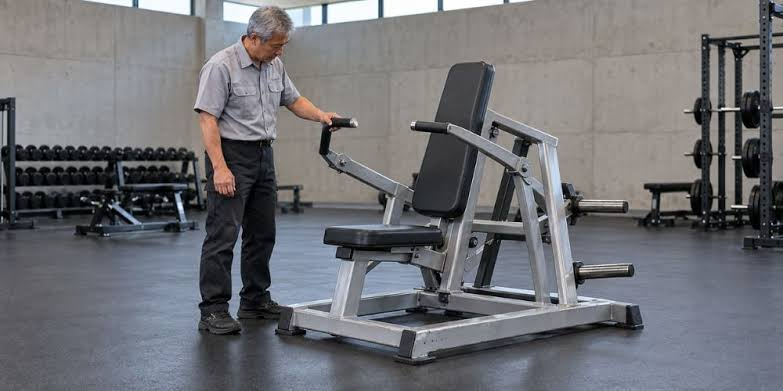
No one fixes a cracked tumbling mat for weeks. When someone sees the foam poking through a split seam during warm-up, they flag it. After that, you have to decide whether to fix it, throw it out, or replace the whole set.
The PE teacher makes this call all the time, often without an expert there to help. Choosing the right mat is important, since a torn mat or a loose part can hurt a kid.
Why a Quick Look Still Misses Wear
You can catch easy problems like frayed ropes and cracked cones that look fine from across the gym but still have sharp edges at ankle height with a quick daily check. It’s harder to spot hidden wear. Metal parts can loosen after months of use, and foam padding can lose its spring on the inside.
Companies that sell directly to schools, like PullBuoy, solve this problem. Its scooter boards for kids are made from heavier foam and reinforced hardware so wear shows up on the surface before it turns into a hidden safety issue.
Signs That Equipment Is Truly Worn
Worn means something specific, not just a general feeling that gear looks old. Most schools train staff to watch for a short list of clear signs.
- Foam that does not spring back after you press it, which means the inside padding has broken down even if the cover looks fine.
- Loose, rusted, or cracked hardware, including snaps, buckles, and bolts.
- Any hole in fabric or netting big enough to catch a finger or a piece of jewelry.
- Cracks in hard plastic parts like cones or scooter boards, which can leave sharp edges even when the part still works.
Why Fall Brings the Most Problems
Gear takes its hardest hit during the first few months back at school. Classes are full-sized again after a summer with lighter use, and a full class period puts more total weight and more total hands on each piece than any other stretch of the year.
Many PE teachers do their most careful check in September and October for exactly this reason, catching problems early instead of waiting for a spring inspection that comes too late for a fall semester already underway.
Budgets Decide When Replacement Happens
Gear rarely gets replaced the moment it wears out. Most schools work from a budget set months before the school year starts, so a teacher who flags worn gear in October is often really planning for a purchase that lands the following summer.
Writing the problem down early, with photos and dates instead of just telling a supervisor out loud, tends to help later if a budget request gets delayed or if anyone ever has to look back at an injury report. A district that tracks this pattern year over year often finds the same few equipment types wearing out first, which helps plan next year’s order before the old gear even fails.
Where the Gear Is Made Still Matters
Where gear is built matters almost as much as how often it gets checked. Gear made overseas in small, uneven batches can look and feel different from one box to the next, which makes it hard for a school to keep its gear matching across several buildings. PullBuoy builds its hover scooter boards, foam shapes, and adapted PE gear in the United States, which matters less for marketing and more for a simple question, will a replacement part bought this year actually match the set bought three years ago? Readers looking at upkeep topics on the home side can also check out other home and property upkeep features on the site.
Good Records Protect Everyone in the Gym
None of this replaces plain common sense on the gym floor. A teacher who sees a problem during warm-up should still pull that item right away, written record or not. What a clear check routine really does is turn a vague feeling that something looks off into one clear, dated note.
That note backs up a replacement request, protects staff if anyone ever reviews an incident, and keeps thirty kids moving safely through class without anyone thinking twice about the gear in their hands.