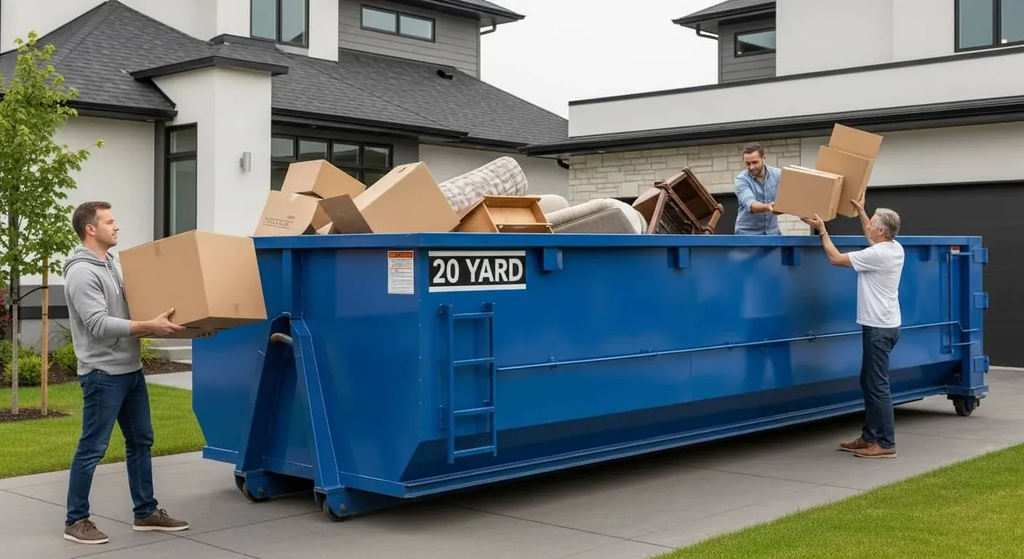
Clearing out a home after someone passes away is one of the hardest chores a family can face. Every drawer holds a memory, and every closet seems to hold three more. Add a probate deadline, a realtor waiting to list, and relatives in different states, and the job can feel too big to start.
A dumpster will not make the feelings any easier. What it can do is take the heavy lifting off your plate, so you can spend your energy on the things that matter. The same is true for landlords turning over a unit and investors cleaning up a foreclosure. A local hauler such as Trash Daddy Dumpsters can drop a container in the driveway and take it away when you are done. Here is how a roll-off fits into each kind of cleanout.
Start With the People, Then the Stuff
Before anyone carries a single box to the curb, it helps to get the family on the same page. Decide who has a say in what stays and what goes. If one person is the executor, make sure everyone knows that. Many families find it kinder to set aside a day or two for relatives to walk through the house and claim keepsakes before the real sorting begins.
Timing also matters for legal reasons. Probate rules differ from state to state, and in many cases the executor needs to be officially appointed before items are sold or thrown away. Talk with the estate attorney before you clear anything out. It is a short phone call that can prevent a long family argument later.
Give yourself grace, too. Some rooms will go fast. Others, like a sewing room or a workshop, may take a full afternoon of stories and tears. That is normal, and it is part of the work.
Sort Into Four Clear Piles
Once you have the green light, a simple system keeps things moving. Most estate cleanouts break down into four groups.
Keep
Family photos, letters, jewelry, important papers, and heirlooms go here. Check pockets, books, and old purses before anything leaves the house. People tuck cash and documents in the strangest places.
Donate or Sell
Furniture, kitchenware, clothing, and tools in good shape can often go to a local charity, a resale shop, or an estate sale company. Selling first can also offset some of the cleanout costs.
Hazardous and Special Items
Old paint, cleaners, pesticides, motor oil, propane tanks, and car batteries do not belong in a dumpster. The U.S. Environmental Protection Agency advises calling your local environmental, health, or solid waste agency to find a household hazardous waste collection program. Appliances like refrigerators, freezers, and air conditioners usually need special handling too, along with tires and some electronics. Check your dumpster company’s list of prohibited items before you load.
Toss
Broken furniture, stained carpet, worn-out mattresses, junk mail, and decades of “just in case” items go in the dumpster. This pile is usually the biggest one by far, which is exactly why a roll-off makes sense.
How a Dumpster Fits the Timeline
Fewer Trips, Steadier Pace
A whole-house cleanout can produce more debris than most people expect. Filling a pickup truck over and over means hours of loading, driving, waiting at the landfill, and paying fees each time. A roll-off sits in the driveway so you can toss as you sort. When it is full or the job is done, the hauler takes it away.
It also helps with pacing. Most rentals include a set number of days, often a week or two depending on the area. That gives a family room to work on weekends without racing the clock. It is easier to say goodbye to a cluttered garage when you can do it at a steady, human speed.
Matching the Cleanout to the Calendar
Estate cleanouts rarely happen in a vacuum. They tend to line up with three other timelines:
- The probate process, which may set when items can be removed or sold
- The realtor’s listing date, since buyers want to see empty, clean rooms
- Any estate sale, which should happen before the dumpster arrives
A good order of operations is to finish family claims first, hold the sale or donation pickup second, and bring in the dumpster for what is left. If the house needs repairs or new flooring before listing, you may want a second container later for that debris.
Landlord Turnovers and Foreclosures
Not every property cleanout comes with family history. Landlords often face units left full of furniture, bags of trash, and spoiled food after a tenant moves out. Investors and agents who take on foreclosed homes can walk into the same thing, sometimes after months of the house sitting empty.
These jobs move faster because there is less emotion involved, but they come with their own rules. Many states have laws about how long a landlord must store a former tenant’s belongings before getting rid of them. Check your local requirements and keep a written record of what you removed. Photos of each room before and after can help if questions come up later.
For turnovers, speed is money. Every day a unit sits empty is a day without rent. Having a dumpster dropped the morning you get the keys can cut a cleanout down to a day or two of work.
Picking the Right Size
Size depends on how much is in the house, not just how big the house is. A small, tidy apartment may only need a 10 or 15-yard container. A one-room or garage cleanout often fits in a 20-yard. A full family home with a packed basement and attic usually calls for a 30 or 40-yard dumpster.
When in doubt, many people size up. Running out of room halfway through means paying for a swap or a second container, which costs more than choosing the larger can at the start. Keep weight in mind, too. Old carpet, water-damaged furniture, and heavy wooden dressers can add up faster than you think.
Getting Help You Can Count On
When you are already handling paperwork, phone calls, and grief, the last thing you need is a hauler who will not pick up the phone. Look for a company with clear pricing, enough sizes to fit your home, and a real person who can help you choose. With Trash Daddy Dumpsters, a live person answers the phone and can talk through sizes and timing with you, which helps when you are juggling a closing date and relatives’ schedules.
An estate cleanout is never just about trash. It is about honoring a life, settling an estate fairly, and getting a home ready for its next chapter. With a plan, a little patience, and a dumpster in the driveway, you can get through it one room at a time.