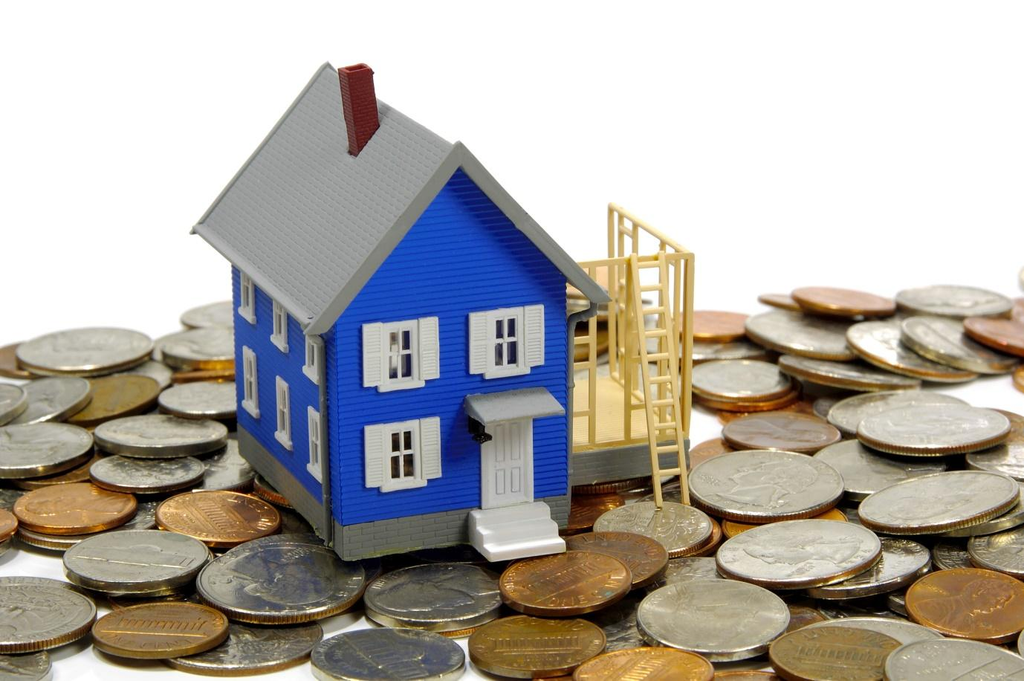
]Improving your home doesn’t always mean spending thousands of dollars on renovations. Sometimes, a fresh coat of paint, better lighting or a few thoughtful repairs can make a property feel more attractive and comfortable.
The challenge is knowing where to spend your money. Some improvements make everyday living easier, while others look impressive but offer little practical value. Homeowners who plan carefully can improve their property’s appearance without taking on unnecessary expenses.
Whether you’re preparing to sell or simply want a better living space, choosing the right projects can help you make the most of your budget.
Focus on Improvements That Make a Difference
Before planning a renovation, consider which parts of your home actually need attention.
A kitchen with damaged cabinets may benefit more from repairs and updated hardware than a complete remodel. Similarly, replacing worn flooring in a frequently used room could be more worthwhile than redesigning a space that’s already functional.
Think about how each improvement affects daily comfort, maintenance and overall appearance.
If resale value matters, research what buyers typically expect from properties in your neighborhood. Expensive upgrades don’t automatically translate into higher selling prices, especially when they exceed local market expectations.
Set a Budget Before Starting Any Renovation
Home improvement projects can become expensive when purchases are made without a clear spending limit.
Start by estimating the cost of materials, labor and any permits your project may require. Leave room for unexpected repairs, particularly when working on older properties.
If you’re not planning to renovate immediately, building a dedicated fund can make the expense easier to manage. Learning how to save money through everyday spending adjustments can help you gradually set aside funds for future improvements.
Reviewing subscriptions, reducing unnecessary purchases and planning household expenses are practical ways to save money each month.
A personal savings plan can also help you decide which renovations to complete first. Rather than tackling several projects simultaneously, concentrate on one improvement at a time.
Refresh Your Interior Without Major Construction
You don’t need to remove walls or replace every fixture to give your home a more polished appearance.
Repainting interior walls is often a relatively affordable way to update a room. Neutral shades can create a consistent appearance, while carefully chosen accent colors add character.
Replacing outdated cabinet handles, faucets or light fixtures can also refresh kitchens and bathrooms without extensive construction.
Furniture placement deserves attention too. Rearranging larger pieces can improve movement through a room and make better use of natural light.
The most effective updates usually complement the property’s existing architecture instead of trying to change its entire character.
Improve Curb Appeal With Simple Exterior Updates
First impressions matter, particularly when you’re preparing a property for sale.
A neglected front entrance or overgrown landscaping can make an otherwise attractive home appear poorly maintained.
Start with basic tasks such as trimming shrubs, cleaning walkways and removing weeds. If your front door looks worn, repainting it may improve the entrance without requiring a replacement.
Outdoor lighting can also make pathways more welcoming while improving visibility after dark.
Choose landscaping that suits your local climate and maintenance preferences. Plants requiring constant watering or expensive upkeep may create additional costs over time.
Consider Energy-Efficient Improvements
Some home upgrades can improve comfort while helping reduce ongoing utility expenses.
Sealing gaps around windows and exterior doors is a practical starting point. Air leaks can make heating and cooling systems work harder, particularly during extreme temperatures.
Energy-efficient lighting is another relatively simple improvement. Replacing frequently used bulbs with efficient alternatives may lower electricity consumption.
For larger investments, such as insulation or appliance replacement, compare installation costs with potential long-term savings.
Not every energy-efficient upgrade will pay for itself quickly. The value depends on your property’s condition, energy prices and how the equipment is used.
Know Which Projects You Can Handle Yourself
Doing some home improvements yourself can reduce labor expenses, but knowing your limits is important.
Painting walls, replacing simple cabinet hardware and completing basic landscaping are manageable projects for many homeowners.
However, electrical repairs, structural changes and complicated plumbing work generally require qualified professionals.
An incorrectly completed repair can create safety concerns and lead to additional expenses.
Before starting a DIY project, consider the tools you’ll need, the time involved and your experience. Hiring a professional may be more economical when a mistake could damage your property.
Compare Materials and Contractors Carefully
Choosing the first contractor or cheapest materials available isn’t always the best financial decision.
For substantial projects, request detailed estimates from several qualified contractors. Compare what’s included, expected completion dates and warranty information.
Material quality also matters. Durable flooring or weather-resistant exterior finishes may cost more initially but require fewer replacements.
Avoid rushing purchases simply because something is discounted.
A lower price offers little benefit when the material doesn’t suit your home’s conditions or needs frequent maintenance.
Prevent Expensive Repairs With Regular Maintenance
Property maintenance rarely feels as exciting as renovating a kitchen, but it plays an important role in protecting your home.
Small problems can become expensive when ignored. A minor roof leak may eventually damage ceilings, insulation or interior walls.
Inspect plumbing connections, drainage systems and exterior seals periodically. Keep gutters clear and arrange routine maintenance for heating and cooling equipment.
Addressing deterioration early can help prevent larger repairs and maintain the property’s condition.
Setting aside money for routine maintenance also reduces the likelihood of having to postpone other financial priorities when something breaks.
Make Every Home Improvement Count
Increasing your property’s value doesn’t require an unlimited renovation budget. Thoughtful repairs, attractive design updates and consistent maintenance can improve a home’s condition without excessive spending.
Before investing in any project, consider whether it improves comfort, solves an existing problem or makes the property more appealing.
The best improvements are those that fit your home’s needs and your financial situation. By planning purchases carefully and focusing on lasting quality, you can create a more comfortable living space while keeping renovation costs under control.