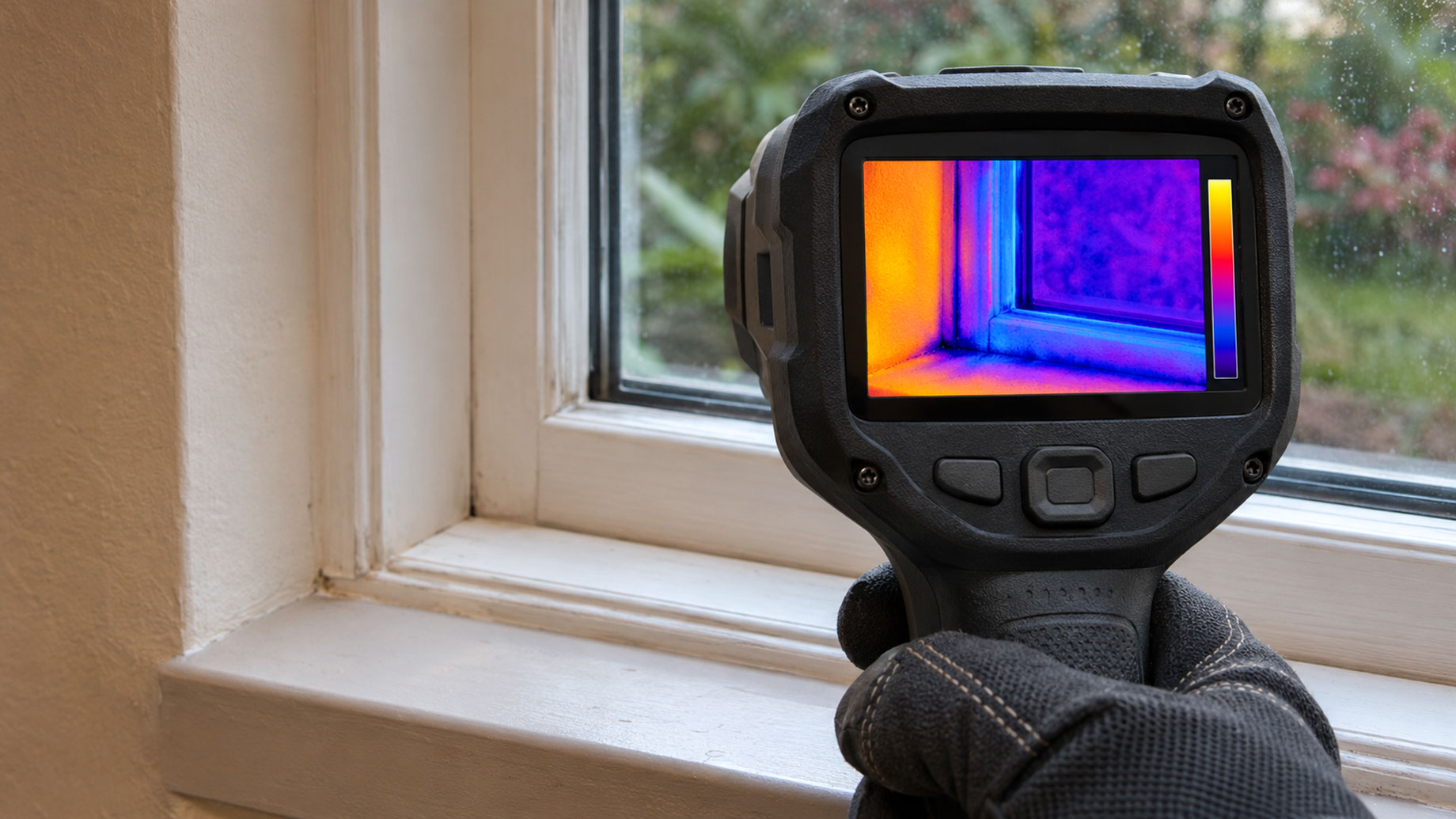
The heating system can require additional amounts of energy even if the performance appears fine. Dirtiness, poor insulation, incorrect settings, or old age can force the heater to spend more energy than it actually needs to do the job. Replacing the heating equipment is not always the solution to the problem. To figure out where the excess of energy goes, the homeowner needs to conduct a home efficiency audit.
Understanding how much energy the home consumes and what causes such consumption will help the homeowner solve problems with the comfort level and utility bills. Professionals in the field of heating and cooling, such as the heating and cooling specialists in Geelong, can help examine the current state of heating and cooling systems, assess their performance, and recommend the relevant improvements.
What Is a Home Heating Efficiency Audit?
A heating efficiency audit examines how well a heating system works and how efficiently it keeps homes warm. This takes into account equipment, airflow, insulation, temperature controls, and household energy consumption.
Compared to routine servicing, a heating efficiency audit covers much more ground. The purpose of an audit is to investigate the reasons why a heating system consumes excessive energy and fails to deliver satisfactory results.
It helps to distinguish between equipment, heat loss, and operating problems. This enables prioritizing the improvements that need to be done rather than spending money on measures that fail to tackle the root causes.
Warning Signs Your Heating System Is Using More Energy Than It Should
Some signs show that a heating system deserves more detailed inspection. However, there is no single sign to prove that the system consumes extra energy without additional investigation.
Common warning signs include:
- Increased heating bills without obvious changes in usage.
- Uneven heating or unheated rooms.
- Heating equipment working longer than usual.
- More frequent starting and stopping of the heating system.
- Unusual sounds or reduced airflow from the vents.
- Changes in indoor temperatures while the thermostat is set.
For instance, a room in your house may be cold due to the restriction of airflow, bad insulation, or window gaps. Also, an old heater may find it hard to provide enough warmth.
Finding the cause of the problem is more efficient than increasing the set temperature. An experienced professional can help you find out whether you need maintenance, adjustment of airflow, or improvement of your house.
Factors Checked by HVAC Experts in an Audit
An audit looks at a number of factors to figure out why your heating system might be consuming excess energy.
Condition and performance of the equipment
It involves looking at the filters, coils, vents, and other parts that technicians can access. The audit will check the performance of your equipment by assessing its efficiency ratings, airflow, operation cycle, and the responsiveness of the thermostat. Poor airflow or lack of maintenance affects equipment performance.
An important factor here is whether the equipment suits your heating and cooling needs. Misfitting equipment has difficulty maintaining comfortable temperatures.
Insulation and heat loss
Heat is lost from poorly insulated ceilings, walls, windows, doors, and other areas. If that is happening, your heating system has to work harder to achieve your desired temperature.
An audit pinpoints the source of such issues and determines whether your house requires draught sealing or improvements in insulation.
Thermostats and operating settings
The settings like the thermostat settings and operation schedule influence the amount of energy you use. Your HVAC technicians may look at the placement of the thermostat, zoning, and the way you operate your heating system.
How to Identify the Biggest Sources of Energy Waste
HVAC professionals evaluate the equipment and information related to the use of energy in the house. Going over bills and maintenance data, as well as heating trends, can give insight into the changes that should be investigated further.
In accordance with the Australian Government’s recommendations concerning energy efficiency, heating and cooling consume 20%-50% of total household energy usage. This is why the proper functioning of the heating system becomes one of the keys to minimizing energy costs.
Consider a house in which the heating system works for too long, and there is still cold in the living room. The inspection can uncover such problems as a clogged filter blocking airflow and the gaps around the door letting out warm air. In this situation, servicing the equipment and sealing suitable gaps can solve the problem.
Both actions target different causes. That is why the identification of the cause of energy wastes is the step that should be done prior to making changes.
What Improvements May Help in Reducing Energy Costs for Heating and Cooling?
Depends on audit results. Some problems may be solved via basic maintenance work, but others may need changes in your home or in your heating systems.
Efficiency improvements may include the following:
- Filter cleaning or replacement: Do it according to instructions of the manufacturer in order to ensure proper air flow.
- Sealing draughty spots: Repair gaps in doors and windows.
- Insulation improvement: Try to prevent excessive heat transfer through your building.
- Thermostat settings adjustment: Set proper temperature settings and schedules for using household equipment.
- Zoning consideration: Don’t heat or cool unused zones if your heating/cooling system allows zoning.
- Check the efficiency of your equipment: Compare the replacement options for your inefficient or inadequate equipment.
Reverse cycle air conditioning may be a good solution since it provides you with both heating and cooling. But the choice depends on the layout of your home, weather conditions, insulation, equipment size, and energy expenses.
For people weighing their choices, Heating and Cooling specialists in Geelong can offer guidance about which air conditioning, heating, and hot water systems would be the right fit for your needs.
The most effective way is to work through the list of the most beneficial improvements based on their effectiveness, costs, and suitability for the property. It does not mean that each house requires new installation, and savings will depend on tariffs, condition, and usage of the equipment.
How Often Do You Need to Assess the Efficiency of Your HVAC System?
Routine maintenance is the key to keeping your heating and cooling system in good shape. In addition, it might be beneficial to conduct the assessment in case of unexpected increases in energy costs, uncomfortable temperatures in rooms or unusual performance of the equipment.
There are also situations when equipment gets old, family needs and preferences change, or replacement of the system is required. In this case, there is no universal schedule of regular assessments.
Monitoring filters, energy bills, and maintenance needs can help to identify any possible problems in time, and a professional assessment will allow you to define the relevance of the improvement.
Make Efficiency the First Step
Expensive heating bills don’t necessarily mean that the heating system requires replacement. It may be affected by a number of other factors like the condition of the equipment itself, insulation, airflow, and operating practices. An efficiency assessment provides a systematic approach to diagnosing the problem and coming up with ways to resolve it.
