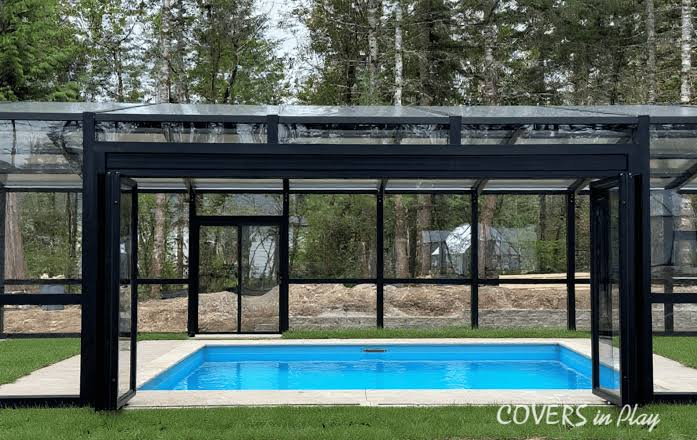
A pool cage can completely change the way you use and enjoy your backyard pool. For homeowners in warm, humid climates, a pool enclosure is one of the most practical additions you can make to your outdoor living space. It keeps leaves, insects, and debris out of the water, reduces cleaning time, and creates a more comfortable environment for swimming and lounging. Still, pool cage installation is a significant investment, and there are several important factors to understand before moving forward with a project.
This guide walks through everything homeowners should know about pool cage installation, including the benefits, the planning process, cost considerations, materials, maintenance, and common questions that come up along the way.
What Is a Pool Cage and Why Do Homeowners Install Them?
A pool cage, sometimes called a pool enclosure or screen enclosure, is a structure built around a swimming pool using an aluminum frame and screen mesh panels. The structure is designed to cover the pool area while still allowing airflow and natural light to pass through. Unlike a solid roof or patio cover, a pool cage uses fine mesh screening to keep out bugs, leaves, and other debris while maintaining an open, airy feel.
Homeowners choose to install pool cages for a variety of reasons. The most common motivation is reducing pool maintenance. Without a cage, pools in wooded or windy areas can accumulate leaves, twigs, and insects on a daily basis. A pool cage dramatically cuts down on this debris, which in turn reduces the time and money spent on cleaning, skimming, and filtration.
Pool cages also offer protection from pests. Mosquitoes, flies, and other insects are kept out of the enclosed space, making it more pleasant to relax poolside without constant swatting. For families with small children or pets, a pool cage can add an extra layer of safety by creating a defined barrier around the pool area, assuming the enclosure includes secure, self-latching doors.
Additionally, pool cages help moderate the pool environment. They can reduce direct sun exposure, which helps control water temperature and chemical evaporation, and they offer some protection from wind, rain, and falling debris during storms.
Key Factors to Consider Before Installing a Pool Cage
Before committing to pool cage installation, homeowners should think through several important factors that will affect the final outcome, cost, and long-term satisfaction with the structure.
The first consideration is local climate and weather patterns. In regions prone to hurricanes or severe storms, the structural engineering of the cage becomes especially important. Homeowners in these areas need enclosures built to withstand high wind loads, which often requires stronger aluminum framing, additional support beams, and screening rated for higher wind resistance.
Another factor is the size and shape of the existing pool and patio area. Pool cages are custom-built to match the dimensions and layout of each property, so an accurate measurement of the pool, deck, and surrounding landscape is essential. Homeowners should also think about how much additional covered space they want beyond the pool itself, such as room for lounge chairs, a dining area, or an outdoor kitchen.
Local permitting and building codes play a major role as well. Most municipalities require permits for pool cage installation, and the structure must meet specific codes related to height, wind load, and setback distances from property lines. Working with an experienced, licensed contractor helps ensure the project meets all local requirements from the start, avoiding costly delays or modifications later.
Homeowners should also think about how the pool cage will affect the overall aesthetic of their backyard. Enclosures come in different frame colors and styles, and choosing a design that complements the home’s architecture and landscaping can make a noticeable difference in curb appeal and resale value.
The Pool Cage Installation Process
Understanding the general installation process can help homeowners know what to expect and how to plan accordingly.
The process typically begins with a site assessment and consultation. A contractor will visit the property to measure the pool area, evaluate the existing deck or patio, and discuss design preferences. This is the stage where homeowners should raise questions about materials, screen types, door placement, and any special features they want included, such as a sliding door for pool access or extra height for taller structures.
Next comes the design and engineering phase. Based on the measurements and homeowner preferences, the contractor creates a custom design and engineering plan for the enclosure. This plan accounts for local building codes and wind load requirements, and it is typically submitted to the local building department for permit approval before construction begins.
Once permits are secured, the installation itself generally takes anywhere from a few days to a couple of weeks, depending on the size and complexity of the project. The process usually starts with setting the footers and anchoring points, followed by assembling the aluminum frame. After the frame is secured, the screen panels are installed into the frame, and doors and any additional features are added.
After installation, most contractors perform a final walkthrough with the homeowner to check the quality of the work, test the doors and locks, and address any remaining questions. It is a good idea for homeowners to inspect the screening closely for tears or gaps and confirm that drainage around the base of the structure is properly managed.
Cost Considerations for Pool Cage Installation
The cost of pool cage installation varies significantly based on several factors, including the size of the pool area, the height and design complexity of the structure, the materials used, and local labor rates. Larger enclosures, custom shapes, and higher roof pitches generally cost more due to the additional materials and engineering required.
The type of screen mesh selected also affects price. Standard fiberglass screening is typically the most affordable option, while heavier-duty, pet-resistant, or no-see-um mesh (designed to block very small insects) tends to cost more. Homeowners in hurricane-prone areas may also need reinforced screening or additional structural bracing, which adds to the overall investment.
It is worth obtaining multiple quotes from licensed, insured contractors who specialize in pool enclosures. When comparing estimates, homeowners should make sure each quote includes the same scope of work, including permitting, engineering, materials, and labor, so they are making an accurate comparison. While it can be tempting to choose the lowest bid, the quality of materials and craftsmanship has a direct impact on how well the structure holds up over time, particularly in areas with strong storms or intense sun exposure.
Materials and Design Options
Pool cages are most commonly constructed using aluminum framing due to its durability, resistance to rust, and relatively lightweight nature compared to other metals. Aluminum frames are available in a range of finishes and colors, allowing homeowners to match or complement their home’s exterior.
Screen mesh options vary based on the homeowner’s priorities. Standard screening provides good airflow and basic insect protection. Finer mesh, sometimes called no-see-um screening, blocks smaller pests such as gnats and no-see-ums but can slightly reduce airflow and visibility. Some homeowners opt for a combination approach, using finer mesh on lower panels and standard mesh on the roof for better airflow balance.
Roof style is another important design decision. Pool cages can be built with a flat roof, a single-sloped roof, or a more elaborate gable or hip roof design. Taller, more complex rooflines tend to offer a more open, spacious feel but typically come with a higher price tag due to additional structural requirements.
Homeowners should also consider door placement and style. Sliding screen doors are common for pool access points, while swinging doors may be used for secondary entrances. Self-closing and self-latching hardware is strongly recommended, and in many areas it is required by code, for added safety around the pool.
Maintenance and Long-Term Care
While one of the main benefits of a pool cage is reduced maintenance for the pool itself, the enclosure also requires some ongoing care to stay in good condition. Homeowners should periodically inspect the screen panels for tears, holes, or areas where the mesh has pulled away from the frame. Small tears can often be patched, but larger damage may require panel replacement.
Cleaning the aluminum frame and screening on a regular basis helps prevent the buildup of dirt, pollen, and mildew. A simple rinse with a garden hose, along with an occasional gentle scrub using mild soap and water, is usually sufficient. Pressure washing should be approached with caution, as high pressure can damage the screen mesh if not used correctly.
It is also important to check the structure after major storms. High winds can sometimes loosen screws, bend frame components, or create small tears in the screening. Catching these issues early and addressing them promptly helps extend the life of the enclosure and prevents more costly repairs down the road.
Gutters and drainage systems built into the pool cage should be checked periodically as well, since clogged drainage can lead to water pooling around the base of the structure.
Choosing the Right Contractor
Selecting an experienced, reputable contractor is one of the most important decisions in the pool cage installation process. Homeowners should look for contractors who are licensed and insured, have experience specifically with pool enclosures, and can provide references or examples of past projects.
Asking about warranties is also important. Many contractors offer warranties on both materials and workmanship, and understanding what is covered and for how long can help homeowners feel more confident in their investment.
It is also wise to ask potential contractors how they handle the permitting process. A contractor familiar with local building departments can often navigate permitting more efficiently, helping to avoid delays in the project timeline.
FAQ: Common Questions About Pool Cage Installation
How long does pool cage installation typically take?
Most residential pool cage installations take between a few days and two to three weeks, depending on the size and complexity of the enclosure, as well as permitting timelines.
Do I need a permit to install a pool cage?
In most areas, yes. Pool cages are considered structural additions and typically require a building permit, along with an engineered design that meets local wind load and safety codes.
Will a pool cage increase my home’s value?
A well-built, properly maintained pool cage can add value and appeal to a home, particularly in warmer climates where pool enclosures are common and desirable features for buyers.
How much does pool cage installation usually cost?
Costs vary widely depending on size, materials, roof style, and location. Common factors that influence price include:
- Size and shape of the pool and patio area
- Height and complexity of the roofline
- Type and quality of screen mesh
- Local labor rates and permitting fees
Can a pool cage withstand hurricanes or severe storms?
Pool cages built to meet local wind load codes, especially in hurricane-prone regions, are engineered to withstand significant wind pressure. However, no structure is entirely storm-proof, and homeowners in high-risk areas should discuss reinforced options with their contractor.
How often should the screening be replaced?
With proper maintenance, screening can last ten years or more, though this varies based on climate, sun exposure, and the quality of the mesh. Torn or damaged sections can often be patched or replaced individually rather than replacing the entire enclosure.
Can I add features like lighting or fans to a pool cage?
Yes, many homeowners choose to add ceiling fans, lighting fixtures, or even speakers to their pool cage for added comfort and functionality. These additions should be planned during the design phase to ensure proper wiring and structural support.
Final Thoughts
Installing a pool cage is a meaningful upgrade that can improve the comfort, cleanliness, and usability of a backyard pool for years to come. By understanding the planning process, cost factors, material options, and maintenance needs involved in pool cage installation, homeowners can make informed decisions and work confidently with contractors to create an outdoor space that fits their lifestyle. Taking the time to research local codes, compare contractor quotes, and choose quality materials will help ensure the finished enclosure holds up well and continues to provide value long after installation is complete.