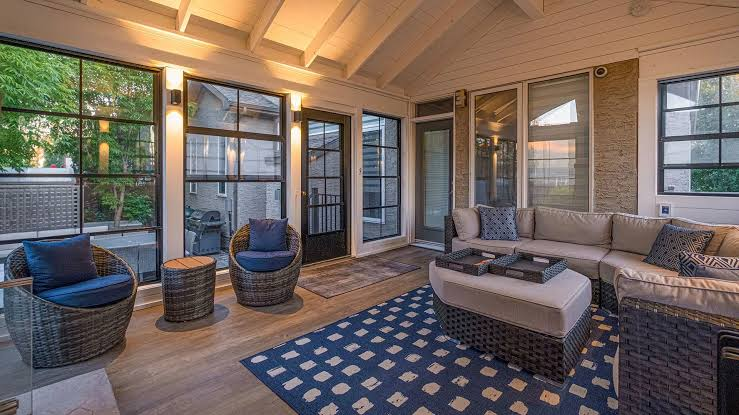
Colorado homeowners know a simple truth that people in milder climates rarely have to think about: the weather here does not compromise. One afternoon you are basking in 70 degree sunshine, and twelve hours later a cold front rolls off the Rockies and drops the temperature by 40 degrees. This kind of unpredictability is part of what makes Colorado beautiful, but it also makes outdoor living spaces frustrating. A patio or an open deck is only usable a few months out of the year, and even then, afternoon hailstorms or sudden snow squalls can end a good time outside in minutes.
This is exactly why four season sunrooms have become one of the most popular home improvement investments across the state, from Denver and Colorado Springs to Fort Collins and Grand Junction. Unlike a traditional three season porch, a four season sunroom is engineered to be fully insulated, properly heated and cooled, and built with glass and framing systems that can handle real temperature swings. It is not just a pretty glass box bolted onto the back of the house. It is a legitimate extension of your living space, usable in January as easily as July.
In this guide, we will walk through why a four season sunroom makes so much sense for Colorado’s climate, what sets a true four season design apart from cheaper alternatives, what it costs, and how to decide if this upgrade is right for your home.
Colorado’s Climate Demands a Smarter Kind of Sunroom
Colorado sits at a high elevation with low humidity, intense UV exposure, and dramatic daily temperature shifts. Denver alone can see a 30 to 40 degree swing between a summer morning and afternoon, and mountain towns like Breckenridge or Vail deal with snow loads that would be unheard of in most parts of the country. These conditions mean that a standard three season room, the kind with single pane glass and no real insulation, simply will not hold up.
A four season sunroom addresses these challenges directly. It typically includes:
- Double or triple pane, low E glass that blocks harmful UV rays while still letting in natural light
- Insulated walls, roof panels, and thermally broken aluminum or vinyl framing that prevent heat transfer
- A connection to your home’s HVAC system, or a dedicated mini split unit, so the space can be heated in winter and cooled in summer
- Engineered roof systems rated for Colorado’s snow load requirements, which vary significantly by county and elevation
Because the state’s building codes account for heavy snow and high wind in many areas, a properly permitted four season sunroom is built to standards that a basic screened porch kit from a big box store cannot meet. This is part of why hiring a contractor who understands local codes and climate conditions matters so much for this type of project.
More Usable Square Footage, Every Month of the Year
The single biggest argument for a four season sunroom is simple math. A three season porch gives you maybe five or six comfortable months a year, depending on your elevation and how exposed the space is. A four season sunroom gives you all twelve.
Think about what that means in practical terms. Instead of closing off a room from October through April, you have a space where you can watch a snowstorm roll over the Front Range while staying perfectly warm inside. You can host a holiday gathering with natural light instead of cramming everyone into the kitchen. You can keep houseplants, a home office setup, or a reading nook running year round without worrying about frost damage or summer heat making the space unbearable.
For families who work from home, this added flexibility is particularly valuable. A sunroom converted into a home office gives you natural light and a change of scenery from the rest of the house, something that has become increasingly important as remote and hybrid work arrangements have become permanent fixtures of daily life for many Colorado households.
A Strong Return on Investment
Home additions are expensive, and homeowners are right to ask whether a project will pay off. Sunrooms consistently rank among the home improvements that deliver a strong return, and in a competitive real estate market like Colorado’s, added livable square footage tends to be noticed by buyers.
A few reasons sunrooms perform well financially:
- They add genuine usable square footage rather than just cosmetic value, which appraisers and buyers both respond to
- They photograph beautifully for real estate listings, especially with Colorado’s mountain views or tree lined backyards visible through the glass
- They are less expensive per square foot than a traditional home addition with full exterior walls, siding, and roofing to match the existing structure
- Energy efficient glass and insulation reduce the ongoing utility costs compared to older sunroom designs, which matters to cost conscious buyers
While exact resale figures vary by neighborhood and market conditions, a well built four season sunroom is widely viewed as one of the more reliable ways to add value without the cost of a full scale home addition.
Energy Efficiency That Actually Works in Colorado
One of the most common misconceptions about sunrooms is that they are inherently drafty or expensive to heat. That reputation comes from older three season designs, not from a modern four season build. Today’s insulated glass units, combined with properly sealed framing and continuous insulation in the walls and roof, mean a four season sunroom can perform close to the rest of your home in terms of energy efficiency.
In Colorado specifically, low E coated glass is especially valuable because it reflects infrared heat while still allowing visible light through. This keeps the space from turning into a greenhouse during intense summer sun exposure, something that is a real risk given the state’s high altitude and correspondingly stronger UV radiation. At the same time, the insulated framing and glazing hold heat in during cold months, so your heating system is not working overtime to keep the room comfortable.
Many homeowners pair their sunroom with a ductless mini split system, which allows independent temperature control without taxing the main HVAC system. This is often more cost effective than extending ductwork from the existing furnace, particularly for additions on the back or side of the house.
Built to Handle Colorado’s Weather Extremes
A four season sunroom in Colorado needs to be engineered for conditions that would be irrelevant in a place like Florida or coastal California. Three factors stand out.
Snow load is the first. Depending on elevation and county, roof structures need to support significant accumulated snow weight without sagging or failing. This is not optional, it is a code requirement, and it is one of the clearest signs of whether a sunroom builder understands the region or is simply applying a generic national template to a local project.
Hail resistance is the second. Colorado’s Front Range sees some of the most hail prone weather in the country, with certain corridors nicknamed “hail alley” due to the frequency of severe storms. Impact rated glass and durable roofing materials matter enormously here, both for safety and for avoiding expensive repairs after a single bad storm.
Thermal cycling is the third, and it is less obvious but just as important. When a structure repeatedly heats up in direct sun and then cools rapidly as temperatures drop at night, materials expand and contract. Over time, cheaper framing and sealant systems can crack or fail under this stress. Quality four season sunrooms use materials and construction techniques designed to withstand this cycling without degrading.
Design Flexibility for Every Kind of Home
Another reason four season sunrooms have become so popular is how adaptable they are to different home styles and family needs. Some popular configurations include:
A sunroom built as a casual family gathering space, often attached off the kitchen or living room, used for morning coffee, game nights, or simply a brighter alternative to a traditional living room.
A home office sunroom, which has grown significantly in popularity, offering a quiet and naturally lit workspace that feels separate from the rest of the house without requiring a full detached structure.
A plant filled sunroom, sometimes closer to a small greenhouse in function, that allows Colorado gardeners to extend their growing season well beyond what the outdoor climate would normally allow.
An entertainment or hobby room, used for everything from a home gym to a craft studio to a dedicated space for hosting friends regardless of the weather outside.
Because four season sunrooms can be customized with different roof styles, glass configurations, and flooring options, they tend to blend naturally with the existing architecture of the home rather than looking like an obvious add on.
What Affects the Cost of a Four Season Sunroom in Colorado
Pricing for a four season sunroom varies widely based on size, materials, foundation work, and the complexity of integrating heating and cooling. Generally speaking, costs are influenced by:
The size and footprint of the room, since larger spans require more structural support and larger glass panels.
The type of glazing selected, with triple pane and specialty coated glass costing more than standard double pane options but offering better performance in Colorado’s climate.
Foundation and site work, particularly if the lot has a slope or if existing patio concrete needs to be removed and replaced to support the new structure.
HVAC integration, whether that means extending existing ductwork, installing a mini split system, or adding electric baseboard heating.
Permitting and engineering fees, which can vary significantly between counties and municipalities across Colorado given differing snow load and structural requirements.
Getting a detailed, itemized quote from a local contractor is the only reliable way to understand true costs for a specific property, since generic national average figures rarely reflect Colorado’s unique code requirements and material needs.
Choosing the Right Contractor for a Colorado Sunroom
Not every contractor who builds sunrooms understands what it takes to build one that performs well in Colorado’s climate. When evaluating a builder, homeowners should look for a few key indicators.
Experience with local permitting and snow load engineering is essential, since this is where generic sunroom kits tend to fail. A contractor should be able to explain how the roof system is rated for your specific elevation and county.
A track record of projects in similar Colorado climates matters more than national certifications alone. Ask to see completed four season sunroom projects in your area, ideally ones that have been through at least one full winter.
Clear communication about glass and insulation specifications is a good sign of a contractor who understands the technical side of the build, rather than one who is simply installing a prefabricated kit without adjusting it for the local climate.
Warranty coverage on both materials and labor gives homeowners protection against the kind of thermal cycling and weather stress unique to this region.
Taking the time to vet a contractor properly before signing a contract is one of the most important steps in making sure a four season sunroom performs the way it is supposed to for decades, not just for the first winter.
Frequently Asked Questions
Can a four season sunroom really stay comfortable during a Colorado winter?
Yes, as long as it is built with insulated glass, properly insulated walls and roof panels, and a dedicated heating source such as a mini split system or extended ductwork. A true four season design is engineered specifically for this, unlike a basic three season porch.
Do I need a special permit to build a sunroom in Colorado?
In most cases, yes. Requirements vary by county and municipality, and many areas have specific snow load and structural standards that must be met. A reputable local contractor will handle the permitting process and ensure the design meets code.
How is a four season sunroom different from a three season porch?
A three season porch typically has single pane glass and little to no insulation, making it unusable in extreme heat or cold. A four season sunroom includes insulated glazing, insulated framing, and climate control, allowing it to function as true living space all year long.
Will a sunroom addition increase my home’s resale value?
Generally, yes. Added usable square footage, especially a well built, energy efficient sunroom, tends to be viewed favorably by buyers and appraisers in Colorado’s housing market, though exact returns depend on the neighborhood and overall home condition.
How long does it take to build a four season sunroom?
Timelines vary based on size, site conditions, and permitting speed in your county, but most projects take anywhere from a few weeks to a couple of months from groundbreaking to completion.
Can an existing deck or patio be converted into a four season sunroom?
Often, yes, though it depends on whether the existing foundation can support the added structural load. A contractor will need to evaluate the current slab or deck before confirming whether it can be used as is or needs reinforcement.
Final Thoughts
Colorado’s climate is part of what makes living here so appealing, but it also demands smarter solutions for outdoor living. A four season sunroom offers a rare combination of added square footage, strong return on investment, and genuine year round usability, something few other home improvements can claim. Whether the goal is a brighter home office, a cozy family gathering space, or simply more room to enjoy the view without worrying about the next hailstorm or snow squall, a properly engineered four season sunroom stands out as one of the smartest additions a Colorado homeowner can make.