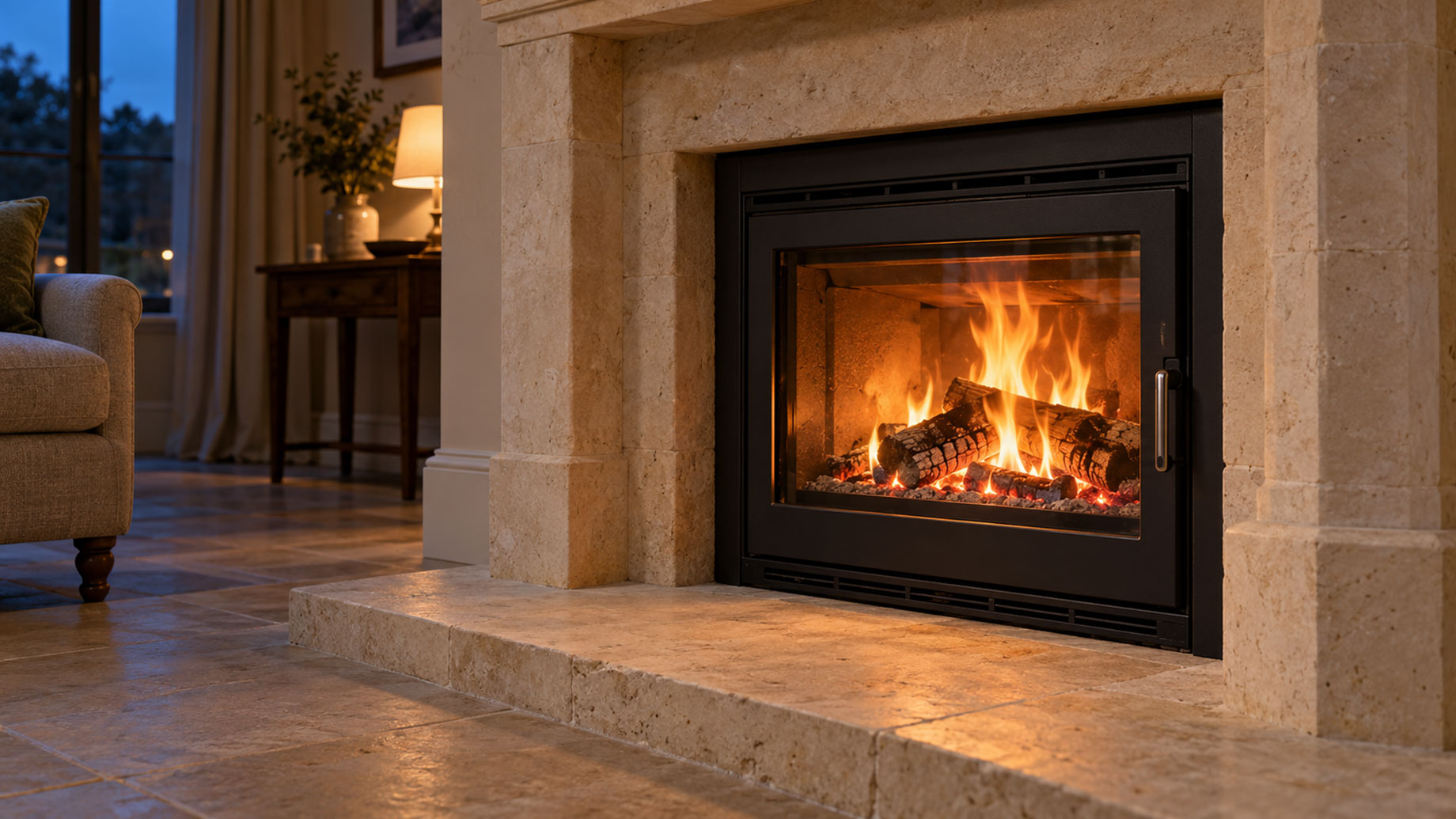
Some evenings, the nicest thing about a living room is not the television or the furniture. It is the sight of a fire flickering behind glass while everyone settles in after a long day. That small detail can make an ordinary room feel inviting before the stove warms it. Homeowners researching insert stoves Ireland often start with heating efficiency, which matters, but the view of the flames deserves attention too. A wide window, a well-positioned fireplace, and a surround that complements the room can change how the whole space feels. Choosing thoughtfully means considering what the stove looks like both when a fire is burning and when it is not.
The Fireplace as a Natural Gathering Point
A visible flame draws the eye almost without effort. It gives people something pleasant to look towards while they talk, read, or relax with a cup of tea. That does not mean the fireplace needs to dominate every design decision. In fact, the most comfortable rooms usually allow it to share attention with windows, artwork, and everyday furniture.
Think about the room during a typical evening. Are most people seated opposite the fireplace, or is the sofa positioned at an angle? A stove beyond the seating area may not deliver the effect you expected. Planning around actual sightlines can make a surprisingly big difference. In an open-plan room, think about the view from the dining table as well. A fire that can be enjoyed from more than one spot often feels like a feature shared by the whole household.
Glass Size Changes the Experience
Large viewing windows are appealing because they reveal more of the changing flame pattern. On contemporary models, a simple frame around broad glass can almost resemble a moving picture. Smaller windows, particularly on more traditionally styled appliances, offer a different kind of charm, with the flame appearing framed and contained.
Bigger is not automatically better. The fireplace opening and room size should guide the choice. An oversized glass front may look out of place in a modest cottage sitting room, while a tiny viewing area can get lost in an expansive modern surround. Balance matters more than a showroom photograph. It is worth seeing the appliance when it is switched off, too. The frame and glass remain visible during warmer months, when the fireplace is still part of the room’s design.
Traditional Details or Clean Contemporary Lines?
Cast-iron textures, decorative edges, and deeper frames can sit beautifully alongside older fireplaces and period features. A stove with those details may feel as though it belongs beside timber beams, patterned rugs, and a familiar mantelpiece. It brings visual weight without demanding a complete renovation.
A streamlined design works differently. Slim borders and uncluttered surfaces often complement modern cabinetry, pale walls, and open-plan layouts. Still, homes are rarely limited to a single style. A contemporary stove can offer a refreshing contrast inside a traditional fireplace, provided the dimensions and materials work together rather than fighting for attention.
Position and Surround Make a Difference
The surround is the setting for everything happening behind the glass. Natural stone can add texture, while a simple, suitably specified finish might give the fire a crisp architectural outline. Even the colour behind and around the appliance influences how noticeable the flames appear, particularly after sunset.
Position deserves just as much care. A stove set too deep within an opening can be harder to see from certain seats. One installed in an unsuitable opening can also create practical or safety problems. A qualified installer should assess the fireplace and flue arrangement, including the manufacturer’s required clearances, rather than trying to force a preferred look into an incompatible space.
Flame Quality Depends on Everyday Habits
A lovely glass window does not guarantee a lovely view every night. Damp or unsuitable fuel, poor airflow, and incorrect operation can lead to smoky combustion and soot on the glass of a wood-burning model. The flame then becomes harder to appreciate, and the appliance may not perform as intended.
Use only approved fuels for the particular stove, follow its operating instructions, and keep up with recommended cleaning and servicing. A properly maintained flue and adequate combustion air are essential safety considerations, not just ways to improve the view. When the appliance burns as designed, its appearance and heating performance are better able to work together.
Warmth Should Feel Comfortable, Not Overwhelming
A stove can look perfectly proportioned but produce more heat than a small room comfortably needs. Conversely, an attractive compact unit might struggle to provide the warmth expected in a larger, poorly insulated space. Selecting output should therefore involve more than matching a stove’s width to the fireplace.
Consider insulation, room volume, the layout of adjoining spaces, and how the existing heating system is used. An experienced supplier or installer can help assess an appropriate heat output. That advice may prevent the disappointment of a beautiful focal point that leaves everyone opening windows or searching for another heater.
Design Around Real Living
It is worth picturing more than the ideal winter evening. What happens when children play near the hearth, guests move between seats, or someone brings in firewood? The hearth and nearby furnishings should allow safe movement, with suitable non-combustible materials and clearances as required for the specific installation.
Practical details also affect the atmosphere. A fireplace that is difficult to clean or awkward to operate soon becomes less appealing. Accessible controls, straightforward maintenance, and sensible fuel storage all help make the feature feel like a comfortable part of the household rather than another chore demanding attention.
Choose With Confidence
Before deciding, visit a showroom where possible and view several appliances while operating. Look from different angles, notice the relationship between glass and frame, and ask how each model should be installed and maintained. Photographs reveal style, but seeing a flame through the actual viewing window offers a better sense of the experience.
Have a competent professional check the existing fireplace, chimney or flue, ventilation requirements, and any applicable installation rules. Then compare the full cost, including fitting and necessary alterations, not merely the price of the appliance. The right stove will do more than warm a room. It will sit comfortably among the things you already love, bringing a welcoming glow to ordinary evenings for years to come. A little patience during selection can make everyday comfort feel effortless once installation is complete.
