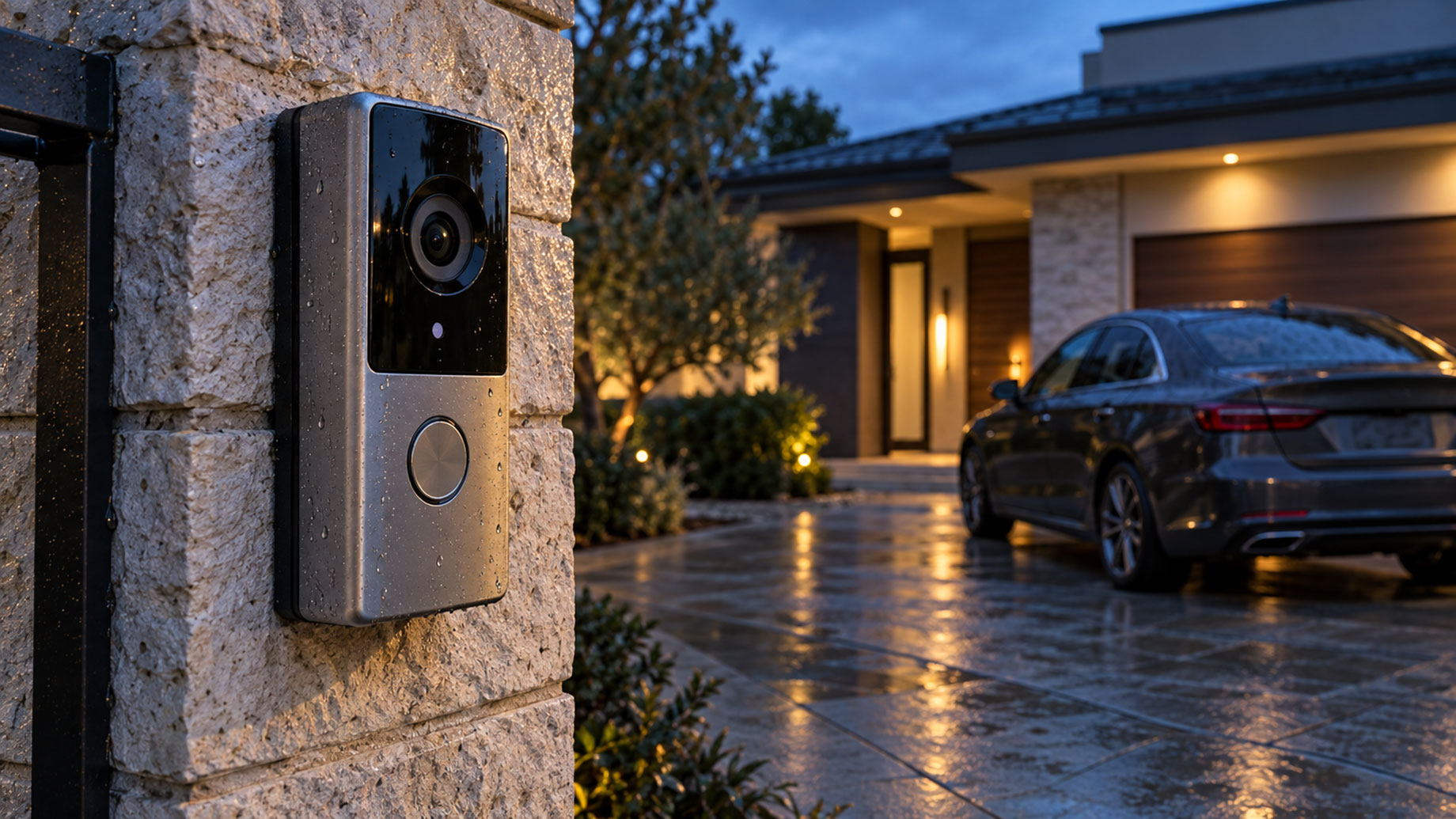
A DUI case no longer starts when the cruiser lights come on. It starts the moment a doorbell camera picks up an engine, or a connected car pings the cloud with a location, a speed, and a hard brake. The driveway is wired now, the vehicle is a witness, and both sides of the courtroom have learned to ask for the footage before they ask the driver anything. That shift is reshaping what a defense looks like from the first hour.
Whether the data exists isn’t the interesting question. It does. The real question is which record wins when the camera on the porch and the computer under the hood tell different stories, and how a homeowner should think about that before the knock at the door.
The Porch Camera and the Car Computer Are Not the Same Witness
A smart doorbell captures what a neighbor would see: a person walking unevenly, a door left open, a bottle in one hand, keys in the other. It’s human evidence, and it plays to a jury the way a bystander’s testimony would. It’s also selective. The camera sees the ten seconds before the motion sensor triggered and the thirty seconds after, and nothing in between.
The car sees something different. Modern vehicles log ignition events, gear changes, throttle position, seatbelt status, and often precise location, and much of it flows to a manufacturer’s cloud within minutes. That record is machine-neutral. It has no facial expression and no tone of voice, and it will contradict a driver or an officer with the same indifference.
Working with an experienced OVI defense attorney early enough to preserve those records is usually what determines whether they still exist by the time trial arrives.
One Says the Car Moved. The Other Says It Never Left the Driveway
The friction between the two records is where most driveway cases now live. A porch camera can show a driver climbing in, closing the door, and sitting there for twenty minutes with the interior lights on. The car’s own data can confirm the engine ran, the transmission never left park, and the GPS coordinates never changed.
In some jurisdictions, that combination is a defense. In others, it’s the charge itself.
Most states let prosecutors pursue a case under what the law calls actual physical control, which doesn’t require the vehicle to move at all. A few require actual motion. The camera and the car data become powerful in opposite directions depending on which rule applies, and a homeowner rarely knows the answer until a lawyer looks it up for their address.
Prosecutors Love the Timeline. Defense Lawyers Love the Contradictions
Prosecutors are drawn to connected-home and connected-car data for one reason above all: the timeline. A camera timestamp late in the evening, an ignition event two minutes later, a geofence departure shortly after that, and a 911 call twenty minutes on stitch together into a narrative no eyewitness can offer. Jurors respond to that clarity, and judges tend to admit the underlying records once a witness from the platform authenticates them.
Defense lawyers value the same records precisely because they’re boring and specific. If the car’s own log shows steady throttle and a legal speed for the two miles before the stop, the officer’s subjective description has to answer to a machine that wasn’t nervous, wasn’t tired, and wasn’t looking for a reason to pull anyone over.
The Data Disappears Faster Than the Case Moves
Home camera footage and vehicle telematics share one uncomfortable trait: both are on retention clocks the owner doesn’t control. Cloud video from a doorbell platform may cycle out in as little as a few days on a free tier, and manufacturer telematics logs are often overwritten on rolling windows measured in weeks. A preservation letter to the platform, sent early, is usually the only thing that keeps the record alive long enough to argue about.
Two practical moves matter in the first week:
- Preserve before you request. Ask the camera platform and the vehicle manufacturer in writing to preserve all data associated with the account for a defined window around the incident. A preservation request doesn’t hand anything to the other side; it just stops the automatic deletion.
- Pull the account exports yourself. Most doorbell apps and connected-car apps let the account holder download their own history. Do that early, save it in two places, and don’t edit the files.
The Federal Push Is About to Make This Universal
In-vehicle impairment detection won’t be a niche feature much longer. A federal advance notice of proposed rulemaking has laid the groundwork for new passenger vehicles to carry technology capable of detecting alcohol impairment as standard equipment. Whatever the final rule looks like, the direction is set: the car itself will be generating impairment-relevant data before anyone touches a breath tube.
That changes the driveway question in a real way. A homeowner who sits behind the wheel to warm the car up used to face a fact dispute about intent. Soon, the vehicle may log its own conclusion about the driver’s state, alongside the porch camera’s video of them getting in. Both records will exist, both will be preserved somewhere, and the case will turn on who asks for them first and how carefully they’re read.
