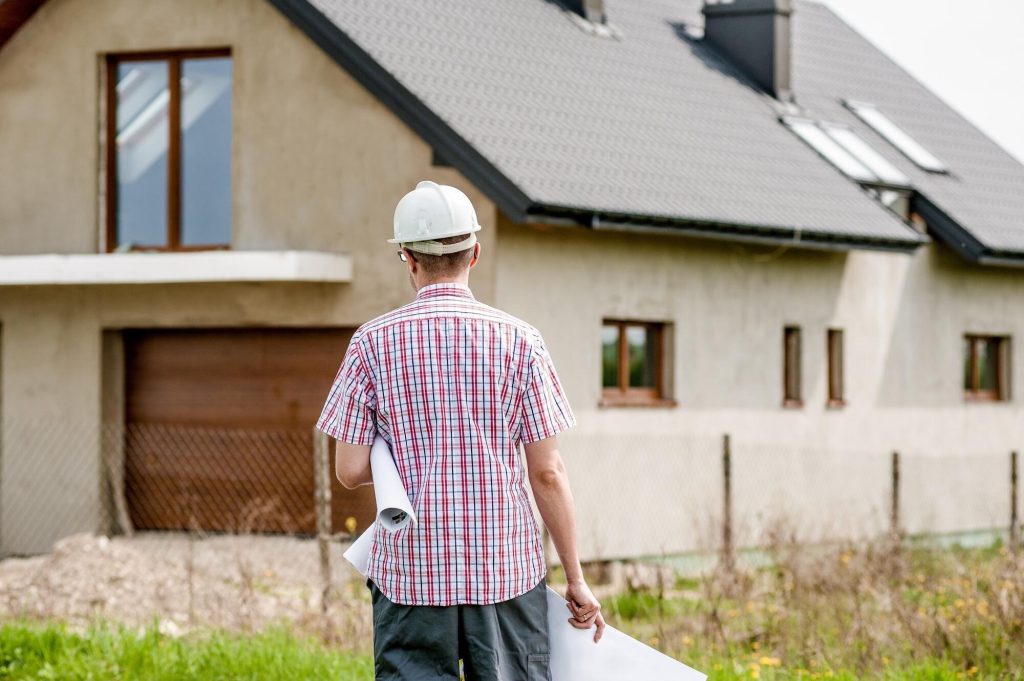
Dreaming of building a custom home but unsure where to start? Choosing the right contractor is one of the most important steps. The process can feel overwhelming, especially with so many builders to consider.
A good contractor can make your dream home a reality, while a poor choice can cause stress and delays. Knowing what to look for helps you avoid costly mistakes.
This guide breaks down the process into simple steps. By the end, you will feel confident about picking the best team for your project. Keep on reading!
Understand Your Needs and Budget
Before searching for a contractor, take time to define what you need. Think about the size, style, and features you want in your custom home. Set a clear budget that covers building costs, extras, and a small emergency fund.
Knowing your limits helps you choose the right builder. Some contractors specialize in certain home styles or budgets.
Share your ideas and finances with builders early to see if they are a good fit. This step saves time and avoids misunderstandings. A clear plan makes the process smoother for everyone.
Research Local Builders
Start by making a list of local contractors with custom-home experience. Look at online reviews and ratings to see what past clients say. Ask friends or neighbors for recommendations if they have built homes recently.
Visit builders’ websites and social media pages to view their work. Check for awards or professional memberships as signs of quality.
Compare several builders instead of picking the first one you find. Make sure each builder works in your area and can meet your schedule. This step helps you find builders worth contacting for your project.
Check Credentials and Experience
Always check if your contractor has the right licenses for your area. A licensed builder follows local rules and safety codes. Ask how many years they have been building custom homes.
Experience matters, especially for complex projects. Request to see proof of insurance, including liability and workers’ compensation. Insurance protects you from unexpected problems or accidents.
Ask for references from recent projects and speak with those homeowners. Find out if the builder has handled projects like yours before.
Review Portfolios and Past Work
Ask each builder to show you their portfolio of completed homes. Photos and walk-through videos give you a sense of their style and quality. If possible, visit finished homes to see the workmanship up close.
Talk to previous clients about their experience with the builder and the final result. Look for consistent quality and attention to detail across projects. Ask how the builder handled changes or challenges during construction.
Real examples help you judge whether their work matches your vision. Trust builders who are proud of their completed projects.
Ask Key Questions During Interviews
Prepare a list of questions before meeting potential contractors. Ask about their building process and how they handle changes during the project. Find out who will manage your build and how often you’ll get updates.
Ask about their timeline from start to finish and possible delays. Inquire about their main suppliers and subcontractors for your project. Discuss how they handle disagreements or issues with clients.
Ask what steps they take to keep the worksite safe and clean. These questions help you decide if the builder communicates well and values customer service.
Compare Bids and Contracts Carefully
After meeting with builders, ask each one for a detailed written bid. Make sure the bids include all costs, materials, and estimated timelines. Review each bid for hidden fees or unclear terms that could cause problems later.
Do not just pick the lowest price; consider value and what is included. A clear and complete contract protects you and the builder. Read every part of the contract before signing, and ask about anything you do not understand.
Put changes or extras in writing in the contract to avoid confusion. Take your time to compare before making a final choice.
Visit Current Job Sites
Visit homes that the builder is currently working on to see their process. Look for clean and safe work areas, which show care and professionalism. Notice how the team works together and whether the site is well organized.
Ask workers or supervisors about their experience with the company. See if the builder uses quality materials and follows safety rules. A good builder is open about their work and happy to show active projects.
Visiting job sites helps you spot any red flags early. This step gives you real insight into the builder’s daily operations.
Check Communication and Trust
Strong communication is key to a smooth building process. Choose a contractor who answers questions clearly and quickly. They should listen to your ideas and explain next steps in simple terms.
Trust your instincts during meetings and phone calls; if a builder seems rushed or avoids questions, that may be a warning sign. Good builders value your input and want you to feel comfortable.
For example, choosing a DSLD Homes new home builder means working with a team that values honest updates throughout the project. Trust and open talks help prevent problems before they start. Pick a builder you feel confident working with from start to finish.
Watch for Red Flags
Some warning signs mean you should be careful before hiring a builder. Be wary of contractors who ask for large upfront payments or cash. Avoid builders who cannot show proof of insurance or licenses.
Watch out for vague contracts or bids without clear details. If past clients complain about delays or poor work, take note. Poor communication and unreturned calls are also bad signs.
Trustworthy builders are honest and open about their process. Take time to check all details before signing any agreements. Protect yourself by spotting trouble early.
Your Roadmap to the Perfect Custom Home Contractor
Finding the right builder for your custom home takes time and care. Each step, from early research to checking references, helps avoid costly mistakes.
Clear communication builds trust and prevents misunderstandings during the build. Comparing bids and contracts ensures you get good value and clear terms.
Visiting job sites shows how a builder works day to day. Trust your instincts and watch for warning signs throughout the process. The right contractor turns your dream home into reality.
For more helpful tips, browse our blog regularly!