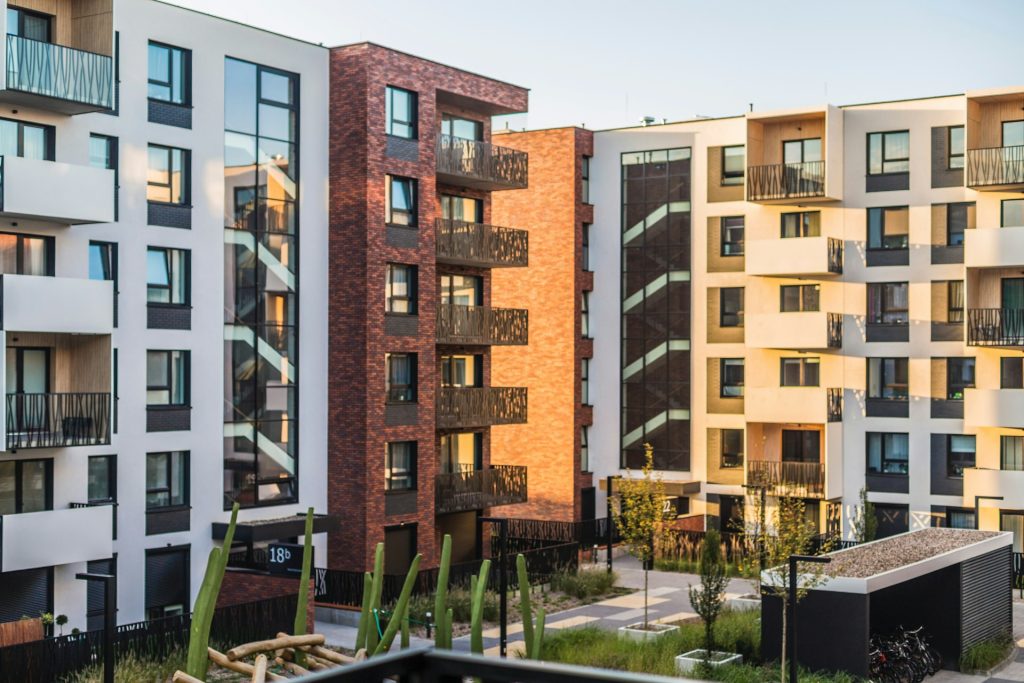
Pune has steadily developed into a residential destination for professionals, entrepreneurs, students, investors, and families. Its economic base includes technology, manufacturing, engineering, education, healthcare, and research. This variety brings people to the city at different career and family stages.
As Pune expands, apartments in Pune continue to attract buyers seeking employment access, community living, and long-term value. The city offers established neighbourhoods alongside emerging corridors with growing social infrastructure.
Buyers can therefore select homes across different budgets, locations, and lifestyle requirements. Let us examine why Pune continues to stay ahead of many residential destinations.
Why Does Pune Maintain Consistent Housing Demand?
Pune’s residential performance rests on a broad demand base rather than one buyer category.
- Diverse Employment Opportunities
Pune supports major technology, automotive, manufacturing, engineering, and service industries. These sectors attract professionals with varied incomes, career paths, and housing needs.
Employment centres around Kharadi, Hinjawadi, Hadapsar, and Pimpri-Chinchwad support residential demand across multiple corridors. Buyers can choose locations based on workplace access and family priorities.
This economic diversity helps apartments in Pune appeal to first-time buyers, established professionals, and investors. It also supports housing demand through different business cycles.
- A Strong End-user Market
Many buyers in Pune purchase homes for their own long-term use. They assess daily travel, schools, healthcare, shopping, recreation, and community facilities before choosing a property.
The availability of different configurations further strengthens this appeal. Apartments in Pune can serve young professionals, couples, growing families, and multi-generational households.
- Education and Rental Demand
Pune’s universities, colleges, and professional institutions bring students and academics from across India.
This movement creates rental demand near educational institutions, technology parks, and business areas. Investors can consider local tenant profiles, connectivity, maintenance expenses, and nearby conveniences.
A healthy rental market increases the usefulness of apartments in Pune for buyers seeking flexibility. It can also support investors planning to hold property over longer periods.
How do Growing Residential Corridors Support Performance?
Pune’s expansion has created new neighbourhoods around employment areas and developing infrastructure. These corridors give buyers more apartments in Pune beyond established central locations.
- Residential Growth
Places like Upper Kharadi reflect how developing areas can combine workplace access with modern community planning. Its proximity to employment zones makes it relevant for professionals seeking practical daily travel.
Residential communities in the area increasingly include thoughtful layouts, landscaped spaces, wellness zones, and family facilities. These features match the expectations of modern urban households.
As social infrastructure develops around such locations, apartments in Pune gain wider appeal among end-users. Buyers can benefit from a balance between connectivity, community living, and everyday convenience.
- Expanding Social Infrastructure
Schools, hospitals, colleges, shops, and leisure destinations influence a neighbourhood’s long-term residential value. Upper Kharadi offers access to several such establishments.
Nearby educational options include Bharath Global School, Euro CBSE School, Indo Scots Global School, and Moze College of Engineering. Healthcare choices include Lotus Speciality Hospital, Morya Hospital, and Manipal Hospital.
Residents can also access shopping destinations such as DMart, Decathlon, Phoenix Mall, and Amanora Mall. This supporting infrastructure makes apartments in Pune more practical for families with varied daily requirements.
Why do Modern Apartment Community-based Amenities Attract Buyers?
Well-planned amenities can support active living without becoming the sole reason for purchasing a home. Useful choices may include jogging tracks, gyms, yoga areas, sports courts, and swimming pools.
Children’s play areas, senior citizens’ spaces, pet parks, reading zones, and landscaped gardens can serve different household members. Car charging bays and bicycle parking may support evolving mobility preferences.
These shared facilities add lifestyle value to apartments in Pune when they match residents’ regular needs. Buyers should also understand their maintenance arrangements and accessibility.
What Should First-time Buyers Evaluate?
A practical first-time home buyer guide should help buyers compare location, usable space, community facilities, documentation, and complete ownership costs.
First-time buyers should assess these seven areas:
- Distance from workplaces and essential services
- Carpet area and room dimensions
- Natural light and ventilation
- Regularly useful amenities
- Maintenance and parking arrangements
- Registration and financing expenses
- Property approvals and ownership documents
A detailed first-time home buyer guide should also cover possession schedules and monthly repayment planning. Buyers can then compare apartments in Pune using consistent criteria instead of individual features.
Why Pune Remains a Strong Residential Choice
Pune’s advantage comes from the way employment, education, connectivity, and community living work together. Its diverse neighbourhoods give buyers room to align their home purchase with changing professional and family goals.
Many builders, such as Casagrand, are developing thoughtfully planned communities in growing locations like Upper Kharadi. Buyers can explore these homes while assessing location, design, social infrastructure, amenities, and future convenience.
The right apartments in Pune can support comfortable living today while remaining relevant as household priorities evolve. This ability to serve varied buyers helps Pune retain its position among India’s appealing residential markets through every stage of homeownership.