There’s a moment every new-build buyer knows. You walk through the finished house for the first time, the paint smell still hanging in the air, and it finally feels real. The countertops are in, the floors are down, and all that’s left is to move in.
Then you look at the calendar and realize that “all that’s left” is actually a lot.
Moving into a brand-new home is different from moving into a resale house. The timeline can change, the neighborhood may still be under construction, and the house itself has quirks nobody warns you about. North Texas adds its own challenges too, from long summers to fast-growing suburbs where three other families on your street might be moving the same weekend.
This guide covers the details buyers most often overlook, so your first week in a new home feels like a fresh start instead of a scramble.
Key Takeaways
- New-construction closing dates often shift, so build flexibility into your moving plans from the start.
- Book your moving help early and ask how the crew handles date changes.
- Check HOA and builder rules about truck access, parking, and moving hours before moving day.
- Plan around North Texas heat by scheduling early starts and protecting heat-sensitive items.
- Do a final walkthrough with fresh eyes, and document any issues before furniture fills the rooms.
- Unpack in a set order so the house works on day one, even if it isn’t finished.
The Closing Date Is a Target, Not a Promise
With a resale home, the closing date is usually fixed weeks in advance. With new construction, it can move. Weather delays, inspections, permit hold-ups, and backordered materials can all push things back by days or weeks.
Many buyers learn this the hard way. They give notice on their apartment, book a truck for a firm Saturday, and then get a call from the builder saying the house needs “just two more weeks.”
How to protect yourself
Start by asking your builder’s representative how confident they are in the date, and how much notice they typically give before it changes. Most builders have a rough idea once the home reaches the final stages.
Next, look for overlap. If you rent, see whether your landlord allows a month-to-month extension. If you’re selling your current home, talk to your agent about a short leaseback, which lets you stay a little longer after the sale closes.
Finally, when you contact moving companies, ask directly about rescheduling. Some crews book up weeks ahead during busy seasons, so a date change can leave you without help. Working with experienced movers in Celina, TX or another nearby suburb can make a difference here, because local crews tend to understand how often new-build timelines shift and can plan around them.
Your New Neighborhood Might Still Be a Construction Zone
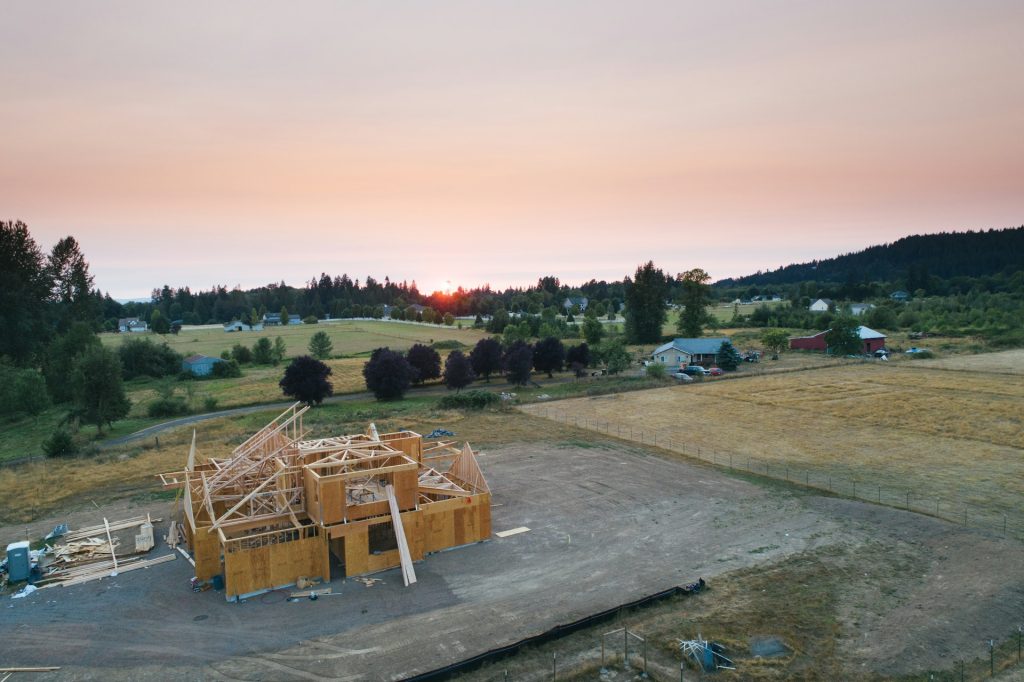
In many growing North Texas communities, you won’t be the last one to move in. Your street might have finished homes on one side and bare slabs on the other. That affects moving day more than people expect.
Construction trucks, dumpsters, and delivery vehicles often line the streets during work hours. Some roads may be partly closed or not yet paved. A large moving truck may not be able to park right in front of your house.
What to check ahead of time
Drive through the neighborhood on a weekday, around the time you plan to move. Notice where trucks park, which roads are blocked, and how easy it is to turn around. Take a few photos and share them with whoever is helping you move.
It also helps to ask the builder whether any major work is scheduled near your lot that week. A concrete pour next door could block your driveway for half a day.
HOA Rules Apply Before You Even Unpack
Most new communities in the Dallas–Fort Worth area have a homeowners association, and many of them have rules about moving. These can cover:
- Allowed moving hours
- Where trucks can park and for how long
- Whether moving pods or containers can sit in driveways
- Trash and box disposal
Buyers often receive a thick HOA packet at closing and don’t read it until something goes wrong. Skim the sections on parking, vehicles, and temporary structures before moving day. If anything is unclear, email the HOA manager and get the answer in writing.
This small step can save you from a warning letter in your first week, which isn’t the welcome anyone wants.
Plan for the Heat Like It’s Part of the Move
North Texas summers are long, and triple-digit days are common. Many families prefer to move in summer because school is out, but that timing comes with real risks for both people and belongings.
Protecting your crew and family
Start early. A 7 a.m. start gets the heaviest lifting done before the worst heat of the day. Keep a cooler of water and sports drinks near the front door, and set the new home’s thermostat a few degrees cooler the night before so the house is ready.
Keep kids and pets away from the loading area. A friend’s house, a daycare, or a pet sitter for the day makes everything safer and faster.
Protecting your belongings
A closed moving truck can get extremely hot inside. Some items don’t handle that well, including:
- Candles and wax-based products
- Vinyl records
- Electronics and batteries
- Medications
- Photos, artwork, and some adhesives
- Wine and certain foods
Pack these separately and move them in your own air-conditioned car. For valuable art or antiques, consider custom crating or climate-conscious packing, especially for longer trips.
Do a Walkthrough Before the Furniture Arrives
Your builder will likely schedule a final walkthrough, sometimes called a “blue tape” inspection, where you mark small issues for repair. Take this seriously. Once your furniture and boxes fill the rooms, spotting problems becomes much harder.
Bring a roll of painter’s tape, a flashlight, and your phone. Check paint touch-ups, cabinet doors, outlets, window locks, and floor scratches. Run every faucet and flush every toilet. Open and close every door.
Then take photos and a short video of each room. This record helps with warranty requests and gives you proof of the home’s condition before the move. If anything gets scuffed on moving day, you’ll know whether it was already there.
A simple tip that helps a lot
Measure doorways, stair turns, and hallway widths before moving day. New homes often have tight turns near staircases or narrow entry points to bonus rooms. Knowing these measurements helps you decide in advance where large pieces like sectionals, pianos, or king-size beds can actually go.
Protect Floors and Walls in a House Nobody Has Lived In
Fresh flooring and paint show damage easily. One dragged dresser can leave a mark you’ll notice every day for years.
Ask your movers how they protect homes during the move. Common methods include floor runners, door jamb covers, and padded banisters. If you’re moving yourself, pick up floor protection film or rosin paper from a hardware store and lay it along main walkways before anything comes inside.
It’s also smart to hold off on hanging pictures or mounting TVs until the house settles a bit. New construction can have small drywall cracks appear in the first year as the home adjusts. Many builders fix these during a warranty visit, so wait before you commit to big wall projects.
Unpack in the Right Order
Moving into an empty house feels exciting, but it can also feel overwhelming. Every room needs something. A clear order helps the home function quickly, even before it looks finished.
Day one priorities
Set up beds first. After a long moving day, nobody wants to hunt for sheets at midnight. Next, unpack a basic kitchen kit with a few plates, cups, a pan, a knife, coffee supplies, and dish soap. Then set up the bathrooms with towels, toilet paper, and toiletries.
The first week
Move on to the rooms you use most. For most families, that means the kitchen, kids’ rooms, and a work-from-home setup. Leave guest rooms, storage areas, and décor for later.
One helpful habit is to label boxes by room and priority, such as “Kitchen – Open First” or “Garage – Later.” Clear labels save hours of searching and help anyone carrying boxes put them in the right place.
Set Up the Utilities and Services Early
Utility setup can be confusing in new neighborhoods. Some areas have one electric provider option, while others in Texas let you choose. Water and trash may be handled by the city, a utility district, or the HOA.
Contact providers at least two weeks before closing. Schedule internet installation as early as possible, since new communities sometimes have long wait times for technicians. Also update your address with the post office, your bank, and any subscriptions. New streets occasionally don’t show up in delivery systems right away, so expect a few packages to go astray at first.
Conclusion
A new-construction home offers a rare chance to start fresh in a space nobody has lived in before. The move itself, though, rewards buyers who expect the unexpected. Closing dates shift, streets fill with work trucks, HOA rules arrive in thick packets, and North Texas summers test everyone’s patience.
The good news is that most of these challenges are easy to manage with a little planning. Keep your timeline flexible, read the rules before moving day, protect both your family and your belongings from the heat, and inspect the house carefully before it fills up. When you unpack with a clear plan, your new home starts working for you right away, and those first weeks become about settling in rather than catching up.