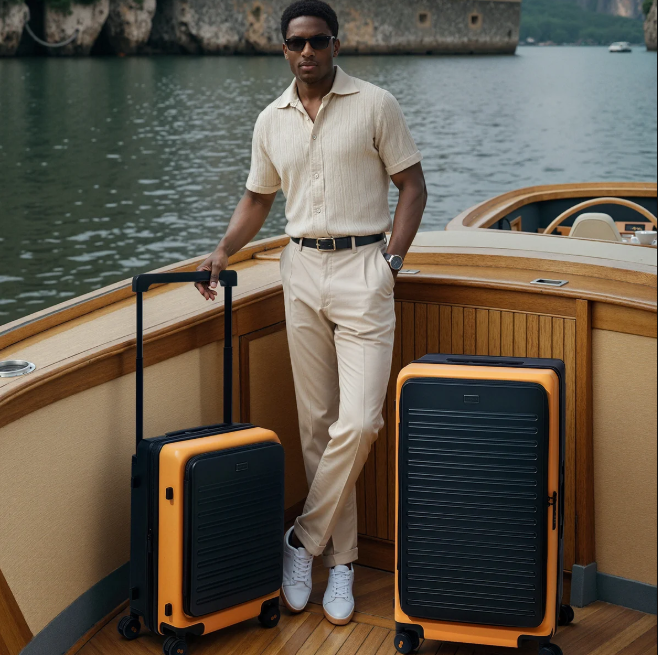
New York Fashion Week can turn a short city visit into a demanding packing exercise. A traveler may need a daytime look, an evening outfit, comfortable shoes for moving between venues, and practical layers for unpredictable September weather. Add beauty products, accessories, and work equipment, and one suitcase can quickly become disorganized.
The answer is not to bring an outfit for every possible invitation. A stronger plan builds complete looks before departure, limits pieces that serve only one purpose, and organizes the case around the order in which clothing will be worn. This keeps a compact hotel room functional and makes last-minute changes easier to manage.
Plan Complete Looks Before Packing
Begin with the confirmed schedule. Lay out each outfit with its shoes, bag, jewelry, and outer layer, then photograph the complete look. This reveals duplicated items and missing pieces before anything enters the suitcase. A blazer, neutral trousers, or simple dress that works for more than one event can replace several highly specific garments.
Once the outfits are selected, top-opening luggage can support an order-based system. Clothing needed first can remain near the upper opening, while later looks stay underneath or in separate packing cubes. In a small Manhattan hotel room, accessing the case from the top may also require less clear floor space than leaving a full clamshell suitcase open beside the bed.
Repeat pieces should be easy to identify. If the same black trousers or jacket supports several looks, keep it accessible rather than packing it inside a cube assigned to one event. Place a note in the packing plan after the final planned use so the item is not moved into the laundry bag too early.
Protect Structure Without Overstuffing
Structured jackets, shoes, and accessories lose their shape when squeezed into every available gap. Place heavier footwear near the wheel end, use soft items to prevent movement, and fold jackets along their natural seams. Delicate jewelry belongs in a small organizer rather than a loose interior pocket where pieces may tangle or scratch one another.
Some travelers choose zipperless luggage for a rigid frame and latch-style closure. That construction makes disciplined packing especially important: the case should close without pressing down on the lid or forcing a latch. Removing one backup outfit is usually a better solution than compressing carefully prepared clothing until it wrinkles or loses its shape.
Separate Event Items from Everyday Essentials
Fashion Week still includes ordinary city needs. Keep medication, identification, chargers, a compact umbrella, and comfortable walking shoes separate from event clothing. A small repair pouch with fashion tape, safety pins, stain-removal wipes, and a travel-size lint roller can solve common wardrobe problems without taking much room.
Beauty products should be edited with the same discipline as clothing. Bring the products used in planned looks rather than an entire home routine. Protect liquids inside a leak-resistant pouch and follow current airport screening rules when flying. Hair tools, batteries, and aerosols may have specific restrictions, so confirm how each item should be packed before leaving home.
Accessories can change a familiar outfit without adding another garment. Choose pieces that store flat and avoid bringing valuable items solely for one photograph. If an accessory creates concern when moving between crowded venues, a simpler alternative may make the day easier.
Use the Hotel Room as a Dressing System
Unpacking everything at once can make a small room harder to use. Hang only the next one or two outfits, place their accessories together, and leave later looks organized inside the case. Return rejected options to their original cubes instead of creating a pile on a chair. This preserves the packing system when the schedule changes.
Designate one bag for worn clothing and another small area for receipts, invitations, and event materials. Shoes should stay away from clean garments, especially after walking on wet sidewalks. Before leaving each morning, photograph valuables and confirm that keys, passes, and portable chargers are in the day bag rather than hidden in an evening clutch.
Leave Space for the Return Trip
Samples, printed materials, and purchases can add volume before the flight home. Begin the trip with some unused suitcase space instead of assuming nothing new will be collected. Repack by category, isolate worn clothing, and protect anything fragile between soft layers. A thoughtful system matters more than carrying the largest possible wardrobe: it keeps the room calmer, protects the selected looks, and leaves more attention for the events themselves.
Complete the final repack before the last event whenever the departure schedule is tight. Set aside the travel outfit, documents, medication, and chargers, then check the closed case. This prevents a late-night wardrobe change from turning into a rushed search through every compartment the next morning.