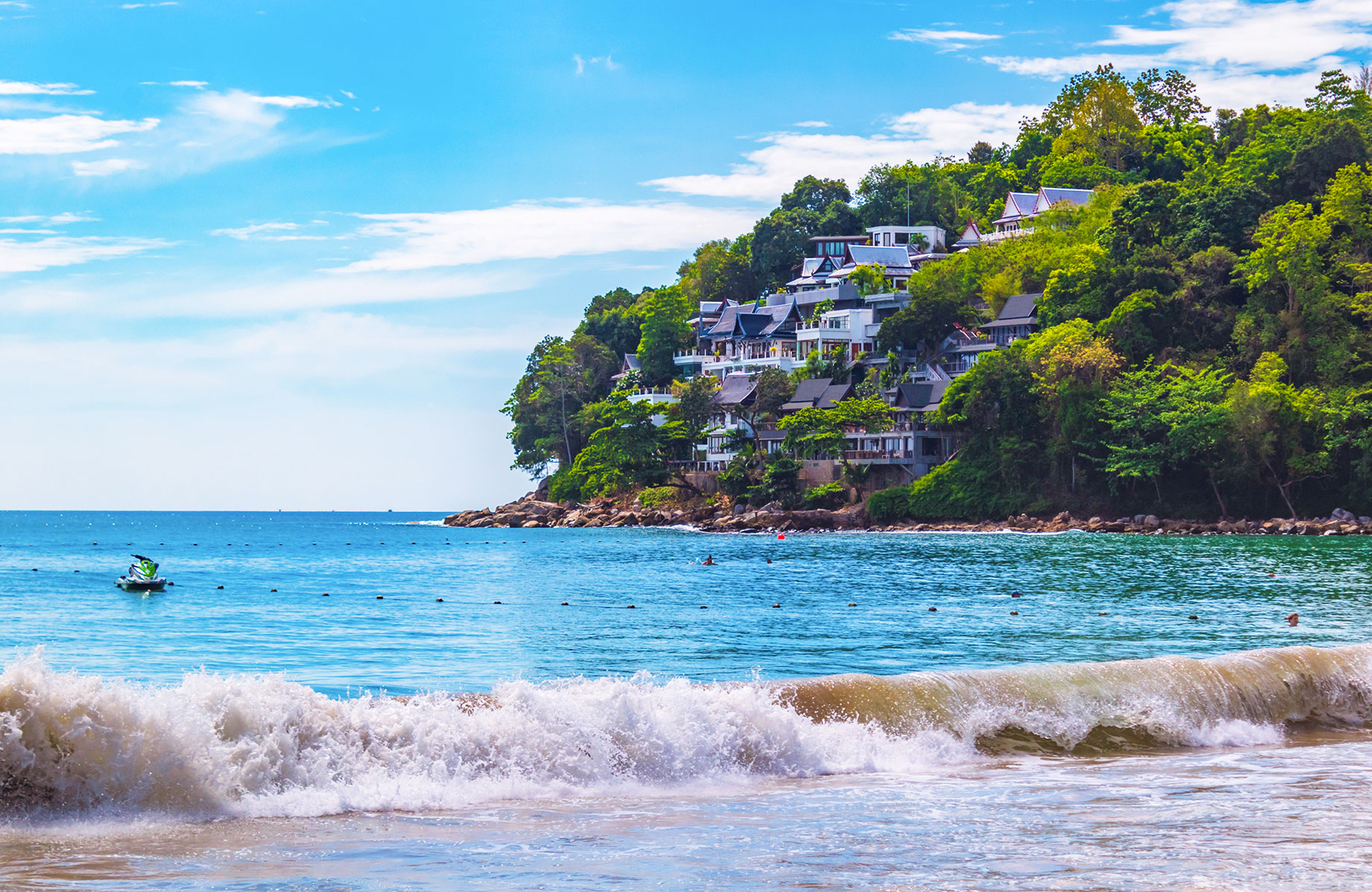
A hillside villa can offer privacy, sea views and a strong sense of separation from busier parts of Kamala. The same topography also makes access, drainage and structural maintenance more important than on a flatter site.
Why hillside villas in Kamala require a different level of due diligence from properties on flatter sites
Buyers comparing Kamala villas for sale should treat a hillside location as an engineering condition, not just a visual advantage. The building, driveway, retaining structures and drainage all interact with the slope, so problems in one part of the site can affect another. A polished interior does not reveal whether the land around the house is managing water and movement properly.
The inspection should therefore begin outside. The buyer needs to understand how the villa sits on the terrain and what lies above and below it. Cracks, patched retaining walls or repeated water flow justify review by an independent engineer.
How road gradient, driveway width, turning space, parking, and emergency access affect everyday use and long-term practicality
A dramatic view can lose much of its appeal if reaching the house is stressful. Steep roads may be manageable in a suitable vehicle but uncomfortable for visitors, delivery drivers or anyone unfamiliar with the route. Narrow bends and limited turning space also become more noticeable when the villa is used every day.
Access should be tested from the driver’s seat rather than judged from a map. The route needs to work for residents, guests and service vehicles, including after dark or during heavy rain. A practical review covers:
- The steepest section of the approach road;
- road width at bends and passing points;
- visibility when entering or leaving the property;
- space for turning and parking more than one vehicle;
- access for taxis, service vehicles and emergency response;
- road condition and drainage during heavy rain.
The driveway deserves the same attention. A sharp ramp can make low vehicles scrape, while poor turning space may force drivers to reverse onto a steep road. These permanent characteristics should be judged before cosmetic features.
What retaining structures, drainage systems, surface water movement, erosion signs, and surrounding terrain can reveal about site-related risks
Water is one of the most important factors on a sloping site. Roof runoff, paved terraces and uphill land can concentrate water during heavy rain, so drains must direct it safely away from the building and retaining structures. Blocked channels or poor grading can create problems even when the house itself was well constructed.
An inspection after rain can reveal the route water actually takes. Damp staining, mineral deposits, eroded soil, standing water and repeated patch repairs become more meaningful when several appear in the same area. Improvised pipes or soil washed onto a driveway may also show that runoff has been managed reactively rather than by design.
These signs are clues, not a diagnosis. A qualified engineer should review suspected movement or drainage failure and decide whether it reflects normal weathering, a repairable defect or a more serious site issue. That assessment gives the buyer a technical basis for discussing cost and risk before committing.
How to distinguish a genuinely protected sea view from one that could be affected by future construction or changes on neighbouring land
A sea view can represent a significant part of a hillside villa’s appeal, yet the current panorama may depend on land the owner does not control. Empty plots, low buildings or vegetation below the property can all change. A view should therefore be assessed against neighbouring parcels and relevant development controls rather than treated as permanent because it is open today.
The buyer needs to separate the view created by elevation from the view created by current development patterns. A villa high enough to see over established buildings may have a more durable advantage than one facing a vacant plot. If future construction could affect the outlook, that uncertainty belongs in the valuation.
Which structural and engineering elements deserve closer inspection in a villa built on sloping terrain
The engineering review should extend beyond the visible house. Retaining walls, pool structures, terrace edges and the connections between different levels all interact with the site. Where a pool sits close to a slope, both the shell and the surrounding ground deserve particular attention.
Structural observations should be considered together with the systems that keep the site usable. Doors that no longer close squarely, recurring cracks at junctions and uneven floor transitions may justify further investigation, especially when they appear in more than one area. The inspection should cover:
- Retaining walls and visible structural junctions;
- drainage channels and discharge points;
- pool structure and surrounding terraces;
- accessible foundations or substructure;
- doors, windows and floor levels for signs of movement;
- pumps, tanks, wastewater systems and external electrical equipment.
Service access is easy to overlook on a steep plot. Pumps, tanks and other equipment should be reachable without dismantling finishes or negotiating awkward level changes. Difficult access does not make a system defective, but it increases the time and cost of routine maintenance.
How difficult access, engineering complexity, maintenance demands, and view quality can influence rental appeal and future resale
A hillside villa may attract tenants who prioritise privacy and views, but those advantages need to outweigh the practical limitations. Guests may be less comfortable with a steep access road, and families may prefer easier parking or a simpler route to the beach. The same factors will be considered by a future purchaser.
Engineering complexity also affects ownership costs. Retaining structures, external stairs, pumps and drainage channels all require maintenance. A spectacular site can justify that burden, but the cost should be understood from the start.
The strongest hillside properties combine a durable view with safe access and sound engineering. In Kamala, elevation can create a distinctive asset when the site works well technically and visually. That balance supports day-to-day enjoyment without making the property difficult to maintain or resell.
