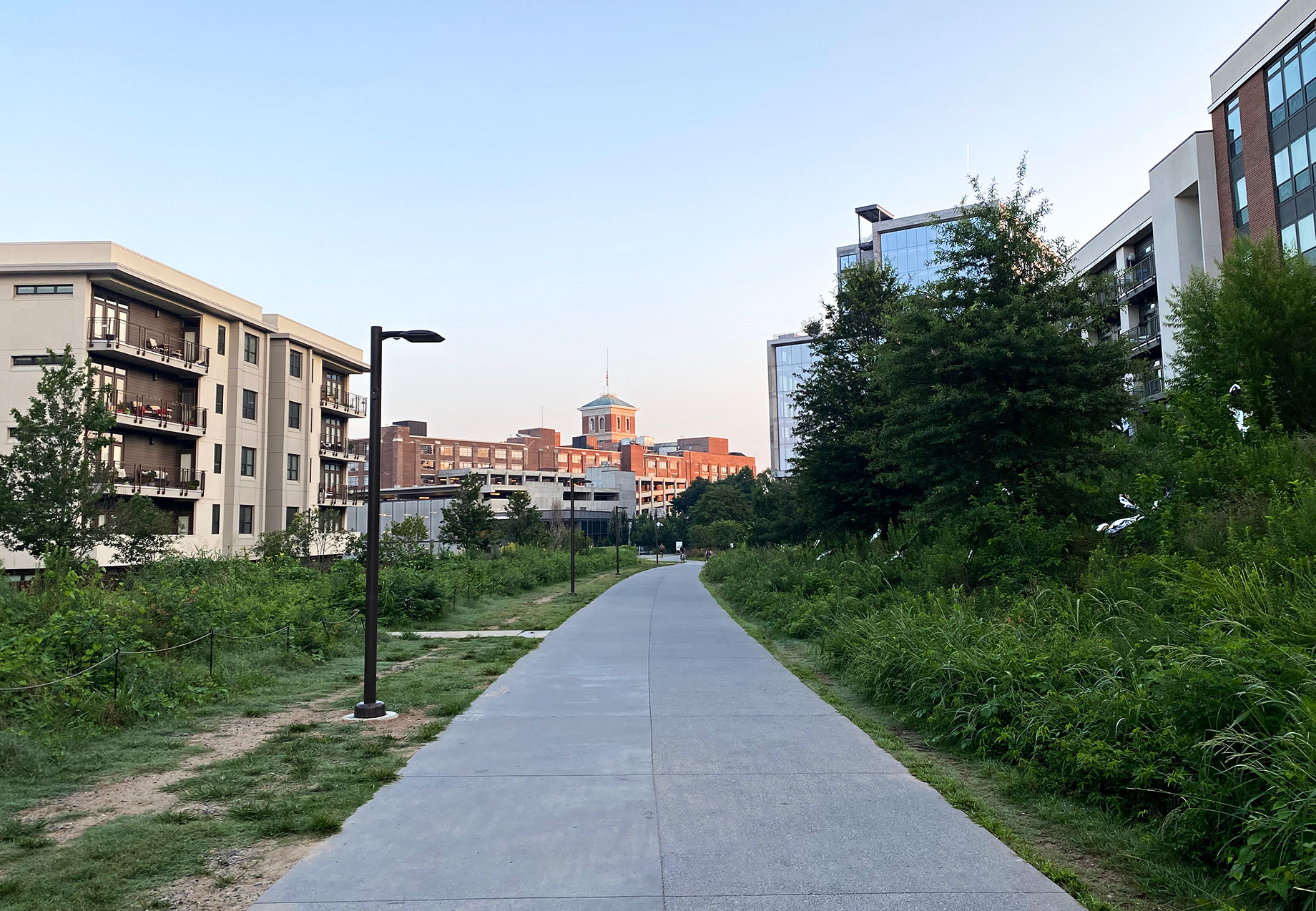
The Atlanta Beltline started as a graduate thesis project in 1999. Twenty-seven years later, it generates more annual economic output than some mid-sized American cities.
A May 2026 economic impact analysis confirmed what residents along the corridor have watched unfold in real time. Activity within the Beltline Planning Area now sustains over 91,000 jobs and produces an estimated $23 billion in annual economic output. Private investment has reached $14.2 billion since the project launched, surpassing its original $10 billion target years ahead of schedule.
Those are headline numbers. But the more immediate story is playing out at street level, in the neighborhoods along the trail’s 22-mile loop.
The Neighborhoods Absorbing the Most Change
Not every stretch of the Beltline is transforming at the same speed. The eastern and southeastern sections have become the most active corridors for new housing and commercial development, while the western and southern legs are picking up pace as construction reaches their borders.
Old Fourth Ward has arguably changed more than any other neighborhood along the trail. Ponce City Market anchors the area, but the real shift is the residential density rising around it – mid-rise apartment buildings, new restaurant concepts, and ground-floor retail arriving on a near-monthly cycle.
Grant Park and Ormewood Park entered a new chapter in April 2026, when Segments 4 and 5 of the Southeast Trail opened with a ribbon-cutting ceremony. The 1.2-mile expansion connected both neighborhoods directly to the Beltline for the first time, linking residents to the Krog Street Tunnel and the broader trail network. Buyer interest in both ZIP codes picked up noticeably within weeks of the opening.
West End tells a more complicated story. Sitting along the Westside Trail, this historically Black neighborhood is drawing significant private investment alongside real community tension around displacement. New apartment buildings and restaurants continue arriving along the corridor, but advocacy groups are pushing hard for stronger affordability protections for longtime residents and legacy businesses.
New Trail Segments Are Redrawing the Map
What makes the Beltline’s impact difficult to predict is that the trail itself is still being built. Every new segment that opens reshapes which parts of the city attract newcomers.
By June 2026, completion of the remaining Southside Trail brought the total continuous paved loop to 17.9 miles. A new Westside multi-use connection through Georgia Tech is in active development. And on the northeastern end, a 130-unit affordable housing complex called Overlook at Garson broke ground in August near the Lindbergh MARTA station, adding residential units directly adjacent to a planned trail expansion into Buckhead.
The pattern repeats with each opening. Streets that felt disconnected gain foot traffic, restaurant demand, and real estate interest within months.
What the Atlanta Housing Market Looks Like Along the Corridor
The economic report captures the big picture, but housing along the Beltline shifts block by block.
In Midtown and Old Fourth Ward, where trail access has existed the longest, prices reflect years of sustained demand. Rents in newer buildings near the Eastside Trail consistently run above the city average, and for-sale condos in the area move quickly. These remain some of the most competitive pockets in the entire Atlanta housing market.
In neighborhoods where trail access is newer – Grant Park, Boulevard Heights, sections of the Westside – prices sit lower but are climbing fast. Developers and investors moved into these corridors ahead of the trail openings, and the gap between current pricing and Eastside Trail pricing is narrowing faster than many anticipated.
Downtown adds another variable. The $5 billion Centennial Yards project is rising from the old railyards roughly a mile from the Beltline’s western edge. Its first phase includes over 300 new apartments, two hotels, and nearly 100,000 square feet of retail and entertainment space. Once completed, it will form a walkable connection between the stadium district and a reimagined downtown. That kind of connectivity tends to lift housing demand across every neighborhood in between.
On the affordability side, the Beltline has created or preserved over 4,400 affordable housing units, reaching about 79 percent of its 5,600-unit goal for 2030. But rising rents and property tax bills continue to put pressure on residents who have lived along the corridor for decades. The question of who gets to stay is far from settled.
What It Takes to Move Into a Beltline Neighborhood
For anyone planning a relocation to one of these areas, the logistics carry a layer of complexity that most Atlanta neighborhoods do not present.
Streets along the Beltline corridor tend to be narrow, lined with active construction, and subject to changing access restrictions as trail work progresses. In Grant Park, parking is largely residential permit-only, and road closures near construction zones can limit truck access during specific hours.
Old Fourth Ward apartment buildings frequently require loading dock reservations and enforce tight move-in schedules. In the West End, newer developments sit alongside older homes on residential streets that were never designed for large vehicles.
This is where working with experienced movers in Atlanta makes a measurable difference. Falcon Moving ATL has built a strong reputation for handling Beltline-adjacent relocations specifically.
Their crew coordinates parking permits in historic districts, routes around active construction, and manages the tight-access logistics that come with dense intown corridors. For people arriving from outside the city, that kind of block-level knowledge prevents the delays and complications that first-time residents rarely see coming.
Summer is the busiest window. Beltline neighborhoods rank among the most in-demand areas in the city between May and September, and moving schedules fill up fast.
The Boom Is Not Finished
The Beltline’s $23 billion in economic output reflects a project that is still only partially complete. Several trail segments remain under construction, a transit component has yet to break ground, and private development along the corridor shows no sign of slowing.
For anyone weighing a move to one of these neighborhoods, the window before the next wave of growth is narrowing. The trail keeps expanding, and the city around it changes with every mile that opens.
