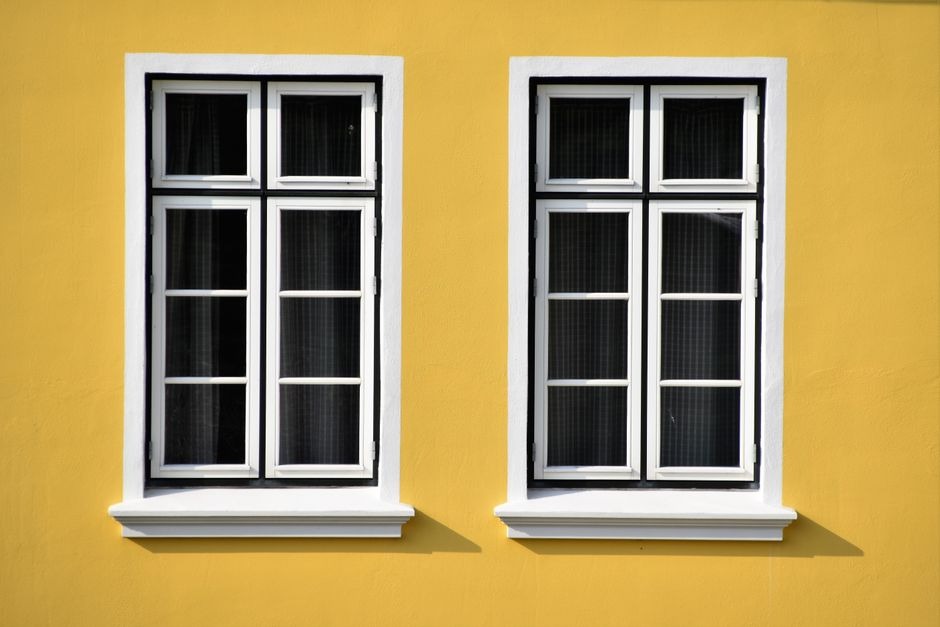
If you’re thinking about replacing your windows, you’re probably chasing more than looks. Drafty rooms, rising energy bills, outside noise, and windows that stick like they’re holding a grudge can all push the project to the top of your list. In places like Denver, where sun, snow, hail, and temperature swings all take turns testing your house, window replacement becomes less of a cosmetic upgrade and more of a smart home performance move.
Signs Your Windows Are Past Their Prime
Some window problems announce themselves loudly. You feel a draft near the frame, notice condensation trapped between panes, or struggle to open a sash that clearly has its own agenda.
Other signs are easier to miss. Your furniture may start fading from UV exposure, your HVAC system may run longer than it should, and street noise may seem sharper than before. Old seals, warped frames, and outdated glass packages can quietly chip away at comfort and efficiency.
A quick test helps. On a windy day, hold your hand near the frame edges. If you feel moving air, the seal is likely compromised. If the glass looks foggy inside and never fully clears, the insulating seal may have failed. Once repairs become frequent, replacement usually makes more financial sense than continuing temporary fixes.
Materials, Glass Packages, and Performance Ratings Matter
Frame material plays a major role in durability, maintenance, and price. Vinyl is popular because it’s affordable and low-maintenance. Fiberglass tends to be stronger and more dimensionally stable. Wood offers warmth and character, but it needs more upkeep.
Glass performance is where the technical side kicks in. Look at ratings from the National Fenestration Rating Council to compare windows using measurable standards. Pay attention to:
– **U-Factor** for insulation performance
– **Solar Heat Gain Coefficient** for how much heat the glass lets in
– **Visible Transmittance** for natural light
– **Air Leakage** for draft resistance
If you’re evaluating a Window Replacement Company, ask how their products perform in local weather conditions, not just how they look in a brochure. In Denver, for example, high UV exposure, freezing temperatures, and sudden storms can be hard on low-quality units.
What Window Replacement Actually Changes in Your Home
New windows affect a lot more than curb appeal. They can improve insulation, reduce sound transfer, help manage indoor temperatures, and even support better indoor air quality when they open and close properly.
Energy efficiency is a big one. Modern windows often include low-emissivity coatings, insulated frames, and double- or triple-pane glass filled with argon or similar gases. That setup helps reduce heat transfer, which matters whether you’re trying to keep warm air in during winter or block intense summer sun.
You’ll also notice changes in comfort. Rooms with old windows often have hot and cold spots that make them awkward to use. A bedroom that’s freezing in January or stuffy in July becomes a lot more livable with better glazing and tighter seals. Good replacement windows make your house feel less reactive to the weather outside.
Choosing the Right Window Style for How You Live
The best window style depends on your house, your climate, and how you actually use each room. It’s easy to get distracted by showroom aesthetics, but function deserves equal attention.
Popular options include:
– **Double-hung windows** for classic looks and easy cleaning
– **Casement windows** for strong ventilation and tight sealing
– **Sliding windows** for wide openings and simple operation
– **Picture windows** for fixed views and maximum light
– **Awning windows** for airflow even during light rain
Think room by room. In a kitchen, a casement window over the sink can be much easier to open than a double-hung style. In a living room with a view, picture windows can create a cleaner visual line. In bathrooms, privacy glass may matter more than frame color.
Your installer should help match style to use case, not just hand you a catalog and wish you luck.
Installation Quality Can Make or Break the Project
You can buy a great window and still get poor results if it’s installed badly. Gaps, flashing mistakes, bad measurements, and rushed sealing work can create leaks, drafts, and long-term damage inside the wall assembly.
A proper installation starts with accurate sizing and inspection of the existing opening. If there’s hidden water damage, rot, or structural movement, that should be addressed before the new window goes in. Slapping a shiny new frame over an old problem is not exactly elite craftsmanship.
Ask the contractor how they handle:
– Moisture barriers and flashing
– Insulation around the frame
– Interior and exterior trim finishing
– Disposal of old windows
– Manufacturer warranty compliance
You should also confirm whether they use full-frame replacement or insert replacement. Full-frame is more extensive, but it’s often better when the existing frame is damaged or outdated.
How to Budget Without Getting Burned
Window replacement costs vary based on size, style, frame material, glass upgrades, labor complexity, and the condition of the openings. If your home has custom shapes, older framing, or access issues, the labor side can rise quickly.
Get multiple quotes, but don’t treat the lowest number like an automatic win. A suspiciously cheap bid may leave out flashing details, haul-away service, warranty coverage, or better-performing glass. The final invoice can turn into an unpleasant plot twist.
When comparing estimates, check for:
– Exact window brand and model
– Glass package specifications
– Scope of installation work
– Warranty terms for product and labor
– Timeline and cleanup details
Also ask about financing if you’re replacing several windows at once. A whole-house project can be a major investment, but doing everything together may lower labor costs and create more consistent performance across the home.
Questions You Should Ask Before Signing Anything
A contractor may have polished sales language, but your job is to slow the process down and look for specifics. Ask direct questions and see whether the answers stay clear or start drifting into vague territory.
Useful questions include:
– Are you licensed and insured for this work?
– Who handles the installation: employees or subcontractors?
– What product warranties and labor warranties are included?
– How do you handle damaged trim, rot, or unexpected framing issues?
– Can you provide recent local references?
– What permits, if any, are needed?
You should also ask for a written timeline. Weather, custom orders, and scheduling can affect the project, but a professional team should still give you a realistic framework.
A strong contractor won’t dodge technical questions. They’ll explain performance ratings, installation methods, and material trade-offs in plain language. That’s a good sign you’re dealing with people who know the work instead of just selling the dream.
A Smart Replacement Project Pays Off Long After Installation
New windows can sharpen your home’s appearance, but the real value shows up in daily life. You get quieter rooms, more consistent temperatures, smoother operation, and often better resale appeal. That kind of improvement tends to age well.
The key is taking a practical approach. Look beyond style, compare performance data, vet the installer carefully, and make decisions based on how your home actually functions. A flashy sales pitch fades fast. Good materials and precise installation keep doing their job year after year.
If your current windows rattle, leak, fog up, or make your heating and cooling system work overtime, it may be time to stop negotiating with them. A well-planned replacement project can give you comfort, efficiency, and fewer household annoyances in one move.