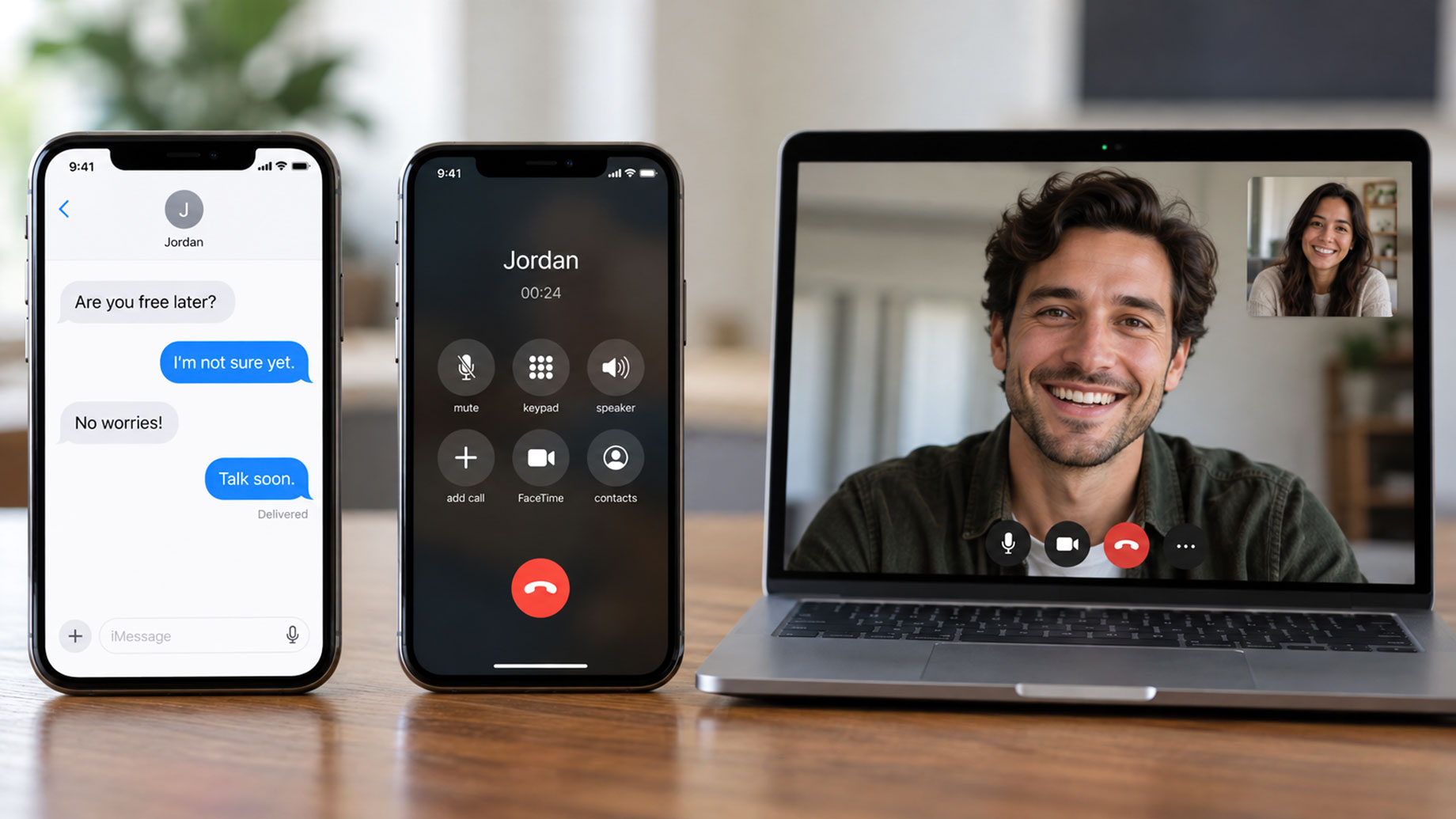
A text message can say “I’m fine.” A two-second pause on a phone call can say the opposite. That’s the whole problem with typed words: they carry information, but they strip away almost everything that makes communication human. Voice and video don’t have that problem, and the gap between them and text is only growing wider.
The Empathy Gap in Text Messages
Written words are flat by design. There’s no rise and fall in tone, no breath, no hesitation you can hear. Researchers have found that people consistently misjudge sarcasm, urgency, and even basic mood when reading a message compared to hearing it spoken aloud. One well-known study on communication found that tone and nonverbal cues can carry more weight than the actual words used in emotionally charged conversations.
This is why arguments start over a period at the end of a sentence, or why “k.” feels like an insult. Text forces the reader to guess, and guessing is exhausting when it happens dozens of times a day.
How Tone of Voice Changes Everything
Voice fixes the guessing game almost instantly. A shaky voice signals nervousness before a single sentence finishes. A warm laugh mid-call can defuse tension that a paragraph of typed apologies never would. The human ear picks up on pitch, speed, and volume changes in fractions of a second, processing emotional context far faster than the brain can decode written sentiment.
There’s also something oddly efficient about it. A three-minute call often replaces forty minutes of back-and-forth texting, simply because misunderstandings get caught and corrected in real time instead of festering.
Video Calls and the Power of Facial Expressions
Add a face to the voice, and the gap widens even further. Humans read microexpressions constantly, often without realizing it. A raised eyebrow, a genuine smile versus a polite one, eye contact that lingers or looks away — all of this happens in milliseconds and shapes trust more than any written message ever could.
This is precisely the kind of connection people seek when texting starts to feel hollow. Platforms like CallMeChat have grown popular precisely because they let strangers skip the slow, guarded stage of typing and jump straight into a real conversation, face-to-face. Here, tone and facial expression play a decisive role, not emojis attempting to imitate them.
Speed vs. Depth: Why Typing Slows Us Down
The average person types around 40 words per minute. Speech, by contrast, flows at roughly 150 words per minute — nearly four times faster. That difference isn’t trivial when you’re trying to explain something complicated or emotionally loaded.
Typing also invites overthinking. People rewrite, delete, and second-guess a message before sending it, which sounds careful but often just delays the conversation and adds anxiety. Speaking doesn’t allow for that kind of editing, and somehow that makes it feel more honest.
The Loneliness Problem Text Can’t Solve
Loneliness has become something of a public health talking point in recent years, and it’s not hard to see why. Surveys have repeatedly shown that people who rely mostly on text-based communication report weaker feelings of closeness with friends and family compared to those who talk regularly by phone or video. Words on a screen simply don’t trigger the same neurological response as a familiar voice.
There’s a reason a short phone call from a parent can feel more comforting than a week of daily texts. Voice carries warmth that text can only imitate, usually badly, with a string of exclamation points.
Building Real Connections in a Digital World
Dating apps learned this lesson the hard way. Matches that stay in text chat for too long often fizzle out, while those who move to a call within the first few days are far more likely to meet up and stick around. Voice acts as a filter and a bridge at the same time — it confirms chemistry exists before anyone invests more time.
That same logic applies well beyond dating. Remote teams that hop on a quick video call instead of a Slack thread tend to resolve problems faster and with fewer hurt feelings. Seeing a coworker’s tired smile after a rough week explains more than any status update ever could.
The Future Belongs to Voice and Video
None of this means text is going away. Quick logistics, addresses, links — text still wins for that. But for anything that matters emotionally, the trend is unmistakable: more apps are adding voice notes, more workplaces default to quick calls over long email chains, and video chat features keep expanding across nearly every major platform.
Technology has spent two decades making typing faster and easier, and yet people keep circling back to the sound of an actual voice. That says something important about what humans actually want from communication.
When Words Fail, a Voice Note Still Works
Sometimes there just isn’t time to explain something in writing. A voice note takes ten seconds to record and says more than a rushed paragraph ever could, typos and all. No editing, no overthinking — just a quick thought sent the way it was meant.
Why Silence Feels Different on a Call
Silence in a text conversation feels like rejection. Silence on a call feels like comfort. Two people can sit quietly on the phone and still feel close, something typing can never replicate. That small difference explains a lot about why voice keeps pulling people back, even in a world built for typing.
Final Thoughts
Text will always have its place for convenience, but it was never built to carry emotion well. The voice adds warmth. Video adds trust. Together, they close a gap that typed words simply cannot, no matter how many emojis get thrown at the problem.
The next time a message feels like it’s about to be misread, it might be worth just pressing the call instead.
