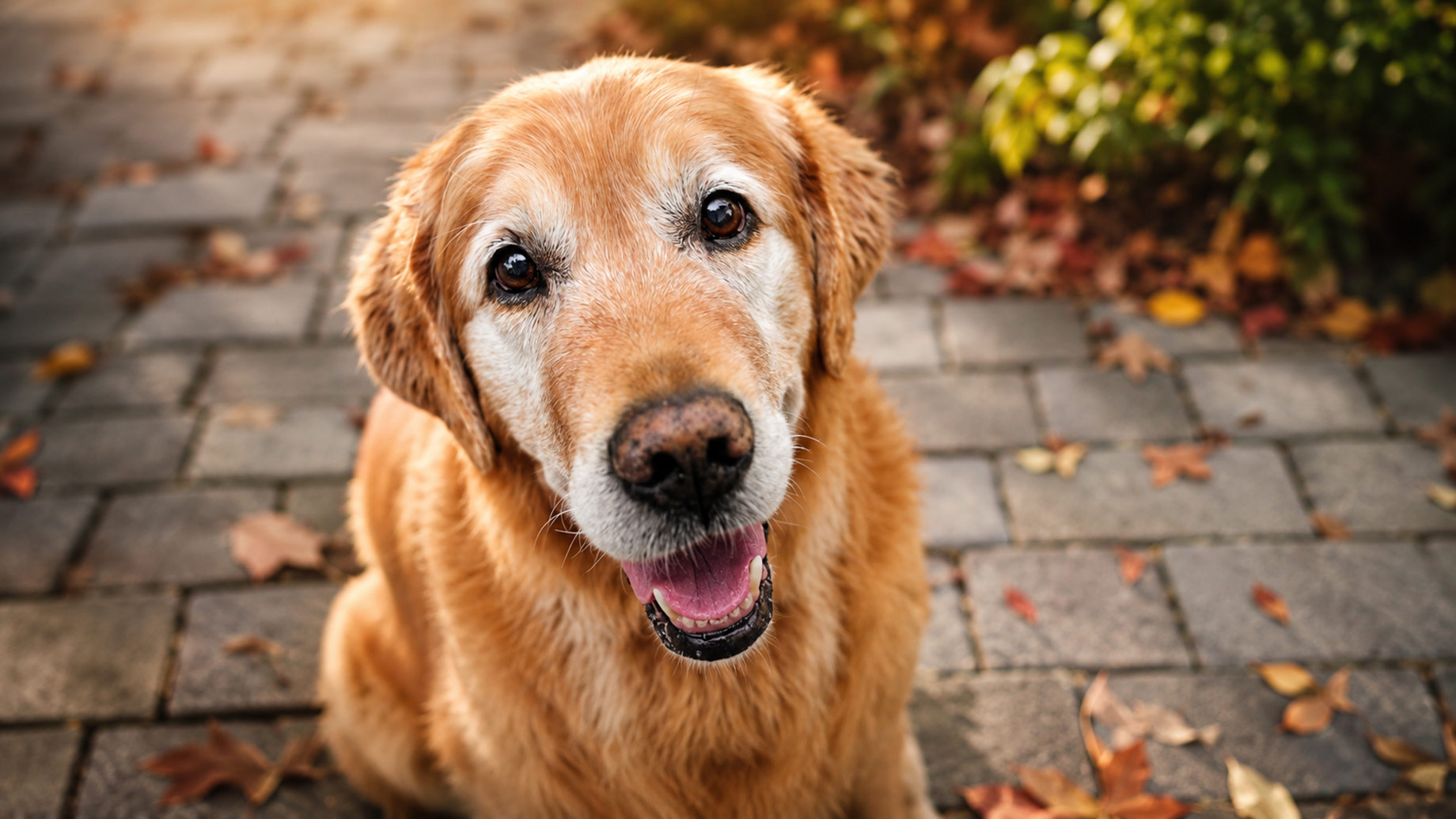
Watching a senior dog slow down is one of the harder parts of pet ownership. A dog who once bounded up stairs without hesitation starts hesitating at the bottom step. Morning walks get shorter. Rising from a resting position takes longer and comes with visible effort. These changes are common, but they are not inevitable in their severity. Joint health in aging dogs is a manageable condition when addressed early, consistently, and through multiple complementary strategies rather than waiting until mobility loss becomes severe.
WagWell approaches senior dog joint health the same way veterinary rehabilitation specialists do: through a multimodal strategy that combines nutritional support, weight management, appropriate exercise, and environmental modification. No single intervention produces the same result as all of them working together.
Understanding Why Senior Dogs Lose Mobility
Joint deterioration in aging dogs is a gradual process driven by several overlapping mechanisms. Understanding what is happening biologically helps you intervene at the right points rather than simply managing pain symptoms after the damage has already accumulated.
Cartilage tissue lacks its own blood supply, which means it depends on joint fluid movement during exercise to receive nutrients and remove waste products. Sedentary aging dogs lose this nutrient delivery mechanism, accelerating cartilage thinning. Synovial fluid, the joint’s natural lubricant, decreases in both volume and quality with age. The joint capsule thickens and loses flexibility. Chronic low-grade inflammation compounds all of these changes by releasing enzymes that break down cartilage matrix faster than the body can repair it.
A comprehensive clinical review published by the National Institutes of Health confirms that osteoarthritis in dogs is almost never caused by a single factor. Weight, genetics, previous injuries, breed predisposition, and cumulative inflammatory burden all contribute simultaneously. This multi-factor origin explains why single-intervention approaches consistently underperform multimodal management strategies.
The Four Pillars of Senior Dog Joint Health
Effective joint health management in senior dogs rests on four interconnected strategies. Each one is meaningful on its own. Together they produce outcomes that individual interventions cannot match.
Weight Management as the Foundation
Body weight is the single most modifiable risk factor for joint disease progression in dogs. Every excess kilogram places disproportionate mechanical stress on joints that are already experiencing cartilage thinning and reduced lubrication. Research cited in the NIH clinical review found that weight reduction alone produced measurable improvements in lameness scores and pain assessments in overweight dogs with confirmed osteoarthritis, without any other intervention.
A body condition score assessment from your veterinarian establishes whether your senior dog is carrying excess weight and how much reduction would meaningfully reduce joint load. Dietary adjustments should be gradual and vet-supervised, particularly in senior dogs whose metabolic rate and muscle mass are already changing. Preserving lean muscle mass while reducing fat mass is the goal, which means caloric restriction needs to be paired with appropriate protein intake rather than simply cutting overall food.
Nutritional Support for Joint Tissue
Diet and targeted supplementation provide the raw materials that joint tissue needs to maintain itself and slow deterioration. Several compounds have strong clinical evidence for joint-specific benefits in dogs.
Glucosamine and chondroitin sulfate are the most established joint supplement ingredients in veterinary medicine. Glucosamine supports proteoglycan synthesis, the building blocks of cartilage matrix. Chondroitin inhibits the enzymes that break cartilage down. Cornell University’s Riney Canine Health Center confirms that daily joint supplementation with these chondroprotective agents, combined with EPA and DHA fatty acids, protects cartilage health and supports maintained mobility in aging dogs. Cornell’s clinical guidance specifically emphasizes that omega-3 fatty acids reduce the inflammatory signaling that drives cartilage matrix breakdown, making them a critical companion ingredient to glucosamine and chondroitin rather than an optional addition.
Mobility chews formulated with glucosamine HCL, chondroitin sulfate, OptiMSM, and Ahiflower omega fatty acids address this combination directly. The inclusion of Curcuvet, a bioavailable turmeric extract, adds a natural anti-inflammatory compound that works synergistically with omega-3s to reduce joint inflammation through complementary pathways. Start supplementation before severe symptoms appear. The earlier chondroprotective support begins, the more cartilage there is left to protect.
Exercise Modification for Joint-Friendly Movement
Rest is not the answer for arthritic senior dogs. Immobility accelerates cartilage deterioration by removing the joint fluid movement that delivers nutrients to cartilage tissue. The goal is appropriate movement, not maximum movement or complete rest.
A systematic guide published by the National Institutes of Health on physiotherapeutic strategies for canine osteoarthritis outlines specific principles for exercise modification in arthritic dogs. Shorter, more frequent walks outperform single long walks that exhaust the dog and cause post-exercise soreness. Swimming and hydrotherapy provide full joint range of motion with minimal compressive load, making them ideal for dogs with moderate to severe joint involvement. Leash walking on grass or softer surfaces reduces impact compared to pavement. Gradual warm-up before activity and cool-down periods afterward reduce the risk of flare episodes.
Avoid high-impact activities like jumping, sudden direction changes, and stair climbing during flare periods. Install ramps for car access and elevated sleeping areas. Anti-slip mats on hard flooring prevent the sudden leg slips that cause acute joint stress and are a common source of secondary injury in arthritic senior dogs.
Environmental and Home Modifications
The environment your senior dog lives in either supports or undermines their joint health daily. Small modifications accumulate into meaningful quality of life differences over months and years.
Orthopedic bedding that distributes weight evenly reduces pressure point discomfort during the extended rest periods that arthritic dogs need. Raised food and water bowls decrease the neck and shoulder strain that comes from bending to floor level. Consistent room temperature matters because cold environments increase joint stiffness, particularly in the morning. Keeping arthritic dogs warm overnight reduces the severity of morning stiffness and improves how quickly they are able to move comfortably after rising.
Baby gates that prevent unsupervised stair access protect dogs from the joint stress and fall risk that stairs represent during periods of reduced coordination and strength. These modifications cost little but reduce both daily pain and long-term injury risk meaningfully.
Supporting the Whole Senior Dog
Joint health does not exist in isolation from overall senior dog wellness. Chronic joint pain elevates cortisol, which disrupts sleep, suppresses immune function, and worsens inflammatory conditions throughout the body. Senior dogs with both joint pain and anxiety often benefit from targeted support for both simultaneously.
Omega oil for dogs supports joint inflammation, skin barrier health, cardiovascular function, and cognitive maintenance through a single daily supplement. The anti-inflammatory benefits of omega fatty acids extend well beyond the joints, making consistent omega supplementation one of the highest-value interventions available for aging dogs across multiple health domains.
Veterinary check-ins every six months rather than annually allow earlier detection of progression in dogs with known joint disease. Pain assessment tools like the Canine Brief Pain Inventory give owners objective language to describe changes between visits. Early escalation of veterinary intervention, whether through prescription anti-inflammatories, Librela injections, or formal rehabilitation programs, produces better long-term outcomes than waiting until mobility is severely compromised.
Pair all of these strategies with a broader nutritional foundation. Dog joint supplements that combine joint-protective compounds with immune and inflammatory support reflect how aging dogs actually need to be cared for, not as a collection of separate problems but as a connected system where supporting one area strengthens all the others.
