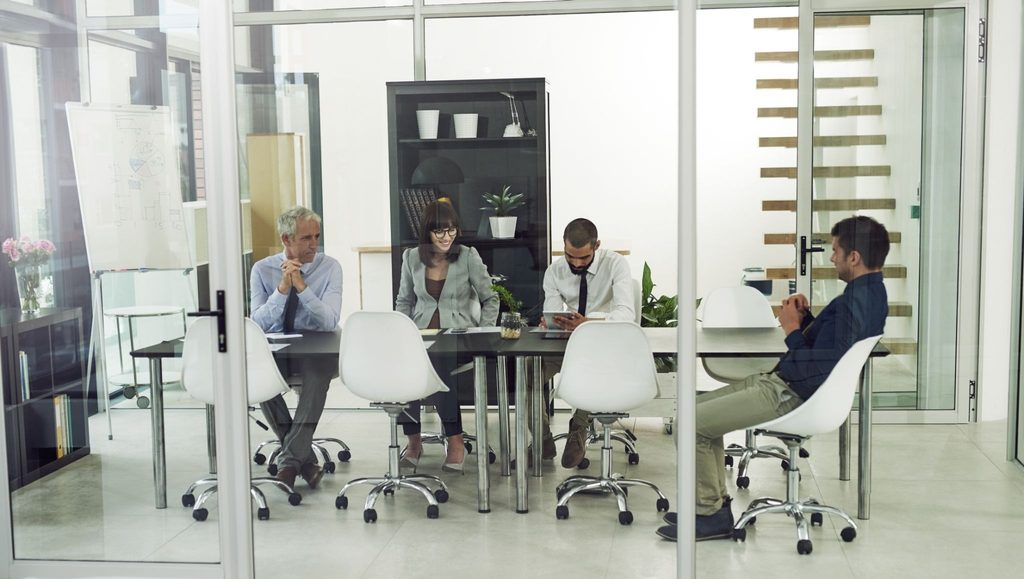
Workspace requirements are influenced by what employees and organisations need to accomplish. Individual work, team collaboration, client meetings and training sessions place different demands on physical space, furniture, technology and accessibility.
This is particularly relevant when assessing startup office space in Singapore, where businesses may need to accommodate changing team sizes and a combination of individual and collaborative activities. Identifying these requirements can help organisations select spaces that are appropriate for their actual working patterns.
What Workspace Requirements Support Individual and Focused Work?
Individual work can include writing, research, data analysis, administration and other tasks that require sustained concentration. These activities generally benefit from environments where noise and interruptions can be managed.
Relevant workspace considerations include:
- Noise management: Acoustic treatments, enclosed rooms or designated quiet areas can help reduce distractions.
- Workstation design: Desks, seating and monitor positioning should support the tasks employees perform.
- Lighting: Appropriate natural and artificial lighting can support visibility and reduce visual discomfort.
- Connectivity: Reliable internet access and suitable power connections are necessary for many office-based tasks.
- Privacy: Some activities involving confidential documents or conversations require greater separation from shared areas.
Working schedules can also affect these requirements. Organisations considering 24/7 office rental in Singapore, for example, may need to assess building access, security procedures and facilities available outside standard business hours.
Overall, focused work requires spaces that prioritise concentration, practical workstation arrangements and access to necessary infrastructure.
How Do Collaborative Activities Affect Workspace Requirements?
Collaborative activities involve communication between two or more people. Examples include project discussions, brainstorming sessions, planning meetings and cross-functional work.
Unlike focused work areas, collaborative spaces need to accommodate interaction. Requirements can vary according to group size and the type of activity.
| Workspace factor | Focused work | Collaborative work |
| Noise level | Controlled or low | Moderate conversation expected |
| Layout | Individual workstations | Shared or group seating |
| Privacy | Often important | Depends on discussion |
| Technology | Individual equipment | Shared screens and conferencing tools |
| Flexibility | Moderate | Often higher |
Hybrid collaboration can create additional requirements. Video conferencing equipment, microphones, displays and reliable connectivity may be needed when some participants are working remotely.
Collaborative work therefore requires spaces designed around communication, group size and the technology used to connect participants.
What Workspace Requirements Are Important for Client Meetings?
Client meetings create different requirements because businesses must accommodate both employees and external visitors. Meeting spaces may be used for consultations, presentations, negotiations or project discussions.
Common considerations include:
- adequate seating for expected participants;
- privacy for confidential conversations;
- displays or presentation equipment;
- reliable internet connectivity;
- convenient visitor access;
- appropriate acoustic separation; and
- accessibility for people with different mobility requirements.
Meeting size also affects space requirements. A short discussion between two people may require only a small meeting room, while presentations involving larger groups need greater seating capacity and audiovisual support.
Businesses may also hold larger client or stakeholder gatherings at a corporate event venue in Singapore rather than within their everyday office. This introduces additional considerations such as capacity, circulation, event format and technical facilities.
In summary, client-facing spaces should be matched to meeting size, purpose, privacy requirements and visitor needs.
What Workspace Requirements Apply to Training and Workshops?
Training and workshops often combine presentations, discussions and practical activities. As a result, these spaces may require more adaptable layouts than conventional individual work areas.
Room configuration can depend on the activity. Classroom-style seating may suit presentations, while group tables can support discussions or practical exercises.
Technology requirements may include:
- projection screens or large displays;
- audio equipment;
- video conferencing facilities;
- sufficient power connections; and
- dependable internet access.
Furniture that can be rearranged may also allow the same room to accommodate different session formats. Capacity, accessibility and clear movement routes should be considered when planning larger sessions.
Training and workshop requirements therefore depend on participant numbers, teaching format, technology and the level of interaction expected.
How Can Businesses Match Workspace Requirements to Their Activities?
Businesses can begin by identifying the activities that take place regularly and determining what each one requires. This approach focuses workspace decisions on operational needs rather than using a single layout for every task.
An assessment can consider:
- the number of people involved in each activity;
- how frequently each space is required;
- privacy and noise requirements;
- technology and connectivity needs;
- operating hours and access requirements; and
- whether layouts need to change between activities.
For example, startup office space may need to support concentrated work, team discussions and meetings within the same working environment. Businesses operating across time zones may place greater emphasis on extended access, while organisations hosting larger gatherings may require separate event facilities.
Matching spaces to activities can help businesses determine which workspace characteristics are necessary for routine operations and which are only required occasionally.
FAQs
What are the main types of business workspaces?
Common types include individual workstations, quiet areas, collaborative spaces, meeting rooms, training rooms and event spaces. Their suitability depends on the activity being performed.
How do businesses determine their workspace requirements?
Businesses can assess team size, working patterns, activities, privacy needs, technology requirements and frequency of space use.
Why do collaborative activities require different spaces?
Collaborative work involves discussion and information sharing, so spaces often need group seating, shared technology and suitable acoustic conditions.
When might a business require 24-hour office access?
Businesses working across time zones, using flexible schedules or conducting operations outside conventional hours may require extended access. Security and building facilities should also be considered.
What should businesses consider when choosing a corporate event space?
Key considerations include capacity, layout, accessibility, audiovisual facilities, connectivity and visitor circulation.
Visit SmartSpace to explore a workspace that supports your day-to-day operations and changing requirements.