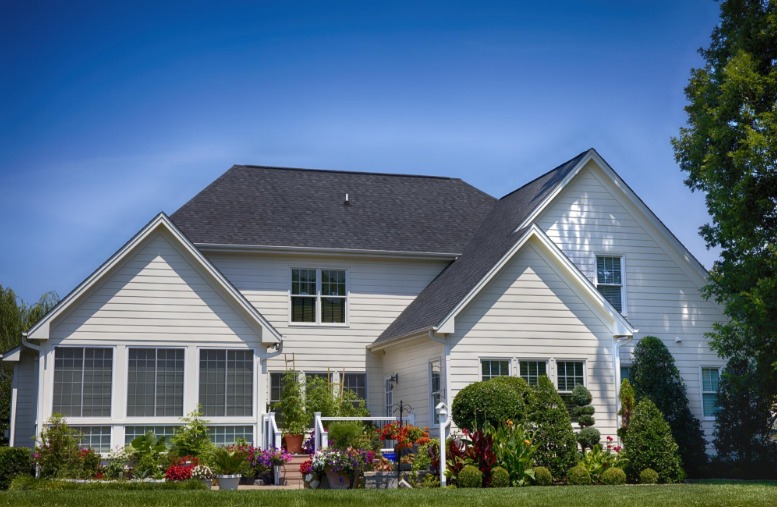
A sustainable home takes clear goals, good planning, and trusted standards. Certified homes save energy, keep air clean, and cut down on environmental impact.
Following green building rules gives homeowners a clear path from design to final check. Today’s green building methods turn regular houses into strong, high-performance homes.
Understanding Baseline Requirements For Sustainable Homes
Green building starts with a clear focus on structure and using resources well. Builders look at the site, the direction the home faces, and how thick the insulation is before they start. Good positioning lets the home take in sunlight. That cuts down on the need for lights and heat all year.
Standard building codes set the minimum for safety and quality. Green standards ask for more when it comes to saving energy and controlling moisture. Meeting those higher goals helps the home stay comfortable with less heating and cooling.
Planning early stops costly changes during construction. Architects plan where ducts, frames, and windows go. That helps reduce waste. Good planning also helps the home meet green building standards.
Choose materials from nearby sources. That cuts transport pollution and helps local businesses. Durable materials stand up to harsh weather and lower repair costs over time. Green building protects both the structure and the environment.
Evaluating Certification Options For Property Owners
Homeowners who care about the environment often compare different green building programs. Researching top well building certification options helps property owners select the right benchmarks for efficiency, comfort, and indoor environmental quality. Each program offers different paths for upgrading homes and choosing materials.
Different programs focus on different parts of building or remodeling. Some focus more on energy use. Others look more at healthy living and low-toxic materials. Picking the right one helps you meet your long-term goals.
Outside inspectors check homes through on-site tests and records. They measure airflow, duct leaks, and water use. Getting certified means your home meets strict standards.
Compare programs to find one that fits your project and budget. Each one has clear goals for saving water, cutting energy, and caring for the land. Having a clear plan makes decision-making easier during major remodeling.
Optimizing Energy Efficiency And Lowering Utility Costs
Lowering energy use is a key goal for green homes. Using less power cuts your bills and makes you less dependent on the grid. Smart design uses efficient equipment and tight sealing to do that.
Long-term data shows how efficiency saves money. A federal program says ENERGY STAR has saved families and businesses over $500 billion on energy and cut over 4 billion metric tons of emissions. These numbers show that home upgrades really add up.
Check your energy use regularly to keep performance high all year. Smart meters and controls help you track daily power use. Spotting spikes fast saves you from extra charges.
Upgrading your electrical system opens the door to better efficiency tools. New panels track use in different areas of your home. Live data helps you make smart choices about when to use power, especially during peak rate hours.
Upgrading Insulation And High Performance HVAC Systems
Heating and cooling use the most energy in a home. High-efficiency heat pumps use far less electricity. When you seal air leaks, modern HVAC units keep the temperature steady without constant cycling.
Money incentives make these big upgrades easier to afford. Federal tax credits give you 30% back on the cost, up to $3,200, for heat pumps, heat pump water heaters, windows, and insulation. Using these credits helps lower the upfront cost.
Insulation is just as important for keeping your home comfortable. Spray foam, cellulose, and rigid foam reduce heat loss through walls. Sealing your attic and basement keeps conditioned air from leaking out.
Integrating Water Conservation And Indoor Air Quality
Saving water and keeping air clean are key parts of sustainable home design. Water-saving faucets and toilets, plus systems that reuse water from sinks and showers, cut down on total water use. Clean air systems filter out dust, pollutants, and moisture before air reaches your living spaces.
Certified green homes show clear savings over time. Program data shows that a LEED-certified home uses 30-40% less electricity. It also avoids more than 100 metric tons of CO2 over its life. Using less energy and water means lower utility bills.
Choosing safe building materials helps keep indoor air healthier. Green certification programs reward builders who use materials with low chemical emissions.
- Paints and finishes with organic content
- Formaldehyde-free composite wood
- High-efficiency particulate air filtration
- Moisture-resistant interior wall boards
Using non-hazardous materials prevents off-gassing and protects long-term respiratory health for occupants.
Selecting Renewable Energy Systems And Smart Tech
Making power at home helps you reach zero net energy. Solar panels on your roof capture sunlight. They turn it into electricity you can use.
Store extra power in batteries. That gives you backup power when the grid goes out. Smart controls stop energy from going to waste in rooms that are empty or devices that are not in use.
Electric vehicle chargers are common in green homes. You can connect them to your main electrical panel. That gets your home ready for electric cars. Solar panels can power the chargers directly. That saves you money on gas for daily driving.
Documenting Compliance And Managing The Verification Process
To get certified, you need to keep good records from start to finish. Builders track material invoices, equipment specs, and design plans before building starts. Organizing these files early makes the final review process go faster.
On-site testing checks that the actual build matches the submitted plans. Independent testers do blower door tests to find air leaks around windows, doors, and framing. Duct leakage tests check how much air the HVAC system loses.
After testing, you send in the results to complete the process. Official approval means the home meets strict energy and environmental standards. Certification paperwork also adds value to the home and proves it was built well.
Keep digital copies of all compliance documents for future use. That includes inspection logs, warranties, and energy rating scorecards. Good records help you show future buyers that the green standards are still in place.