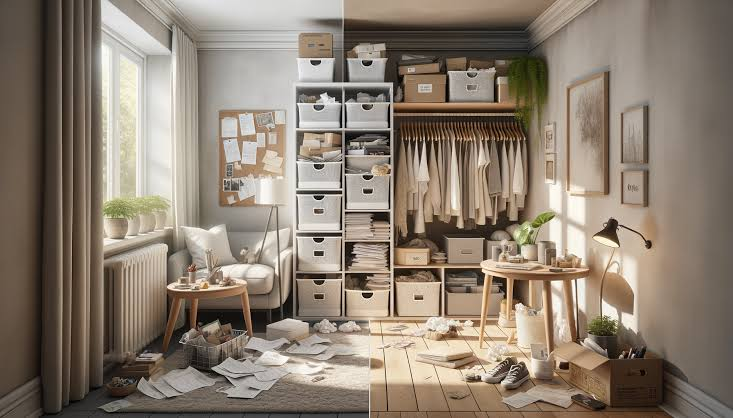
Creating a calm and organized home isn’t about perfection; it’s about designing an environment that supports your life with less friction, clearer surfaces, and fewer decisions each day. When your space is thoughtful and intentional, routines become smoother, stress levels drop, and you can focus on what matters rather than what’s scattered across countertops and couches. This article outlines practical strategies that blend mindset, structure, and small habits so your home becomes a true refuge.
Start with purpose and realistic goals
Before you roll up your sleeves, take a moment to clarify why you want change. Do you crave fewer visual distractions, more usable surfaces, easier cleaning, or better flow between rooms? Identifying a clear purpose helps you prioritize and avoid the trap of half-finished projects. Set realistic goals: tackle one area at a time, commit to short, regular sessions, and plan how you’ll dispose of items you no longer need. When goals are achievable, momentum builds quickly and you’ll see tangible progress that motivates continued effort.
Smart approaches to clear physical clutter
There are methods that make the initial work less painful and more sustainable. Begin by working in small zones—an entryway bench, a single drawer, or a shelf—so wins accumulate. Use simple decision rules: if you haven’t used something in the past year, if it’s broken and unrepaired, or if it duplicates something you already own, it’s a candidate to go. Create three clearly labeled categories: keep, donate or sell, and recycle/trash. When you’re deciding quickly and consistently, the piles move out of your house rather than gathering dust in the garage. For more targeted advice on the process of sorting and prioritizing items, explore how to declutter your home as a step toward long-term calm.
Design storage that supports daily life
Effective storage is less about cramming things away and more about making what you use most accessible. Choose storage that suits the function of the item and the rhythm of the space. Open shelving can display everyday dishes for easy reach but works best when items are few and intentional. Drawers with dividers help small items stay organized without staring at you. Use shallow bins in closets so things aren’t buried and a neutral palette for containers to reduce visual noise. Labeling is underrated: a simple, consistent label system saves time and reduces the number of decisions you must make each day.
Create routines that prevent clutter build-up
The most organized homes rely on small, repeatable habits rather than marathon reorganizing sessions. Implement a ten-minute reset each evening: clear surfaces, return stray items to their homes, and prepare for the next day. A weekly maintenance checklist that fits into a quiet time on the calendar keeps the larger systems functioning without constant effort. Mail can become a chronic source of clutter; designate a single landing spot and process it immediately—sort, act, or recycle. For coming home, a simple ritual such as emptying pockets into a dedicated bowl and hanging outerwear on hooks stops a cascade of clutter in its tracks.
Reduce decision fatigue with smart systems
Decision fatigue is real, and a chaotic space amplifies it. Simplify daily choices by streamlining wardrobes with versatile pieces, meal-planning a few core recipes, and maintaining designated spots for essential items like keys, chargers, and masks. Adopt a one-in-one-out rule for non-consumables: when a new item arrives, consider removing an older one. For sentimental items, consider a memory box with a fixed size; when it fills, reassess and curate the contents. By limiting the number of decisions tied to possessions, you conserve mental energy for more meaningful tasks.
Cultivate a maintenance mindset
Organizing is not a one-time project but a practice. Accept that accumulation will happen and that the aim is to keep it manageable. Schedule seasonal reviews to reassess clothing, papers, and hobby supplies. Keep donation bags or boxes in an accessible place so letting go is easy. When guests arrive, resist the urge to shove items into closets; instead, use the opportunity to practice quick, principle-based decisions about what you truly need. Over time, these regular small acts prevent the need for disruptive decluttering marathons.
Design for calm through aesthetics and light
The feeling of calm is influenced as much by visual cues as by actual order. Let light in where possible, choose a restrained color palette, and keep surfaces clear of unnecessary objects. A few well-placed plants, thoughtful lighting layers, and tactile textiles can soften spaces and invite relaxation. Be mindful of the sensory experience: reduce the number of competing patterns and choose materials that feel soothing to touch. A tidy, well-lit room feels larger and more welcoming, even with the same square footage and fewer possessions.
Make systems personal and flexible
Every household is unique; a system that works for one person won’t always suit another. Test solutions, tweak them, and discard those that add friction. Involve household members in defining the rules and responsibilities so everyone shares the burden and understands the benefits. Encourage small rewards for sustained habits—an organized space becomes its own incentive when it improves your everyday life.
An organized home supports calmer days, clearer thinking, and more intentional living. By clarifying purpose, tackling clutter in small zones, designing supportive storage, and building simple routines, you’ll create a resilient environment that lasts. Keep the process flexible, celebrate progress, and let the space you live in reflect the priorities that matter most.