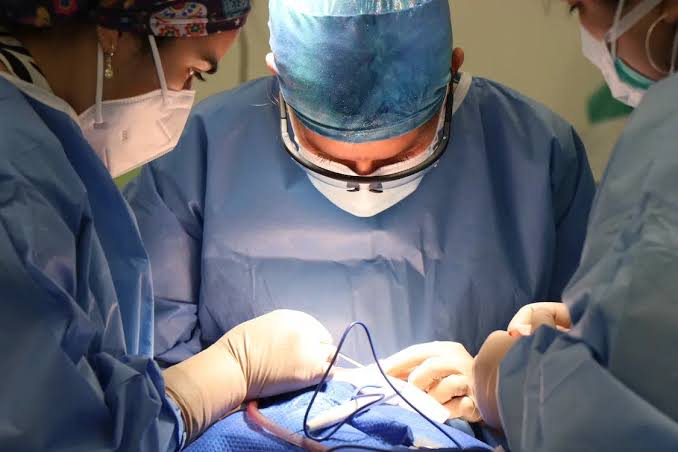
Cosmetic breast surgery is one of the most talked about procedures in medicine. It is also one of the most misunderstood. Friends share stories. Social media spreads rumors. Old myths get repeated so often they start to sound true. This makes it hard for someone considering the surgery to separate fact from fiction.
The truth is that breast surgery today looks nothing like it did decades ago. Techniques have improved. Materials are safer. Recovery times are shorter. Yet the myths remain, often scaring people away from a procedure that could genuinely help them. Let’s clear up seven of the most common ones.
Myth 1: Breast Implants Always Look Fake
This myth comes from decades-old images of overly round, unnaturally high implants. Modern implants come in many shapes, sizes, and profiles. Surgeons now match the implant to a patient’s body frame, chest width, and goals. The result, in most cases, is a shape that looks like it belongs on that person’s body. A skilled surgeon spends real time during consultation figuring out what will look natural for each individual, not just what looks good on a chart.
Myth 2: Implants Need to Be Replaced Every 10 Years
Many people believe implants come with an expiration date. This is not accurate. Modern silicone and saline implants are built to last many years, often decades, without failure. Some patients keep the same implants for 15, 20, or more years with no issues. Replacement becomes necessary only if there is a problem, such as rupture, capsular contracture, or a change the patient wants for personal reasons. Routine replacement on a fixed schedule is not medically required.
Myth 3: Breastfeeding Is Impossible After Augmentation
This myth causes real anxiety for younger patients planning families. In truth, most breast augmentation techniques leave milk ducts and glandular tissue untouched. The implant sits behind the breast tissue or under the chest muscle, not inside the ducts. Many patients breastfeed successfully after augmentation. Certain surgical approaches, like incisions around the areola, carry slightly higher risk to milk ducts, so this is worth discussing directly with a surgeon if breastfeeding is a future goal.
Myth 4: Recovery Takes Months
Recovery timelines get exaggerated often. Most patients return to light daily activities within a few days. Many go back to desk jobs within a week. Full recovery, meaning no restrictions on exercise or heavy lifting, typically takes four to six weeks. This is a far cry from the months some people expect. Swelling and soreness fade steadily during this window, and most patients feel like themselves again well before the six-week mark.
Myth 5: Surgery Always Leaves Large, Visible Scars
Scarring worries many people considering surgery, and this fear often keeps them from asking questions. Modern surgical techniques use small, carefully placed incisions. Common locations include the fold under the breast, around the areola, or the armpit. Surgeons choose placement based on implant type, breast anatomy, and patient preference. Scars fade over time and, in most cases, are barely visible within a year. Choosing an experienced surgeon who researches individual anatomy carefully, such as one offering breast augmentation in Red Deer, also plays a large role in minimizing visible scarring.
Myth 6: Only Younger Women Get Breast Surgery
This myth ignores a large and growing group of patients. Women choose breast surgery at many life stages. Some seek augmentation in their twenties. Others come in after pregnancy and breastfeeding change their shape. Some choose surgery after major weight loss. Others want a lift or reduction later in life for comfort and confidence. Age is far less important than overall health and personal goals. Surgeons evaluate each patient individually, not by a age bracket.
Myth 7: The Procedure Is Purely Cosmetic With No Real Benefit
People often assume this surgery only changes appearance. For many patients, the benefits go beyond looks. Breast reduction, for example, often relieves chronic back and neck pain caused by heavy breast tissue. It can improve posture and reduce skin irritation under the breast fold. Augmentation can restore confidence lost after mastectomy, pregnancy, or significant weight change. Many patients report better posture, less physical discomfort, and a stronger sense of self after surgery. The benefits reach well past the mirror.
Why These Myths Persist
Myths spread because breast surgery carries emotional weight. People do not talk about it as openly as they talk about other medical procedures. This silence leaves gaps that get filled with rumor and guesswork. Add outdated images from decades past, and it is easy to see how misinformation takes hold.
The best way to fight these myths is through direct conversation with a qualified surgeon. A good consultation covers implant options, incision types, recovery expectations, and long-term care. It also gives space to ask hard questions, including ones shaped by myths a patient may have heard. No good surgeon minds these questions. They expect them.
Making an Informed Decision
Anyone considering breast surgery deserves accurate information, not decades-old assumptions. Reading real patient outcomes, looking at current before-and-after photos, and speaking with a board-certified surgeon all help build a clearer picture. Questions about implant safety, scarring, recovery, and breastfeeding should never feel off-limits during a consultation.
Cosmetic breast surgery has changed a great deal over the years. Techniques are refined. Safety records are strong. Recovery is faster than most people expect. The myths surrounding this procedure often say more about outdated information than about the surgery itself.
Final Thoughts
Separating fact from fiction matters when making decisions about your own body. The seven myths covered here represent some of the most common misunderstandings patients bring into a consultation room. Each one falls apart under closer examination. What remains is a procedure that, when done by a skilled and honest surgeon, offers real, lasting results tailored to each patient’s body and goals.