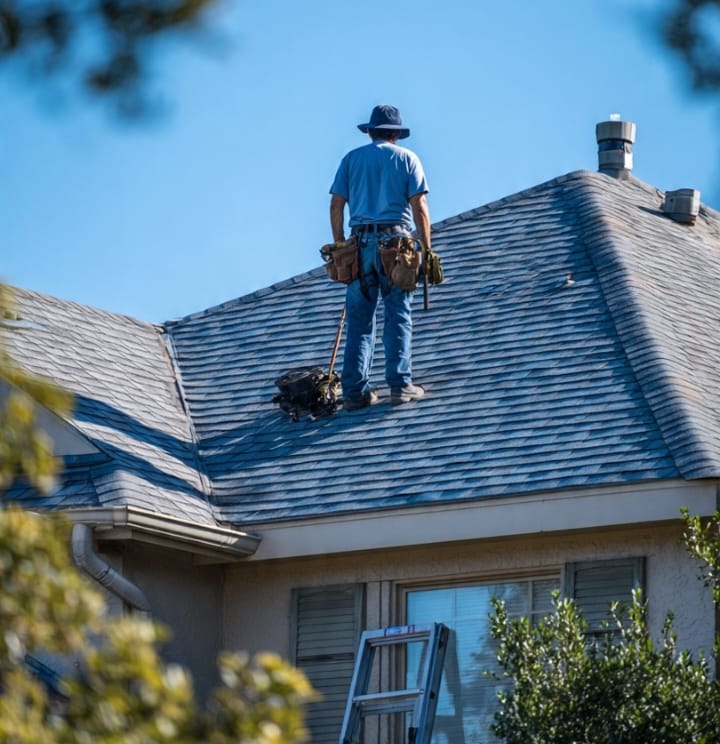
Choosing a roofer in Houston is different from choosing one in a milder climate. Wind, hail, humidity, and local building rules all affect how a roof performs. The right contractor can protect your home for decades. The wrong one can leave you with avoidable repair costs, weak warranty coverage, and stress when the next storm arrives.
This guide covers Houston permit requirements, Texas insurance rules, proposal review, and warranty terms that matter after the job is done. The goal is to choose a roofer for long-term protection, not just the lowest bid.
Start With Your Endgame: Repair, Extend, or Replace
Before you call anyone, decide what you are trying to accomplish. Roof projects usually fall into three groups: minor repairs for isolated leaks or damage, life-extension work for an aging but sound roof, and full replacement when damage is widespread, the deck is compromised, or the roof is near the end of its service life.
Knowing your goal keeps the conversation focused, helps you compare bids with the same scope, and sets realistic budget expectations before a salesperson frames the decision for you.
Confirm Houston’s Legal Must-Haves
Houston requires a residential roofing permit for re-roof and overlay work, including plan review and inspection. Permits are valid for six months and list a $33.56 administrative fee. Roof-covering work that does not exceed an aggregate of 100 square feet is exempt.
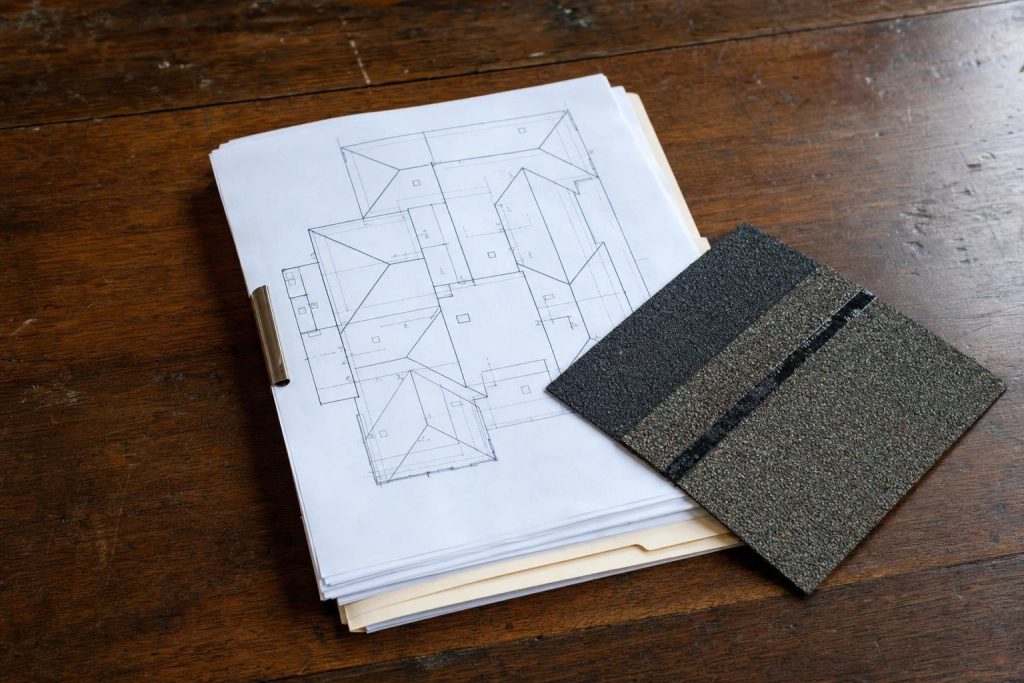
A reputable contractor pulls the permit in the proper name and expects the inspection. If a company suggests skipping the permit to save time or money, treat that as a red flag.
Codes matter as well. The City of Houston enforces the 2021 International Residential Code with Houston Amendments, effective January 1, 2024. The Texas Windstorm Insurance Association (TWIA) applies only to the 14 coastal counties and parts of Harris County east of Highway 146 within certain city limits, so verify your address before assuming TWIA rules apply.
Vet Credentials the Texas Way
Many homeowners miss this point: Texas does not require a state license or registration to work as a roofer. Instead, the Roofing Contractors Association of Texas (RCAT) runs a voluntary licensing program and advises homeowners to verify insurance and read contracts carefully. RCAT status is not required, but it can signal an added standard.
Also require written proof of general liability and workers’ compensation insurance, plus a physical local address. A verifiable local presence matters when you need someone to stand behind the work years later.
Insurance Law: What Your Roofer Can and Cannot Do
The Texas Department of Insurance (TDI) is clear: a contractor may not act as a public adjuster on a property where they provide or may provide work, and they may not negotiate your claim on your behalf. It is also illegal for a contractor to waive or absorb your insurance deductible.
If a company offers to handle everything with your insurer or promises to make your deductible disappear, decline. Deal with your insurer directly, keep your own records, and report possible violations to TDI or the Texas Attorney General.
How to Evaluate Inspections and Proposals
A trustworthy roof assessment is documented, not just explained verbally. Ask for a photo log, condition notes, measurements, and on-roof verification of flashing, decking, ventilation, and problem areas that photos alone can miss.
When you compare bids, insist on apples-to-apples detail. Each proposal should itemize ventilation, flashing, underlayment, ridge and valley treatment, leak barriers, workmanship scope, material choices, cleanup, and payment schedule. A vague one-line quote is hard to compare fairly and often hides gaps.
Warranties That Actually Protect You
Roof warranties come in two main types, and they are not interchangeable. Material warranties are backed by the manufacturer and cover product defects. Workmanship warranties are backed by the contractor or a manufacturer-backed program and cover installation.

Read the terms before you sign. Some wind warranties apply only when shingles and accessories are installed as a complete system. Some workmanship coverage is available only through credentialed contractors. Transfer rules also matter for resale because certain warranties require a transfer request soon after the home changes ownership.
Repair vs. Rejuvenate vs. Replace: Picking the Right Path
The right path depends on the roof’s age, condition, and risk. Targeted repairs make sense when damage is isolated and the rest of the roof is sound. Rejuvenation treatments may extend the life of an aging asphalt roof that is not yet failing. Replacement becomes smarter when damage is widespread, the deck is compromised, or repeated repairs are no longer cost-effective.
A structured method helps more than a gut call. Houston homeowners can compare firms that combine aerial measurements with a repair-rejuvenate-replace framework, and Houston Roofing Company is one option worth reviewing when you want to see how a data-driven process is presented. Always verify services, availability, insurance, permits, and code compliance locally. A data-driven assessment is useful, but the contractor still cannot negotiate your insurance claim for you.
Post-Storm Readiness for Houston
After a storm warning, safety comes first. Within 24 to 48 hours, do a ground-level check, photograph visible damage, note interior signs such as ceiling stains, and contact your insurer before signing anything with a contractor. Before hurricane season, ask what should be checked from the ground and what requires a professional visit as part of seasonal roof upkeep.
How to Compare Two or Three Finalists
Once you have a short list, score each candidate on the same points: local references, RCAT status, the named site supervisor, permit handling, scope clarity, schedule, cleanup plan, warranty registration, maintenance plan, and payment terms. Use that same scorecard for RooferCraft and any other finalist you are considering.
Quick Verdict: Your Vetting Checklist
- Decide your goal first: repair, extend, or replace.
- Confirm the roofer pulls the required Houston permit and expects inspection.
- Check RCAT status and verified general liability and workers’ compensation insurance.
- Reject any offer to negotiate your claim or waive your deductible.
- Demand itemized, apples-to-apples proposals with a documented inspection.
- Read material and workmanship warranty terms, including transfer windows.
- Score finalists on the same criteria before you sign.
FAQ
Do Houston roofers need a state license?
No. Texas does not require a state roofing license, so verify insurance, local references, permit handling, and any voluntary RCAT license.
Who pulls the roofing permit in Houston?
For re-roof and overlay work, the contractor should pull the City of Houston permit and plan for inspection unless the work is exempt, such as roof-covering work under 100 square feet.
Can a roofer negotiate my insurance claim?
No. Under Texas rules, a contractor who may perform the work cannot act as your public adjuster or negotiate the claim, and cannot waive your deductible.