The most successful home renovations aren’t remembered simply for how they look—they’re appreciated every day for how well they support the people who live in them. Updated kitchens, statement lighting, premium flooring, and modern finishes often take center stage, helping transform a home’s appearance and increase its appeal.
However, the most successful renovations don’t just look impressive—they make everyday life easier. A thoughtfully designed home should support how people move through spaces, complete daily tasks, and enjoy every room with greater ease and efficiency. By balancing style with practical usability, homeowners can create living spaces that remain enjoyable and adaptable for years to come.
Design Around the Way You Live
Every household develops routines. Whether it’s carrying groceries from the garage, moving laundry between floors, working from home, or entertaining guests, the way people use their homes should influence renovation decisions just as much as design trends. Considering how home improvements can help protect everyday routines also encourages homeowners to prioritize changes that support comfort and independence without altering the character of the space.
Before selecting finishes or fixtures, it helps to evaluate how the home functions on a typical day. Are frequently used items easy to reach? Is there enough storage where it’s needed most? Do hallways, entryways, and shared spaces allow for smooth movement throughout the house?
Simple improvements like better lighting, wider walkways, thoughtfully placed storage, or upgraded flooring can significantly improve everyday convenience while maintaining a clean, modern aesthetic. These practical upgrades often enhance long-term home value because they improve how the home functions—not just how it looks.
Give Staircases the Attention They Deserve
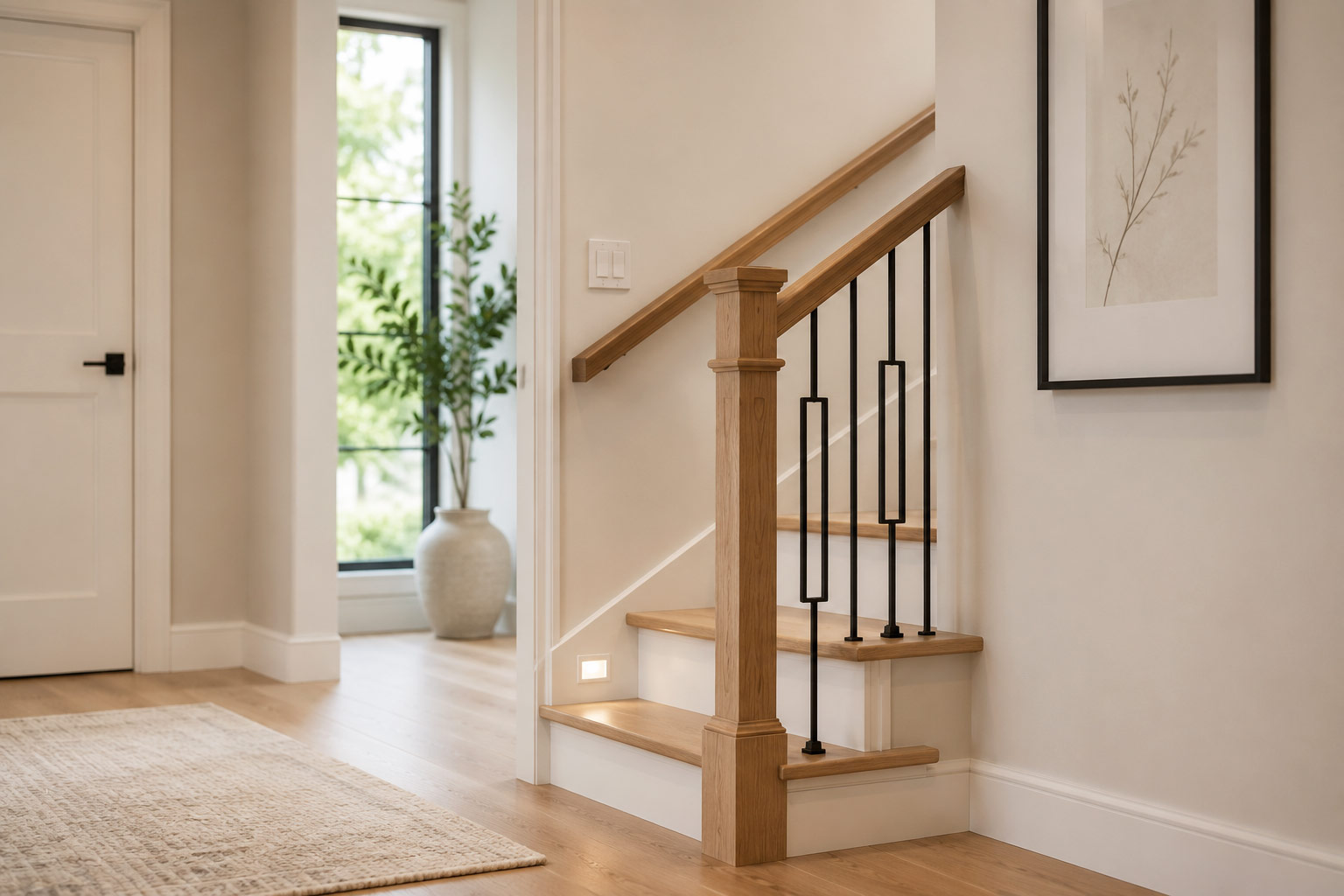
In multi-level homes, staircases naturally become one of the busiest areas of the house. While homeowners often focus on selecting attractive railings or flooring materials, it is equally important to consider how comfortable and practical the staircase will be over time.
Improving lighting, reducing trip hazards, choosing durable tread materials, and installing secure handrails can make a staircase safer and more comfortable without compromising its design. Homeowners should also consider whether the staircase will continue to support the household’s needs over time.
When additional mobility support may be useful, researching available lift configurations and the factors that influence stair chair lift cost can help homeowners include the upgrade within the broader renovation budget rather than treating it as an unexpected expense later. This allows different options to be evaluated alongside other improvements while the renovation plan is still flexible.
Think Beyond Today’s Renovation
One of the best renovation strategies is to invest in improvements that continue adding value long after the project is complete.
Flexible design choices often outperform highly customized upgrades because they adapt more easily to changing lifestyles, growing families, or evolving household needs. Features that improve comfort and usability today can also reduce the need for larger modifications in the future.
For example, rather than committing to extensive structural changes later, some homeowners explore alternatives such as a reconditioned stair lift when looking for practical ways to improve mobility within an existing home. Depending on the property and individual needs, this type of solution can complement a broader renovation strategy while helping homeowners preserve the character of their space.
According to the principles of universal design, homes that accommodate a wider range of abilities and life stages are often more comfortable, functional, and welcoming for everyone—not just those with specific mobility needs. Incorporating flexibility into renovation planning helps create spaces that remain useful as household requirements evolve.
Balance Style With Practical Value
Great home design isn’t about choosing between beauty and functionality. The strongest renovations achieve both.
A visually appealing kitchen is even better when storage is organized around everyday cooking habits. A beautifully renovated bathroom becomes more valuable when it’s designed for comfort and ease of use. Likewise, attractive staircases and circulation spaces should also support safe and convenient movement throughout the home.
By viewing home improvements through both a design and usability lens, homeowners can make smarter investment decisions that improve daily living without compromising aesthetics.
Renovations That Continue to Deliver
The best home improvements aren’t always the ones that receive the most compliments—they’re often the ones people appreciate every single day.
When renovations prioritize convenience alongside visual appeal, they create homes that feel more comfortable, function more efficiently, and remain adaptable over time. Thoughtful planning helps ensure that every improvement contributes not only to the home’s appearance but also to the overall experience of living in it.
Ultimately, successful renovations aren’t defined solely by their visual appeal—they’re measured by how effortlessly they continue supporting everyday life for years to come. The homes that stand the test of time are those designed not only to impress, but to serve the people who live in them every single day.
