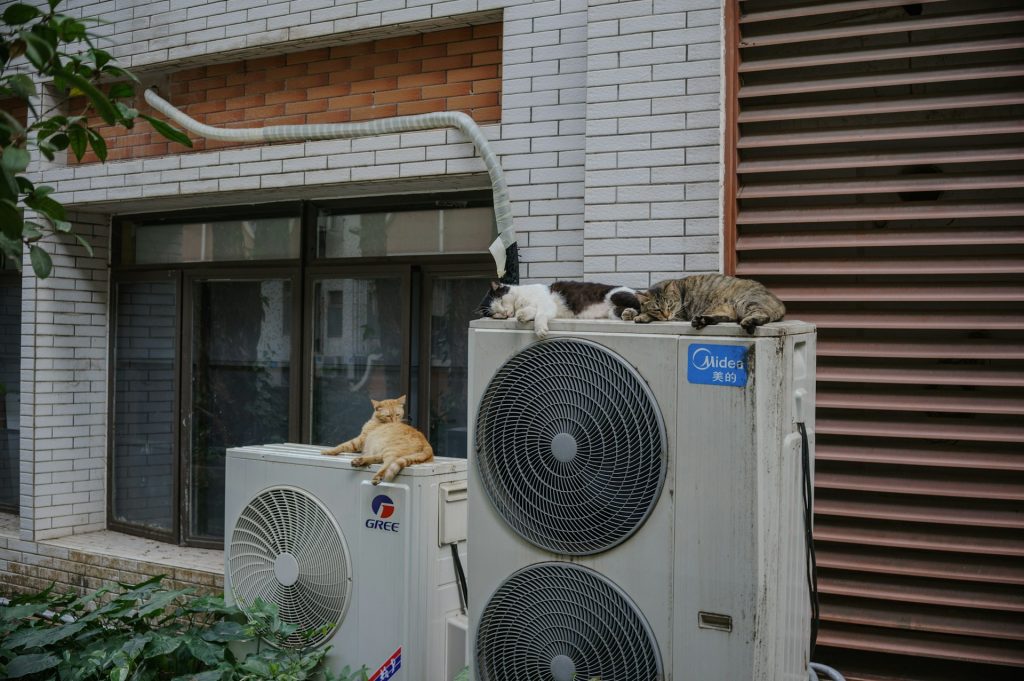
Replacing a traditional heating system is a major home improvement decision. Furnaces and boilers can operate for many years, so homeowners are often unfamiliar with the replacement process until their existing equipment becomes unreliable, inefficient, or too expensive to repair. Heat pumps have become an increasingly common alternative because they can provide both heating and cooling through one system, but making the switch requires more planning than simply removing old equipment and installing a new unit.
A heat pump performs differently from a furnace or boiler. Instead of generating heat by burning fuel or using electrical resistance, it transfers heat between the home and the outdoor environment. This approach can improve energy efficiency and provide more consistent indoor temperatures, but the system must be properly selected, sized, and installed for the property.
Before replacing a traditional heating system, homeowners should understand how heat pumps operate, whether their home is suitable, what upgrades may be required, and what to expect during the installation process.
Understand How a Heat Pump Heats a Home
A conventional furnace creates heat and distributes it through ductwork. A boiler heats water and circulates it through radiators or in-floor systems. A heat pump works differently. It extracts heat from the outdoor air or ground and moves that heat indoors.
Even when the weather feels cold, outdoor air still contains thermal energy. An air-source heat pump captures that energy and uses refrigerant, a compressor, and a heat exchanger to increase its temperature before distributing it throughout the home. In warmer weather, the process reverses, allowing the system to remove heat from indoor air and provide cooling.
This difference affects how the home feels. Furnaces often produce short bursts of very warm air, while heat pumps tend to run for longer periods and deliver heat more gradually. The result can be a more even indoor temperature, although homeowners accustomed to hot air coming from their vents may need time to adjust.
A heat pump should not be evaluated based only on how warm the air feels at the register. Its performance is better measured by whether it maintains a comfortable and stable indoor temperature while using energy efficiently.
Determine Whether the Home Is a Good Candidate
Heat pumps can work in many types of homes, but no two properties have identical requirements. The condition of the building envelope, existing distribution system, electrical capacity, climate, floor plan, and household comfort preferences all influence which system will work best.
A newer or well-insulated home may require less heating capacity than an older property with air leaks, inadequate insulation, and older windows. Installing a larger system does not automatically solve these problems. In fact, oversizing can reduce efficiency, increase wear, and create uneven temperatures.
Before choosing equipment, homeowners should evaluate:
- The age and condition of the home
- Existing insulation levels
- Air leakage around doors, windows, and penetrations
- The condition and layout of ductwork
- The size and number of conditioned rooms
- Electrical panel capacity
- Current heating and cooling costs
- Areas of the home that are consistently too hot or too cold
This assessment helps determine whether the property is ready for a heat pump or whether certain improvements should be completed first.
Improve Insulation and Air Sealing Before Installation
A heating system can only perform as well as the building it serves. If a home loses heat rapidly through the attic, walls, basement, windows, or gaps around exterior openings, the equipment will need to work harder to maintain the desired temperature.
Improving insulation and reducing air leakage before installation can lower the heating load and may allow the homeowner to choose a smaller system. It can also improve comfort by reducing drafts and temperature differences between rooms.
Common areas to inspect include attic hatches, recessed lighting, exterior wall penetrations, basement rim joists, door frames, window frames, and openings around plumbing or electrical lines. A professional energy assessment may reveal heat-loss problems that are not obvious during a visual inspection.
Homeowners do not necessarily need to complete a full renovation before switching systems. However, major deficiencies should be identified early because they can affect equipment selection and long-term operating costs.
Do Not Choose a System Based Only on the Size of the Old Equipment
One of the most important parts of the replacement process is calculating the home’s actual heating and cooling requirements. The capacity of the existing furnace or boiler should not automatically determine the size of the new heat pump.
Older heating systems were often oversized. Contractors sometimes selected larger equipment as a precaution, but excessive capacity can lead to short operating cycles, inconsistent temperatures, unnecessary energy use, and faster component wear.
A proper load calculation considers factors such as:
- Square footage
- Insulation values
- Window size and orientation
- Ceiling height
- Air leakage
- Local design temperatures
- Number of occupants
- Internal heat gains
- Building orientation
The calculation should determine both heating and cooling loads. Because a heat pump provides both functions, the selected equipment must balance winter heating needs with summer cooling requirements.
Homeowners comparing providers should ask how the proposed system was sized. A recommendation based only on the square footage of the home or the capacity of the existing furnace may not be sufficient. Reputable heat pump services should include a detailed assessment of the property rather than a one-size-fits-all recommendation.
Consider the Existing Distribution System
The way heat moves through the home will influence the type of heat pump that is most appropriate.
Homes with existing forced-air ductwork may be suitable for a central ducted heat pump. However, the duct system must be inspected before new equipment is connected. Undersized ducts, poor airflow, disconnected sections, inadequate returns, and leaks can reduce performance.
A heat pump may require a different volume of airflow than the old furnace. Even if the ductwork appeared to function adequately before, it may need modifications to support the new system.
Homes without ductwork may be better suited to ductless mini-split systems. These systems use one or more indoor units connected to an outdoor unit. They can be useful in older homes, additions, converted spaces, and properties with boilers or baseboard heating.
Ductless systems can also provide zoned control, allowing different areas to operate at different temperatures. However, indoor unit placement should be carefully planned. A poorly positioned unit may not distribute air effectively, and installing too few indoor units can leave closed rooms uncomfortable.
Some homes may benefit from a hybrid design that combines ducted and ductless equipment. The best solution depends on the layout of the property and how the occupants use each space.
Decide Whether to Keep a Backup Heating System
Some homeowners replace their furnace or boiler completely, while others keep part of the traditional system as a backup. The right decision depends on climate conditions, equipment performance, energy rates, the condition of the existing system, and the homeowner’s tolerance for risk.
Modern cold-weather heat pumps can operate at much lower outdoor temperatures than earlier models. However, their heating capacity and efficiency may change as temperatures fall. A carefully selected system may meet the entire heating load, while another property may require supplemental heat during extreme conditions.
Backup heat can be provided through several methods, including:
- Electric resistance elements
- An existing furnace
- A boiler
- A fireplace or other secondary heating appliance
- A dual-fuel system that switches between the heat pump and a combustion appliance
The backup strategy should be established before installation. Homeowners should understand when supplemental heating will activate, how it will affect energy use, and whether it requires manual or automatic control.
Keeping an old system may provide reassurance, but it can also add maintenance costs and mechanical complexity. Removing it may create more usable space and simplify the home’s mechanical systems. The decision should be based on a realistic assessment of the property rather than a general assumption that every heat pump requires fossil-fuel backup.
Plan for Electrical Requirements and Possible Upgrades
A heat pump uses electricity to operate, so the home’s electrical system should be reviewed before installation. Some properties already have enough available capacity, while others may require changes to the electrical panel, wiring, disconnects, or service size.
This is especially important in older homes or in properties that already have several high-demand electrical appliances. Electric water heaters, induction ranges, vehicle chargers, hot tubs, and resistance heating can all affect the amount of available capacity.
An electrical assessment may consider:
- The size of the main electrical service
- Available breaker space
- The power requirements of the proposed heat pump
- Whether electric backup heat will be used
- The condition of existing wiring
- The location of indoor and outdoor equipment
- Whether new disconnects or dedicated circuits are required
Homeowners should ask whether electrical work is included in the installation proposal or handled separately. Unexpected electrical upgrades can affect the project budget, so it is better to identify them before equipment is ordered.
In some cases, advanced load-management systems may help a home accommodate new electric equipment without a complete service upgrade. However, this depends on local electrical requirements and the overall design of the home.
Think Carefully About Equipment Placement
The location of indoor and outdoor equipment affects performance, noise, appearance, service access, and comfort.
The outdoor unit needs enough open space for proper airflow. It should not be placed in a narrow enclosure, directly beneath a roof edge that sheds snow or water, or in an area where landscaping can block the coil. The unit should also be raised and supported appropriately to prevent snow, debris, or standing water from interfering with operation.
Homeowners may prefer to hide outdoor equipment for aesthetic reasons, especially in carefully landscaped or high-end properties. Screening can sometimes be used, but it must not restrict airflow or prevent a technician from reaching the system.
Noise is another consideration. Modern equipment is often quieter than older systems, but the outdoor unit still contains a fan and compressor. Placing it directly outside a bedroom window, beside a patio, or near a neighbouring property line may create avoidable concerns.
Indoor placement matters as well. Central systems require suitable space for the air handler, while ductless systems need indoor heads positioned where air can circulate effectively. A unit placed too close to a wall, behind furniture, or in a location with poor airflow may not heat or cool the room evenly.
Condensate drainage and refrigerant-line routing must also be planned. Visible line covers, wall penetrations, and drain locations should be discussed before work begins, particularly when preserving the appearance of the home is a priority.
Compare Equipment Performance, Not Just Brand Names
Homeowners often begin by comparing brands, but the equipment name alone does not determine how well a system will perform. Model selection, installation quality, controls, sizing, and maintenance can be equally important.
When reviewing different systems, it is useful to compare:
- Heating capacity at lower outdoor temperatures
- Cooling capacity
- Efficiency ratings
- Operating temperature range
- Sound levels
- Compressor technology
- Warranty coverage
- Availability of replacement parts
- Compatibility with thermostats and smart controls
- Performance of any backup heating system
A system may have impressive efficiency ratings under standard test conditions but perform differently in a particular home. Homeowners should ask how the proposed equipment is expected to operate during both typical and extreme weather.
It is also important to distinguish between maximum output and sustained output. Some variable-capacity systems can increase their performance temporarily, but the system still needs to be matched to the home’s real heating load.
The best equipment is not always the most expensive model or the one with the highest advertised rating. It is the system that is properly selected for the property and supported by competent installation and service.
Understand Why Installation Quality Matters
Heat pumps depend on precise installation. Poor workmanship can reduce efficiency, shorten equipment life, create comfort problems, and lead to avoidable repairs.
A professional heat pump installation should include more than mounting the equipment and connecting power. The installer should verify system sizing, airflow, refrigerant charge, drainage, electrical safety, equipment clearances, thermostat settings, and overall operation.
For ducted systems, airflow should be tested and adjusted. For ductless systems, indoor units should be positioned to provide effective circulation. Refrigerant lines should be installed, evacuated, pressure-tested, and insulated correctly.
Commissioning is also essential. This is the process of confirming that the system operates according to the manufacturer’s specifications and the design requirements of the home.
Homeowners should expect the installer to test:
- Heating and cooling operation
- Supply and return temperatures
- Airflow
- Refrigerant performance
- Thermostat communication
- Defrost operation
- Backup heat, if included
- Condensate drainage
- Electrical connections
- Noise and vibration
The homeowner should also receive clear instructions on how to operate the system. Many performance complaints occur because controls are misunderstood or because the system is operated like a furnace rather than a heat pump.
Learn How Heat Pump Controls Differ From Furnace Controls
A heat pump generally performs best when it maintains a steady temperature rather than recovering from large thermostat setbacks.
With a furnace, some homeowners lower the thermostat significantly overnight or while the home is empty, then raise it again later. A heat pump may need to work for a longer period to recover from a large setback. In some systems, this can trigger supplemental electric heat, which may increase energy use.
Small temperature adjustments are usually more suitable. Variable-capacity systems are designed to operate at lower output for longer periods, making frequent starts and stops unnecessary.
Homeowners should learn:
- How to switch between heating and cooling modes
- How automatic mode works
- When backup heat activates
- How fan settings affect air circulation
- How to clean filters
- Whether multiple indoor zones should use similar settings
- How smart thermostats or manufacturer controls affect performance
For ductless systems, leaving interior doors open may help conditioned air reach adjacent rooms. However, bedrooms or separated spaces may still require their own indoor units or another source of heat.
Budget for the Entire Project
The equipment price is only one part of the total cost. A complete conversion may also involve electrical work, duct modifications, equipment removal, structural supports, drainage, wall repairs, permits, controls, and backup heating.
Potential project costs can include:
- Heat pump equipment
- Labour
- Electrical upgrades
- Duct repairs or redesign
- New thermostat or controls
- Equipment pads or wall brackets
- Refrigerant-line covers
- Removal of old equipment
- Disposal of an old fuel tank
- Chimney or vent modifications
- Backup heating equipment
- Insulation or air-sealing improvements
- Ongoing maintenance
Homeowners should request a written proposal that clearly explains what is and is not included. Comparing only the final price can be misleading when contractors have proposed different scopes of work.
A lower quote may omit electrical upgrades, permits, duct modifications, commissioning, or removal of the existing equipment. A higher quote may include work that reduces the risk of additional expenses later.
Consider What Will Happen to the Existing System
Replacing a furnace is usually straightforward, but removing a boiler or fuel-based heating system can be more complicated.
A boiler may be connected to radiators, in-floor heating, domestic hot water, or several zones. Removing it completely could require changes beyond the heat pump installation itself.
Oil-heated homes may have storage tanks, fuel lines, vents, or chimneys that need to be addressed. Gas systems may require capping lines or making changes to existing venting.
In some cases, homeowners choose to retain the boiler or furnace temporarily while they evaluate the heat pump through a full heating season. This can be practical, but the long-term plan should still be clear. Maintaining two aging systems can become costly.
Homeowners should determine:
- Whether the old system will be removed or retained
- Who is responsible for disposal
- Whether fuel lines must be capped
- Whether a chimney will remain in use
- Whether the old equipment serves another function
- What areas will need cosmetic repair after removal
These details are easier to address during planning than after the installation has begun.
Prepare for Changes in Maintenance
Heat pumps require regular maintenance, although the tasks may differ from those associated with furnaces and boilers.
Filters should be inspected and cleaned or replaced as recommended. Outdoor coils should remain free of leaves, grass, snow, and other obstructions. Condensate drains should be checked, and ductless indoor units may require periodic cleaning.
Professional maintenance may include:
- Inspecting refrigerant components
- Checking electrical connections
- Cleaning coils
- Testing controls
- Confirming airflow
- Inspecting drainage
- Checking defrost operation
- Reviewing system performance
- Identifying unusual noise or vibration
Homeowners should ask about maintenance requirements before selecting a system. Some equipment may require specialized technicians or manufacturer-specific diagnostic tools.
Warranty terms should also be reviewed carefully. Certain warranties may require registration, proof of maintenance, or installation by an approved contractor.
Set Realistic Expectations About Energy Savings
Heat pumps can reduce energy consumption, but the amount saved varies significantly from one home to another.
Savings depend on:
- The efficiency and fuel type of the old system
- Local electricity and fuel prices
- The condition of the building envelope
- The selected equipment
- System sizing
- Thermostat habits
- Backup heat usage
- Weather conditions
- Installation quality
A homeowner replacing electric resistance heating may see a different result from someone replacing a high-efficiency gas furnace. A poorly insulated home may still have high heating costs even after efficient equipment is installed.
Homeowners should be cautious with promises of guaranteed savings. A better approach is to compare estimated annual energy use under realistic conditions and understand the assumptions behind the calculation.
Comfort, cooling capability, reduced fuel dependence, quieter operation, and lower emissions may also be important benefits, even when the financial payback is not immediate.
Make the Decision Based on the Whole Home
Replacing a traditional heating system with a heat pump should be treated as a whole-home project rather than a simple equipment swap.
The strongest results come from considering the building envelope, electrical system, ductwork, room layout, equipment location, climate, controls, backup strategy, and long-term maintenance together.
A well-designed system can provide efficient heating, effective cooling, consistent comfort, and simpler mechanical operation. A poorly planned system may struggle even if the equipment itself is high quality.
Homeowners should take time to compare proposals, ask how the system was sized, understand what upgrades are required, and confirm how the equipment will perform during colder weather. The goal should not be to purchase the largest or most heavily advertised system. It should be to install the system that best matches the property.
With careful planning and qualified installation, replacing a furnace or boiler with a heat pump can be a practical long-term investment in comfort, efficiency, and the overall performance of the home.