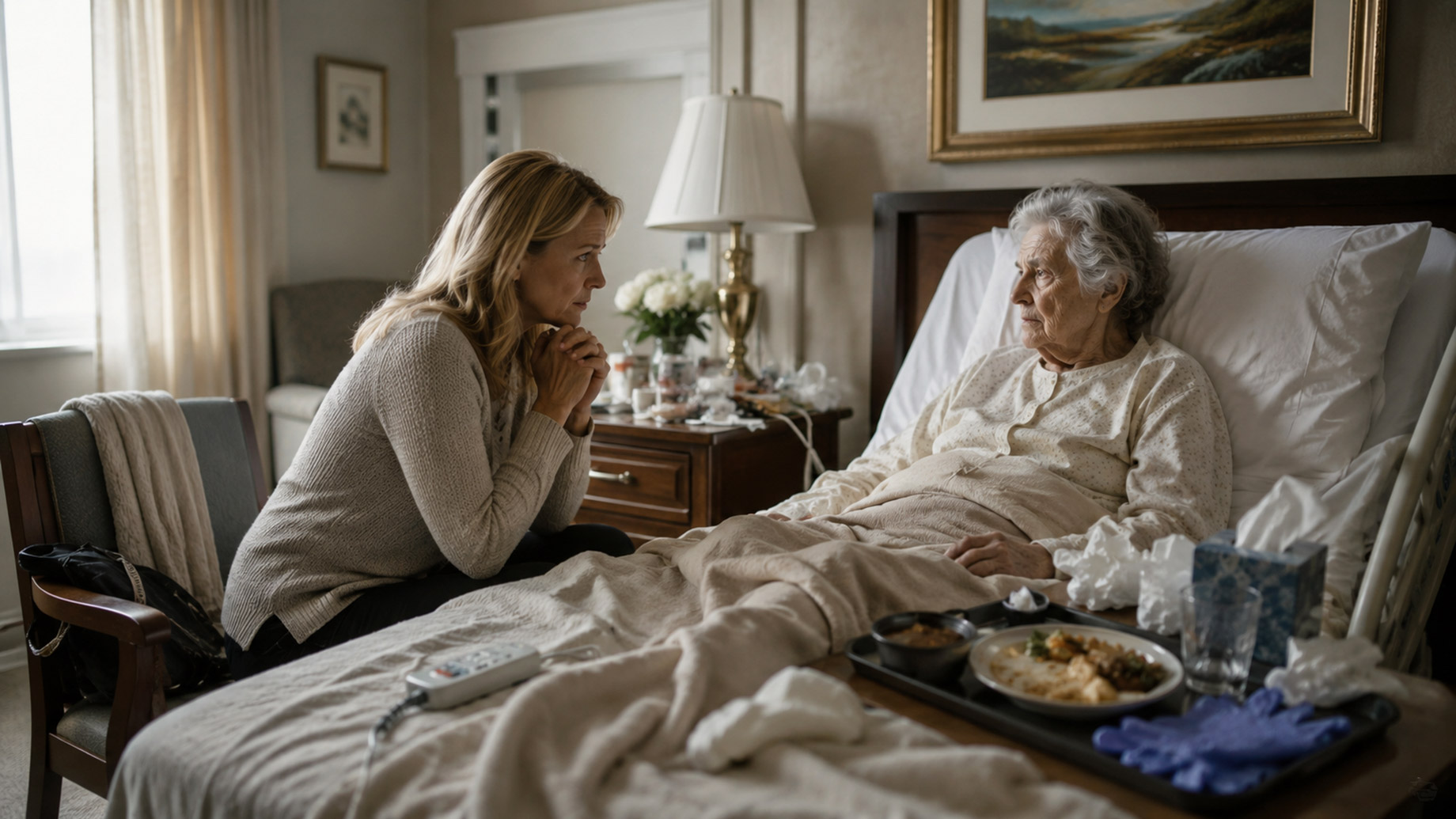
Many Americans spend their final years in nursing homes. While there are some very good facilities throughout the country, many don’t meet care standards. In fact, numerous nursing homes have received citations for violations involving unsanitary living conditions, serious neglect and abuse. By knowing what to look for, you’ll be better able to advocate for your elderly loved ones and get them the help that they need.
Common Types of Infections in Nursing Homes
Infections can indicate deeper issues in long-term care facilities. They typically arise because facilities choose speed and profit over care and safety. The four most common types of infections in nursing homes include:
- Pneumonia and respiratory tract infections – These types of infections are the top cause of death in nursing home residents and a main reason for hospital transfers.
- Diarrheal diseases – These infections can cause dehydration and malnutrition, especially in residents who have difficulty eating or drinking.
- Skin and soft tissue infections – These include scabies, cellulitis, bed sores and diabetic wound infections. They are often caused by poor hygiene.
- Urinary tract infections – Residents who use catheters are especially susceptible to UTIs.
When infection spreads through a nursing home, it is often due to a culture of neglect. Staff may skip cleanings to cover more residents, and supervisors may overlook poor sanitation to meet their cost targets.
What Are Some Signs of Unsanitary Living Conditions in Nursing Homes?
When you visit someone in a nursing home, they should be clean and well cared for. Staff should bathe residents regularly and assist them with basic grooming tasks (like brushing their teeth or hair).
The facility should smell pleasant, and all surfaces should be clean. If you notice unsanitary living conditions, it may be a sign of nursing home neglect. Other warning signs to look out for include:
- Unexplained bruises, cuts or fractures
- Advanced and untreated bedsores
- Dirty clothing and bedding
- Repeated infections (like UTIs or skin infections)
- Hesitation to speak in front of staff members
- Withdrawal, anxiety, depression or fearfulness
- Lack of clean water, food or supplies
- Delays in receiving medical care
- Staff shortages and visibly overwhelmed caregivers
You may also notice some warning signs from staff or administration. They may refuse private visits, give inconsistent explanations for injuries or living conditions and get defensive when you raise a concern. If you notice any of these signs, then there may be reason to suspect the facility is delivering substandard care.
How To Advocate for Nursing Home Residents
If you think your loved one isn’t getting proper care and living in unsanitary conditions, there are several things you can do to advocate on their behalf.
Assess Your Loved One’s Immediate Safety
First, determine whether your loved one is in immediate danger. If they are severely dehydrated, have untreated injuries, breathing issues or are being actively abused, call 911 or seek emergency medical care.
Document Everything
Keep detailed records of everything you see. These records should include things like:
- Dates and times of incidents
- Names of staff members involved
- Pictures of bedsores, injuries or other unsafe conditions
- Notes about poor hygiene, missed medications and delayed responses
- Statements from your loved one
Documenting everything will be important if you need to take your concerns to a higher authority later on.
Speak With Staff Members
You should first voice your concerns to the direct caregiver (or charge nurse). Ask them specific questions (like an explanation for any injuries or a change in your loved one’s condition). Make sure to clarify their care plan and medication schedule. If your concerns seem to go unheard, you can take things a step further and speak with the director of nursing, the facility administrator or a social worker. Although you may be upset, it’s important to stay calm (but direct) when speaking to staff. Ask for a written follow-up to your concerns if possible.
Request a Care Plan Meeting
Federal law allows residents and families to participate in care planning at Medicare-certified facilities. During your care plan meeting, ask to see the following information:
- A review of your loved one’s medication
- The facility’s fall prevention measures
- Their nutrition and hydration plan
- Updates on physical therapy and wound care
- Any staffing information regarding your loved one’s care
A care plan meeting is a good way to help you compare the staff’s documented care roadmap against your loved one’s actual condition. This information helps you discover discrepancies, hold staff accountable and determine if their basic needs are actually being met.
Watch for Any Patterns
Mistakes happen, but repeated problems are a cause for concern. Keep an eye out for frequent falls, weight loss, bedsores, unanswered call lights, medication errors and emotional distress. These are all signs of a deeper, systemic problem.
Escalate and Intervene if Necessary
Once you’ve calmly expressed your concerns to the unit supervisor and nursing home administrator, see if they can fix the situation. If the neglect is severe, the facility is unresponsive or there is ongoing danger, take the steps necessary to transfer your loved one to a different facility.
If the negligence has left your loved one physically or emotionally harmed, it may be time to contact a nursing home abuse lawyer. They can further investigate whether the facility failed to provide them with proper care. They can also provide empathetic nursing home abuse representation.
We all want the best for our family members, especially as they grow older. There is never an excuse for unsanitary conditions in a nursing home. By recognizing the signs of abuse and knowing how to respond, you’ll be better able to advocate for the care they deserve.
