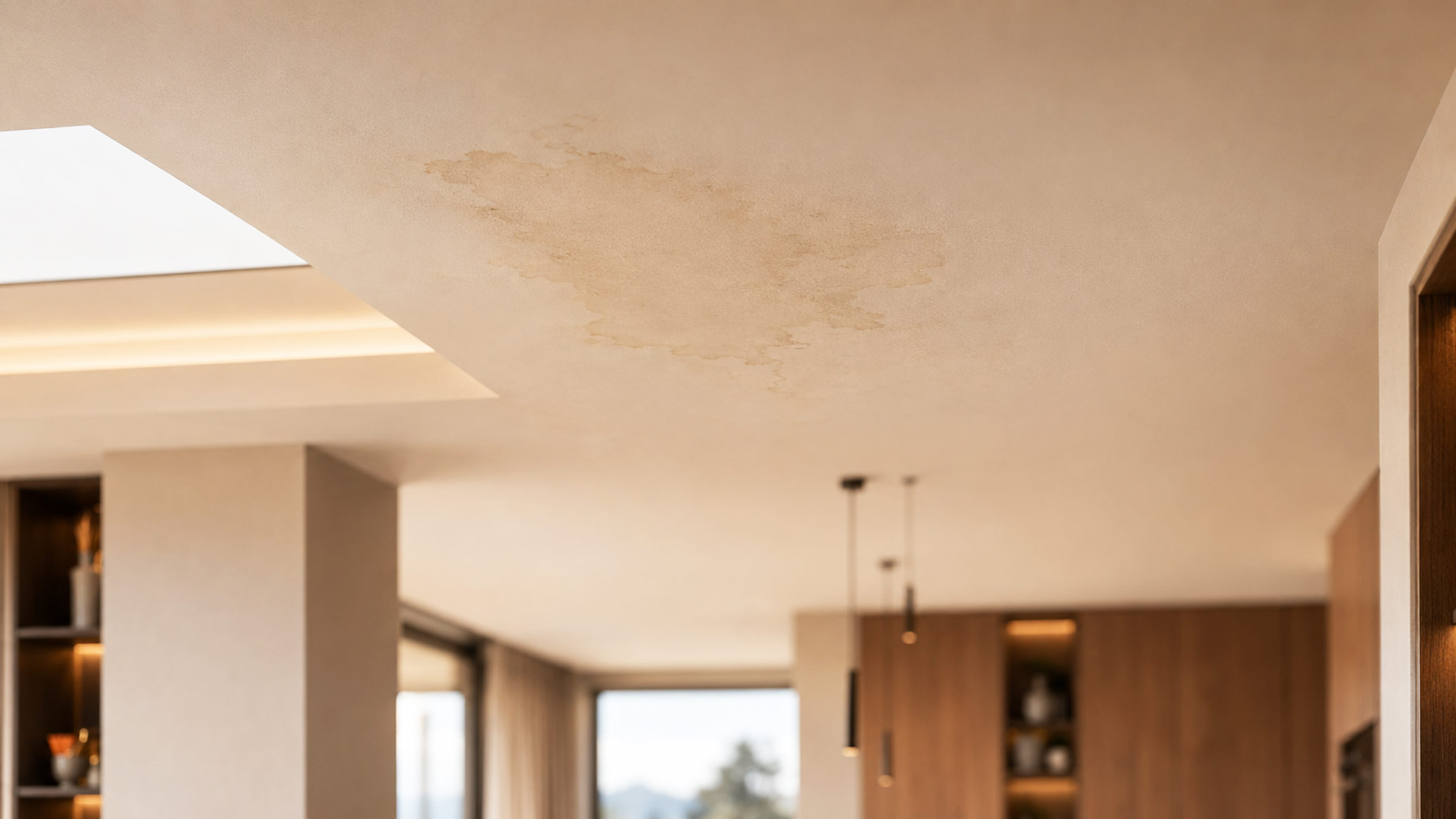
Luxury buyers expect flawless finishes, modern systems, and very few unpleasant surprises. Yet hidden defects can turn a dream sale into a negotiation marathon.
In 2024, American homeowners spent an average of $4,481 on maintenance, repairs, insurance, and related home expenses.
Large luxury properties often contain more systems, specialty materials, and elaborate features, so owners have even more places to look before that “For Sale” sign appears.
Moisture Behind Walls and Beneath Floors
A minor leak can quietly damage drywall, insulation, timber, flooring, and cabinetry. Dark stains, musty odors, loose tiles, or warped boards may point to trouble.
If tests confirm widespread contamination, a professional mold removal company can address the moisture source, contain affected areas, remove damaged material, and dry the structure. Fresh paint alone will not solve the problem. It merely gives the mold a nicer outfit.
Aging Roof Components
Luxury roofs often feature complex valleys, skylights, chimneys, terraces, and multiple materials. Each detail adds character, but each one can also create a leak point. Cracked flashing, loose tiles, blocked drains, and damaged sealant may allow water into attics or wall cavities.
Owners should arrange regular roof checks, especially after severe storms. Repair records also help reassure buyers. A beautiful roof means little if the inspector finds a private indoor waterfall beneath it.
Hidden Plumbing Leaks
Large homes may contain several bathrooms, wet bars, outdoor kitchens, guest suites, and mechanical rooms. That means more pipes, valves, traps, and supply lines that can fail. Check beneath sinks, behind appliances, around toilets, and near water heaters.
Monitor the water meter when every fixture remains off. An unexplained change may reveal a leak. A plumber can also use pressure tests or thermal equipment to locate problems without turning custom walls into Swiss cheese.
Outdated Electrical Infrastructure
A luxury home may look modern while its electrical system quietly struggles behind the walls. Old panels, loose connections, overloaded circuits, damaged outlets, and amateur modifications can concern buyers and insurers.
Smart devices, theater systems, elevators, saunas, and EV chargers place extra demand on the system. Ask a licensed electrician to inspect panels, grounding, surge protection, and high-load circuits. Keep permits and service records. Buyers appreciate chandeliers, but they generally prefer them without sparks.
Neglected HVAC Zones
Many upscale homes use several furnaces, heat pumps, air handlers, thermostats, and ventilation zones. One weak component can create uneven temperatures, excess humidity, high utility costs, or poor indoor air quality.
Replace filters, clear condensate drains, inspect ducts, and schedule professional service before listing. Ask the technician to test every zone rather than the easiest unit near the garage. Buyers will notice if the wine cellar feels warmer than the living room.
Foundation and Drainage Problems
Hairline cracks do not always signal disaster, but expanding cracks, uneven floors, sticky doors, or wall separation deserve attention. Poor exterior drainage can place extra pressure on foundations and basement walls. Inspect gutters, downspouts, grading, retaining walls, and sump pumps.
Make sure water flows away from the house. If movement seems possible, consult a structural engineer. A written expert opinion carries far more weight than the classic seller explanation: “That crack has always looked like that.”
Slow Roof Damage Can Hurt Buyer Confidence
Roof quality affects far more than appearance. It also influences moisture control, insulation, structural protection, and future repair costs. This guide to the connection between roof quality and property value explains why buyers often treat roof condition as a measure of overall care.
Address damaged flashing, weak sealant, loose materials, and clogged drainage before showings. Buyers may forgive bold wallpaper. They rarely forgive an uncertain roof.
Water Damage Can Reach Structural Components
Water can travel far from its original source. A terrace leak may damage the room below, while a failed shower seal may harm joists or subfloor material. The Pinnacle List explains how water damage can affect a home’s structural integrity.
Inspect balconies, showers, windows, skylights, pool equipment areas, and basement walls. Repair the source first, then replace damaged materials. Otherwise, the same problem will return for an expensive encore.
Pools, Spas, and Water Features Need Proof of Care
A neglected pool can quickly lose its resort-style charm. Cracked surfaces, failed pumps, leaking pipes, damaged heaters, and poor water chemistry may signal a large future bill. The same rule applies to spas, fountains, ponds, and irrigation systems.
Test every feature before listing and correct leaks or electrical faults. Keep maintenance reports, equipment warranties, and water-test records together. A buyer should see an elegant amenity, not a giant blue question mark surrounded by marble.
Smart-Home Technology Can Age Quickly
Whole-home automation can control lights, security, blinds, climate, gates, audio, and appliances. However, obsolete controllers, dead sensors, forgotten passwords, and unsupported software can reduce that convenience. Test every feature and update compatible hardware.
Remove old user accounts, document network requirements, and prepare clear transfer instructions. Buyers should not need an archaeology degree to turn off the patio lights. If the system no longer works well, simplify it or replace its main components.
What Does a Home Inspector ACTUALLY Look For?
Conclusion
Luxury resale value depends on more than designer kitchens and dramatic entry halls.
Buyers also want dry walls, sound roofs, reliable systems, and records that prove proper care. Inspect moisture-prone areas, plumbing, electrical equipment, HVAC units, drainage, foundations, amenities, and smart technology before the property reaches the market.
Fix the causes, document the work, and organize warranties. Hidden maintenance problems thrive on delay. Deal with them early, and the home can make its grand entrance without an inspector stealing the spotlight.