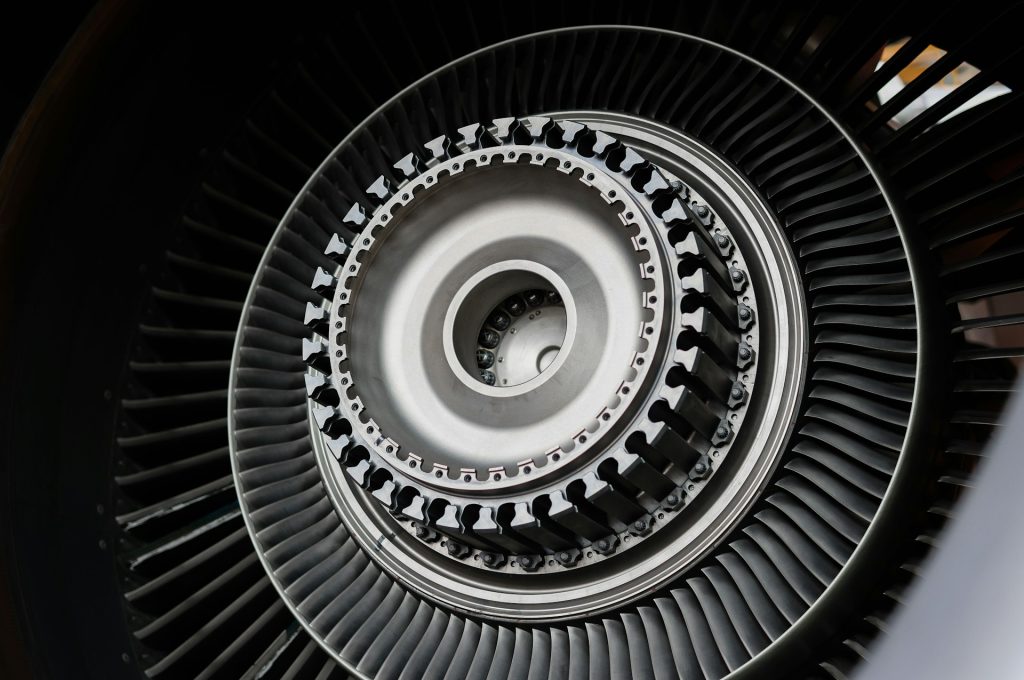
Energy savings in industrial plants often depend on how efficiently equipment converts available resources into useful output. In steam-based power systems, even small losses can affect fuel use, production cost, and operating consistency. This makes component quality an important part of long-term performance planning.
Precision-engineered steam turbine parts are designed to support smoother steam movement, better mechanical stability, and reduced internal losses. When each component fits its role correctly, the turbine can use steam energy with greater control. Poorly manufactured or worn components may cause leakage, friction, vibration, and reduced output. Over time, these issues can increase energy demand.
Let’s learn how engineered turbine components can support energy savings across plant operations.
5 Ways High-quality Turbine Components Help Reduce Energy Loss
The following ways explain how carefully designed components can improve efficiency, reliability, and long-term energy use.
- Smoother Steam Flow through Accurate Component Design
Blades, nozzles, and diaphragms guide steam at controlled angles and speeds. When these components have precise dimensions and smooth surfaces, steam moves with less disturbance. This helps reduce flow resistance inside the turbine.
Precision-engineered parts of a steam turbine help reduce turbulence and support controlled steam expansion. This allows the turbine to extract energy more efficiently during operation.
- Lower Steam Leakage with Tighter Sealing
Seals, glands, and casing joints help keep steam within the correct flow path. If these components wear out or have poor clearances, steam can escape before producing useful work. Even small leakage points can affect pressure balance over time.
Well-designed steam turbine parts support tighter sealing and better pressure control. This helps the turbine use steam more effectively and reduces avoidable energy loss.
- Better Rotational Stability and Reduced Friction
Shafts, bearings, couplings, and rotor assemblies must remain balanced during high-speed operation. Poor alignment can increase vibration, heat, and mechanical resistance. These issues can reduce output and place extra strain on connected parts.
Precision-made steam turbine parts support smoother rotation and lower friction. This helps convert steam energy into shaft power with fewer mechanical losses.
- Improved Heat-to-power Conversion across Turbine Stages
Each turbine stage depends on the correct pressure drop, steam velocity, and blade angle. If these parts do not match the design requirement, energy extraction can be reduced. Proper stage design helps maintain consistent output across operating conditions.
Accurate component geometry helps each stage handle steam expansion properly. This supports better heat-to-power conversion and steady performance under changing loads.
- More Predictable Maintenance and Efficiency Control
Worn components can reduce efficiency before scheduled servicing. This may lead to higher steam use, unstable output, and unplanned downtime. Regular component performance helps teams plan maintenance with fewer surprises.
Durable steam turbine parts support planned inspection and repair. With better material quality and precise tolerances, teams can maintain efficiency for longer operating periods.
Choose Better Components for Long-term Energy Control
Energy efficiency begins with the choices made before a turbine enters regular operation. Component quality, material suitability, and manufacturing accuracy can shape how consistently the equipment performs over time.
Many industry leaders, such as Triveni Turbines, focus on engineered turbine solutions that support reliable and efficient power generation. For plant owners and maintenance teams, the focus should be on selecting steam turbine parts that match the operating load, steam
conditions, and service expectations. This approach can reduce avoidable losses and support better lifecycle value.
With the right components in place, industries can move toward stronger energy control, lower operating strain, and dependable turbine performance.