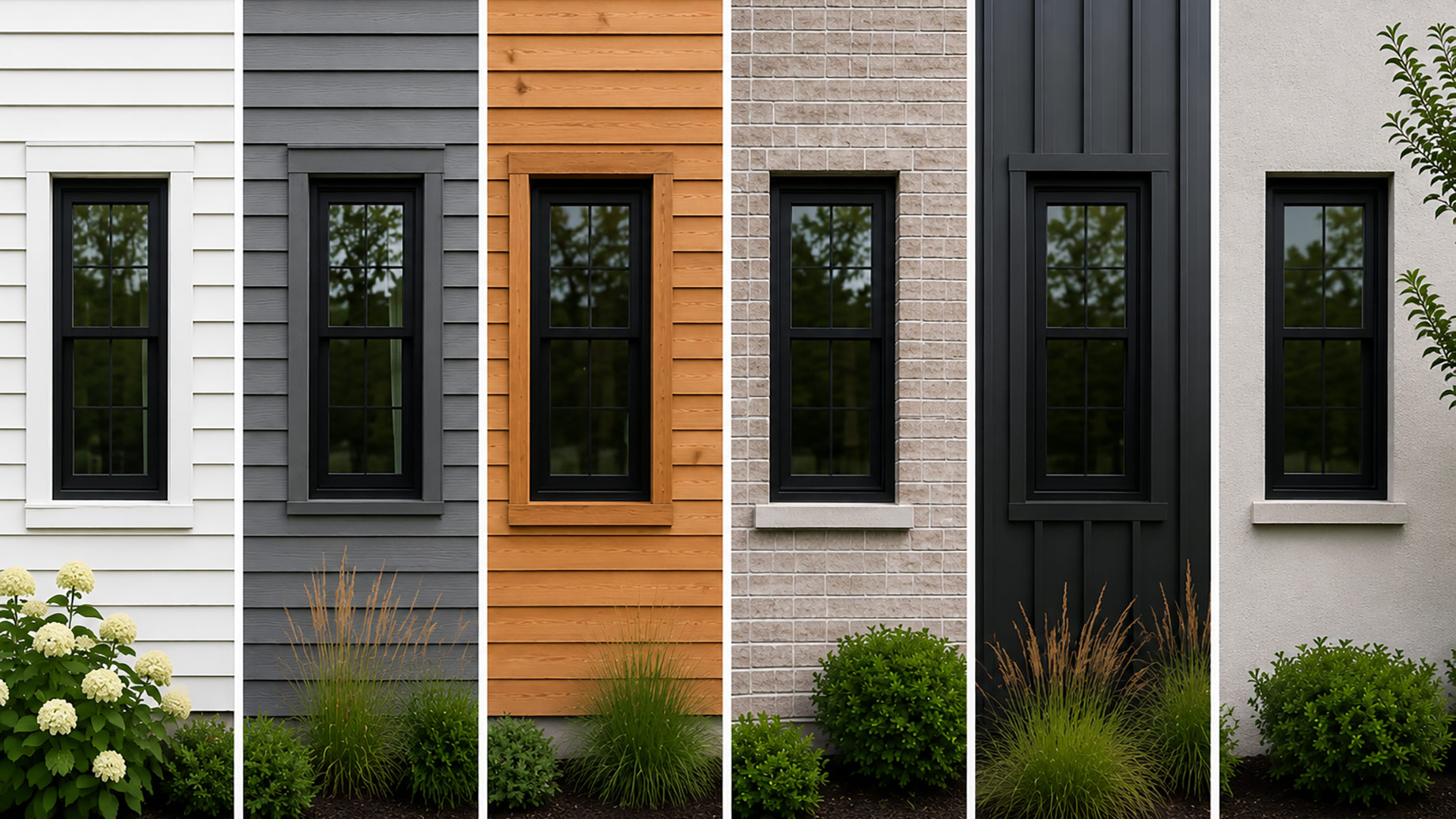
Your home needs a strong shield against the harsh outdoor elements. The right exterior material keeps your family safe and dry all year. It makes your property look beautiful from the street view.
Choosing a new option can feel tough since you have many choices. This guide helps you find the perfect match for your budget. It covers the best choices on the market today.
Understanding Your Home Siding Needs
Every house has unique requirements based on its structural design and age. You must look at your local weather patterns before making a choice. Heavy rain demands a material that resists deep rot. Strong winds require strong fastening systems to keep panels secure.
Think about how long you plan to stay in your current residence. Short-term residents might prefer cheap upfront choices to save money. Long-term owners look for materials that last for several decades. Your personal style matters a lot during this selection process.
You should check your neighborhood association rules before buying anything. Some communities restrict certain colors or materials on exterior walls. You do not want to buy materials that violate local codes. Planning ahead saves you from major headaches down the road.
Take time to look at neighboring houses for inspiration. You want your house to stand out but not clash with the street look. A balanced design increases the resale value of your property. Talk with your family about color choices before ordering any boards.
The Real Cost Of New Siding
Pricing changes based on the size of your house and the specific material. A recent report from a popular home improvement network showed the average cost to replace siding is around $11,503. Most homeowners spend somewhere between $5,570 and $17,595 for materials and labor combined.
Labor charges vary widely depending on the region where you live. Harder materials require specialized tools and more crew hours to install. You should budget extra money for unexpected repairs behind old walls. Rotting wood under old panels needs fixing before new pieces go up.
Material delivery fees can add to the total cost of the project. Getting quotes from multiple companies helps you find the best deal. Do not just pick the lowest bid without checking references. High quality work saves you cash over the lifespan of your home.
Consider the long-term energy savings of different products. Some options help lower your utility bills month after month. This savings can offset a higher upfront price over ten years. View the initial cost as a long-term investment in comfort.
Why Vinyl Siding Rules The Market
Many neighborhoods feature this specific material on almost every street. An industry publication shared data showing more than 30% of American homes use vinyl exterior panels. This makes it the top choice across North America right now.
Homeowners choose it since it offers great value for the price. It handles cold winters and hot summers without cracking or splitting. The fast installation process keeps labor costs low for working families. You can find these panels at almost any local home supply store.
The material keeps its color well even after years of bright sunshine. You will not see scratches easily since the color goes all the way through the panel. This feature makes it a smart choice for busy neighborhoods with kids playing outside.
It resists pests that typically damage traditional wood homes. Termites cannot chew through the thick polyvinyl chloride layers. This keeps your home frame safe from hidden structural damage over time.
Key Benefits Of Choosing Vinyl
This material uses polyvinyl chloride to create a tough protective shield. A large home supply guide mentions it requires no painting or caulking after installation. This saves you time and money on weekend home chores.
You never have to worry about termites eating these synthetic panels. Water slides off the surface without causing deep wood rot underneath. The lightweight design puts less stress on your home foundation.
- Low maintenance costs
- Easy cleaning process
- Great weather resistance
- Affordable installation price
- Long-lasting protection
Cleaning the walls requires nothing more than a simple garden hose. Soap and water remove dark mold spots easily in the spring. You can complete this task without hiring expensive professional exterior cleaners.
The flexibility of the panels helps them absorb impacts without breaking. Heavy lawn mower stones often bounce off without leaving marks. This durability gives homeowners peace of mind during yard work.
Style Choices For Modern Vinyl
Older plastic products sometimes looked plain or fake from a distance. An exterior design update stated that modern options come in over 300 colors. They feature special wood-grain textures that look just like real cedar boards.
You can mix different styles on the same house structure. Use horizontal lines on the main walls and vertical boards on the peaks. This design trick gives your property a custom look without massive added cost.
Shingle styles look beautiful on traditional or cottage homes. They mimic the appearance of hand-split wood pieces perfectly. You get the beauty of wood without the constant chore of staining it.
Darker colors stay rich thanks to new manufacturing technologies. Acrylic formulations protect the dark pigments from UV bleaching. Your home will look freshly painted for a very long time.
Finding Professional Help For Your Siding
Hiring the right team guarantees a smooth installation process. You should hire a top vinyl siding contractor in Milfordor your area o fix your exterior walls correctly. A local team understands the specific wind and moisture problems in your neighborhood. They possess the proper licenses and insurance to protect your investment.
Good builders give you a clear written estimate before starting any work. They explain the difference between various product grades and warranties. Ask to see pictures of their previous jobs down the street. Trustworthy workers keep the job site clean and safe during the week.
Make sure to read online reviews from real customers in your town. Ask your neighbors for recommendations based on recent home projects. A reliable team answers your questions without pressuring you to sign right away.
Check if the business offers a warranty on their labor. Material warranties do not cover mistakes made during installation. A separate labor guarantee protects you from leaks caused by poor workmanship.
Weather Protection For Extreme Climates
Some regions face terrible storms and intense sun exposure throughout the year. A product expert named Dave Marrs explained that advanced lines protect against infrared light and low humidity. These high-tech panels resist rapid temperature shifts in harsh climates.
Standard options might warp when the temperature swings fast from hot to cold. Upgraded choices use thick material formulations to stay completely flat on the wall. This prevents cold drafts from entering your home during freezing winters.
Thicker options resist damage from heavy flying debris during high winds. They stand up to direct hail strikes without cracking into pieces. Investing in thick panels protects your home interior from sudden water leaks.
Special locking systems keep the panels attached during high wind events. Some products feature double-walled nailing hems for extra strength. This prevents the wind from ripping panels off during severe storms.
Fiber Cement Versus Vinyl Options
Fiber cement looks very close to real painted wood planks upon close inspection. A home cost comparison showed vinyl costs much less to install at first. A 50-year ownership timeline proves fiber cement is highly cost-effective over many decades.
Fiber cement handles fire much better than plastic exterior choices. Still, it requires regular painting to keep moisture out of the material. You must choose between low upfront costs and long-term durability for your family.
Fiber cement is heavy and requires multiple workers to lift safely. The installation takes longer, which drives up the total labor bill. Vinyl stays popular since it goes up fast and fits tight budgets perfectly.
Woodpeckers ignore fiber cement completely since it is as hard as stone. This eliminates a common problem found in wooded suburban areas. Weigh these factors against your available home improvement budget.
The Classic Appeal Of Wood Siding
Wood offers a timeless look that many historic neighborhoods demand. A roofing and exterior website noted that cedar and redwood remain the most common beautiful selections. These natural materials give a warm feel to any architectural style.
Real wood requires a skilled installer to prevent wide gaps between boards. You must seal the back of the boards before hanging them on the wall. This step stops moisture from getting trapped behind the siding panels.
Natural wood comes in different grades depending on the number of knots. Clear wood contains fewer imperfections but costs significantly more money. Knottier wood works well for rustic cabins or cozy backyard sheds.
You can choose between lap siding, shakes, or board and batten styles. Each style changes the shadow lines on your home exterior. Wood allows for complete customization since you can cut it easily.
Maintenance Needs For Wood Boards
Wood looks wonderful but demands constant attention from the homeowner. You must paint or stain the surface every few years to protect it. Neglecting this chore leads to severe rotting and expensive structural damage.
Wood can attract pests like woodpeckers and hungry carpenter ants. Inspect your exterior walls twice a year for small holes or sawdust. Fix these issues fast before insects move inside the wall framing.
Sunlight breaks down the natural oils in wood over a long summer. This causes the color to fade and boards to crack open. Applying a UV protection clear coat helps maintain the original look.
Moisture is the biggest enemy of a wood exterior system. Keep bushes trimmed back so air can dry the wood after rain. Standing water causes the paint to peel off prematurely.
Premium Choices With Brick Exteriors
Brick lasts longer than almost any other material on the home market. A Canadian renovation platform listed the cost of brick between $55 and $65 per square foot. The final price changes based on material quality and job difficulty.
Brick does not rot or burn during accidental house fires. It provides excellent sound insulation from noisy street traffic and barking dogs. Most home buyers love the classic look of a brick front facade.
You never have to paint brick to keep it looking great. Still, the mortar between the bricks can crumble after decades of rain. A process called tuckpointing fixes the mortar to keep the wall strong.
Brick adds significant weight to a residential structure. Builders must create a wider concrete foundation footer to support it. This requirement makes brick difficult to add during a simple remodel.
Metal Siding For Modern Homes
Metal panels offer a clean look for contemporary house designs. They work incredibly well in areas facing high wildfire risks during dry summers. Heavy winter snow slides off metal easily without causing deep dents.
- Fire-resistant material
- Recyclable exterior choice
- Durable metal finish
- Minimal maintenance needed
- Modern style options
You can choose between vertical panels or horizontal metal strips. Many commercial buildings use metal for its sheer strength and longevity. Residential owners now select it to achieve a sleek industrial look.
Modern coatings prevent metal from looking industrial or cold. You can find metal panels with realistic wood patterns printed on them. This gives you durability without losing a warm look.
Aluminum panels offer a lightweight alternative to heavy steel options. They are easy to cut and shape around tricky window corners. Homeowners like them for their quick installation time.
Steel Versus Aluminum Options
Steel provides incredible strength against heavy summer hail storms. It resists deep dents much better than thinner metal choices on the market. Aluminum is much lighter and costs less to ship to your house.
Aluminum works perfectly near ocean coastlines since it does not rust from salt air. Steel needs a tough factory coating to prevent red rust from forming. Both options can last for forty years with minimal care.
Steel panels expand and contract less than plastic choices when temperatures shift. This means the fasteners stay tight and do not loosen over time. Aluminum can fade in bright sun but accepts new paint easily.
Aluminum is softer than steel and can scratch during bad storms. You can fix minor scratches with special touch-up paint pens. Steel remains the top choice for areas with severe storm activity.
Stucco Styling For Specific Regions
Stucco fits Mediterranean and southwestern home designs beautifully. It uses a thick mix of cement, sand, and lime over a mesh frame. This creates a seamless protective shell around the entire property structure.
Stucco offers great energy efficiency in warm desert regions. It keeps the indoor air cool during blazing hot summer days. It can crack if the ground under your house foundation shifts.
Repairing small stucco cracks is simple with color-matched acrylic caulk. You should keep lawn sprinklers from hitting the stucco directly every day. Constant water blasting can stain the textured finish over several months.
Modern synthetic stucco options resist cracking better than traditional mixtures. They incorporate flexible polymers that move with the house walls. This technology keeps the surface looking smooth for decades.
How Insulation Affects Your Choice
Many modern siding options come with thick foam backing pre-attached. This extra layer increases the overall energy efficiency of your exterior walls. It stops heat from escaping through the solid wood wall studs.
Insulated siding makes your home interior much quieter throughout the day. It dampens the loud sound of lawn mowers and passing cars. Your monthly energy bills will drop when you add this protective layer.
The foam backing also supports the outer panel to make it stronger. It helps vinyl panels resist dents from stray baseballs or flying rocks. This added durability makes insulation worth the higher initial price tag.
It fills the hollow spaces behind the siding profile. This prevents insects from building nests behind your exterior panels. A solid wall feels much firmer when you lean against it.
Wrap Up Your Siding Project
Choosing the right material changes the whole appearance of your property. Consider your local weather, budget, and free time for home chores. Talk to local professionals to get accurate pricing for your specific house.
