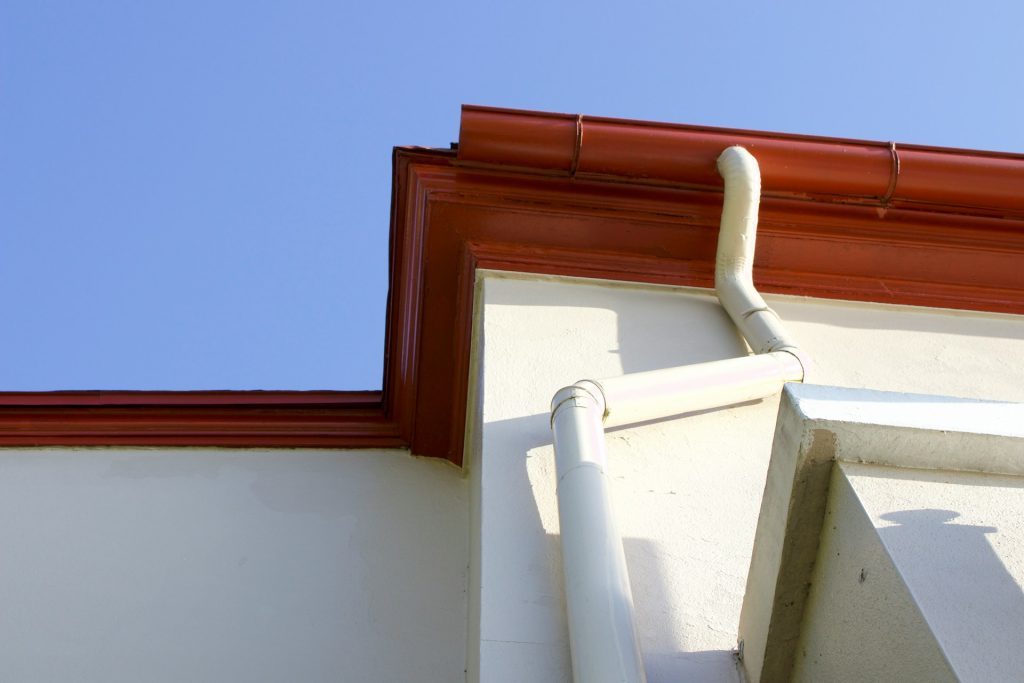
New gutters may not be the most exciting home improvement project, but they play a major role in protecting your home. A well-designed gutter system moves rainwater away from your roof, siding, foundation, landscaping, and basement. When gutters fail, water can pool around your home, seep into vulnerable areas, and create costly damage over time. Before scheduling a project, homeowners should understand how gutters work, what materials are available, and what factors affect the final installation. If you are researching gutter installation in Des Moines, knowing what to expect can help you make a smarter, more confident decision.
Why Gutters Matter for Your Home
Gutters are designed to control where rainwater goes after it runs off your roof. Without them, water can fall directly next to your foundation and slowly weaken the soil around your home. This can lead to foundation cracks, basement leaks, erosion, mold growth, and damage to exterior surfaces. Gutters also help protect fascia boards, soffits, doors, windows, and walkways from repeated water exposure. In climates with heavy rain, snow, and freeze-thaw cycles, a reliable gutter system becomes even more important.
Signs You May Need New Gutters
Many homeowners wait until gutters completely fail before replacing them, but early warning signs are often easy to spot. Cracks, rust, sagging sections, loose fasteners, and peeling paint near the roofline can all indicate gutter problems. Water spilling over the sides during rain may mean your gutters are clogged, undersized, or incorrectly pitched. If you notice pooling water around your foundation or mildew near your siding, your current system may not be draining properly. Frequent repairs can also be a sign that replacement is more cost-effective than continuing to patch an aging system.
Common signs include:
- Gutters pulling away from the roofline
- Water stains on siding or fascia
- Standing water inside gutter channels
- Basement dampness after storms
- Cracks, holes, or separated seams
- Soil erosion near the foundation
Choosing the Right Gutter Material
The material you choose affects your gutter system’s appearance, durability, maintenance needs, and cost. Aluminum is one of the most common choices because it is lightweight, rust-resistant, and available in many colors. Vinyl gutters are usually budget-friendly, but they may become brittle in harsh weather or extreme temperature swings. Steel gutters are strong, but they can be more prone to rust if not properly coated or maintained. Copper gutters offer a distinctive high-end look and excellent longevity, though they usually come with a higher price tag.
Seamless vs. Sectional Gutters
One of the biggest decisions homeowners face is whether to install seamless or sectional gutters. Sectional gutters come in pre-cut pieces that are joined together during installation. They are often less expensive upfront, but the seams can become weak points where leaks may develop. Seamless gutters are custom-made to fit your home, which reduces the number of joints and lowers the chance of leaks. For many homeowners, seamless gutters offer better long-term performance and a cleaner finished appearance.
Proper Sizing and Pitch Are Essential
Gutters must be sized correctly to handle the amount of water flowing off your roof. A larger roof surface, steep pitch, or complex roofline may require wider gutters or additional downspouts. If gutters are too small, water can overflow during heavy storms and defeat the purpose of the system. Pitch is also important because gutters need a slight slope to direct water toward the downspouts. Poor pitch can leave standing water in the channels, leading to clogs, sagging, ice buildup, and premature wear.
Don’t Overlook Downspouts
Downspouts are just as important as the gutters themselves because they carry water safely away from the home. If there are too few downspouts, water may back up and overflow during heavy rainfall. If downspouts discharge too close to the foundation, water can still cause drainage problems even with new gutters installed. Extensions, splash blocks, or underground drainage solutions may be needed to move water farther from the house. A professional installer can evaluate your roofline and property grade to determine the best placement.
Local Weather Should Influence Your Choice
Weather conditions should always be considered before choosing new gutters. In areas with heavy rain, snow, ice, and seasonal debris, durability and drainage capacity matter. Homeowners in the Midwest often need gutter systems that can handle spring storms, summer downpours, fall leaves, and winter ice. That is why anyone considering gutter installation in Des Moines should think beyond appearance and focus on year-round performance. Choosing the right system for local conditions can reduce maintenance, improve drainage, and help protect your home through every season.
Gutter Guards May Be Worth Considering
Gutter guards can help reduce the amount of leaves, twigs, and debris that enter your gutter system. They do not make gutters completely maintenance-free, but they can make cleaning easier and less frequent. This is especially helpful if your home is surrounded by mature trees or if you have a roofline that is difficult to access. Different types of guards include mesh screens, reverse-curve covers, brush inserts, and micro-mesh systems. The best option depends on your roof style, tree coverage, budget, and the type of debris common around your property.
Benefits of gutter guards may include:
- Fewer clogs
- Reduced cleaning frequency
- Better water flow during storms
- Less risk of pests nesting in gutters
- Lower chance of overflow from debris buildup
Professional Installation vs. DIY
Some homeowners consider installing gutters themselves to save money, but gutter installation requires careful measuring, cutting, fastening, sealing, and leveling. Even small mistakes can cause leaks, poor drainage, or damage to the roofline. Professional installers have the tools and experience to ensure the system is properly sized, pitched, and secured. They can also identify hidden issues, such as rotted fascia boards or drainage concerns, before installing the new gutters. While DIY may seem less expensive upfront, professional installation often provides better long-term value and fewer headaches.
FAQ
How long do gutters usually last?
Most aluminum gutters can last around 20 years with proper maintenance, while copper gutters can last much longer. Lifespan depends on material quality, weather exposure, installation quality, and how often the gutters are cleaned.
How often should gutters be cleaned?
Most homes need gutter cleaning at least twice a year, usually in spring and fall. Homes near heavy tree coverage may need more frequent cleaning to prevent clogs and overflow.
Are seamless gutters better than sectional gutters?
Seamless gutters are often preferred because they have fewer joints where leaks can develop. They usually cost more upfront, but they can offer better performance and a cleaner look.
Do gutter guards eliminate cleaning?
No, gutter guards reduce debris but do not eliminate maintenance completely. They can make cleaning less frequent and easier, but occasional inspection is still important.
What size gutters do most homes need?
Many homes use 5-inch gutters, but larger homes or steep roofs may need 6-inch gutters. A professional can calculate the right size based on roof area, pitch, and drainage needs.
Final Thoughts Before Installing New Gutters
Before installing new gutters, take time to evaluate your current system, your home’s drainage needs, and your long-term maintenance goals. The right gutters should do more than look good; they should protect your roofline, siding, landscaping, and foundation from water damage. Material, size, pitch, downspout placement, and local weather all play a role in how well the system performs. Working with an experienced installer can help you avoid common problems and choose a system that fits your home. With the right planning, new gutters can be a practical investment that protects your property for years to come.