Trees provide many benefits to residential and commercial properties, including shade, privacy, visual appeal, and environmental value. However, there are situations where a tree may become unsafe, unhealthy, or unsuitable for its location. Property owners seeking tree removal services on the Northern Beaches are often unsure whether a tree requires removal or whether alternative management options may be available.
Understanding the warning signs of a potentially hazardous or declining tree can help property owners make informed decisions and reduce risks to people, buildings, and surrounding landscapes. While every tree is different, certain indicators may suggest that professional assessment is worthwhile.
Dead or Dying Branches Can Signal Problems
One of the most noticeable signs that a tree may be struggling is the presence of dead or dying branches. While occasional branch loss can occur naturally, widespread dieback throughout the canopy may indicate a more significant issue. Dead branches are not only a sign of declining tree health but can also present safety risks. Branches may become unstable and fall unexpectedly, particularly during strong winds or storms.
Common signs of branch decline include:
- Bare branches during growing seasons
- Brittle wood
- Peeling bark
- Lack of new growth
- Large sections of dead canopy
Professional assessment can help determine whether the issue is isolated or affecting the entire tree.
Visible Tree Leaning May Indicate Instability
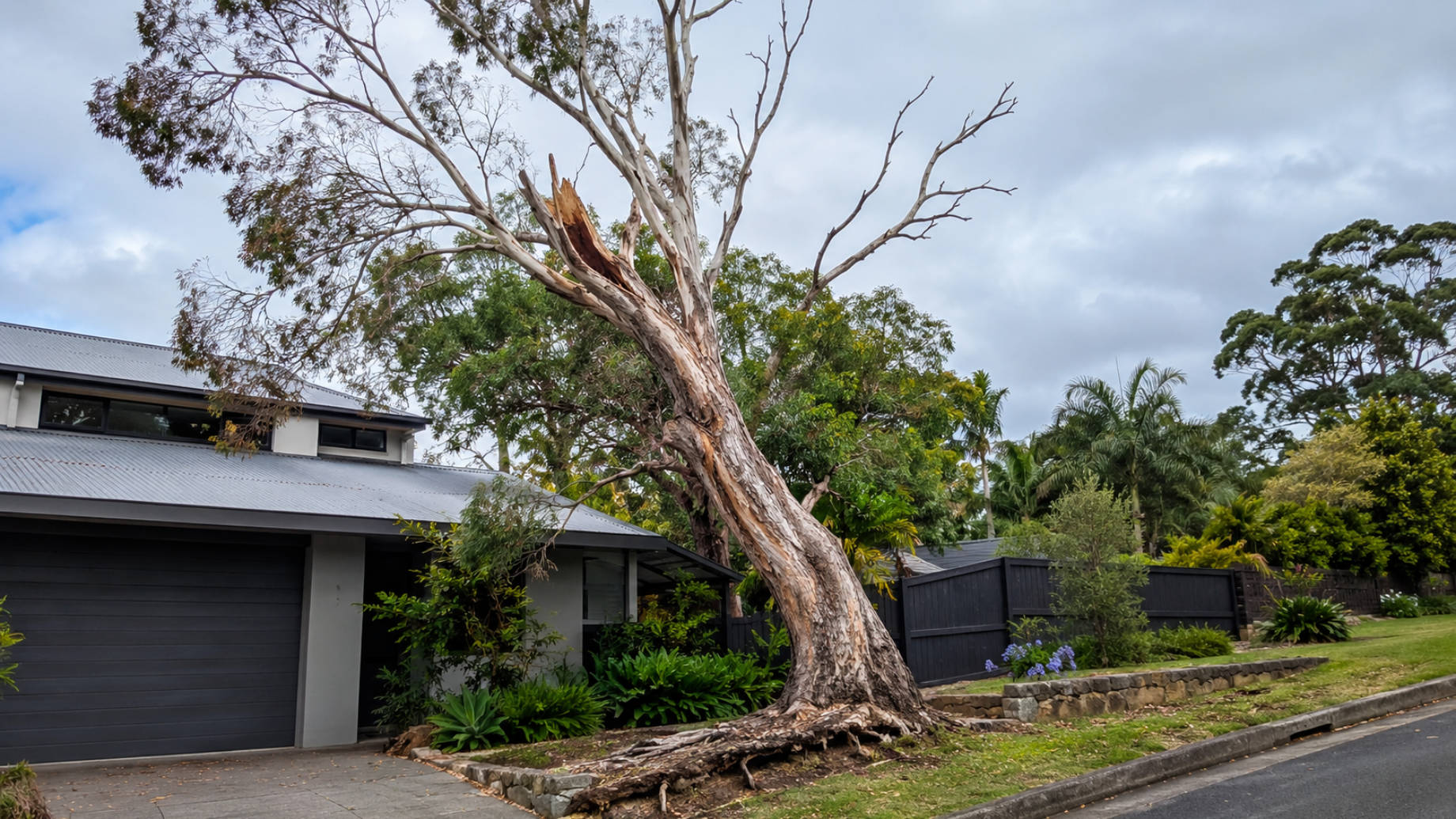
Many trees naturally grow with a slight lean and remain structurally stable for decades. However, a sudden change in a tree’s position or a significant lean can indicate underlying problems. Leaning trees may be experiencing root damage, soil movement, or structural instability. These issues can increase the risk of tree failure, particularly during severe weather events.
Property owners should pay close attention if a tree begins leaning noticeably or if the lean appears to be worsening over time. Early investigation may help identify potential hazards before they become more serious. Changes in tree position should never be ignored.
Root Problems Can Affect Tree Stability
The root system plays a critical role in supporting the health and stability of a tree. Damage to roots can affect nutrient uptake, structural support, and overall tree condition. Root problems are often hidden below ground, making them difficult to detect without professional assessment. However, certain visible signs may suggest that root-related issues are present.
Potential indicators of root problems include:
- Soil lifting around the base
- Cracks in nearby ground surfaces
- Exposed roots
- Reduced tree vigour
- Sudden leaning
Healthy roots are essential for maintaining a stable and resilient tree structure.
Signs of Disease May Require Attention
Tree diseases can affect various parts of a tree, including leaves, branches, bark, and roots. While some diseases are manageable, others can significantly weaken a tree and increase the likelihood of failure. The presence of disease does not automatically mean a tree requires removal. However, severe or advanced infections may affect long-term health and structural integrity.
Symptoms that may indicate disease include discoloured foliage, unusual growths, fungal activity, bark deterioration, and canopy decline. Early identification often provides the best opportunity for appropriate management. Monitoring tree health regularly helps identify changes that may require professional advice.
Storm Damage Can Create Safety Risks
Severe weather can place considerable stress on trees, particularly older specimens or those already experiencing health issues. High winds, heavy rain, and storms may cause structural damage that is not always immediately obvious. Broken branches, split trunks, and damaged root systems can affect the stability of a tree following a storm. Even if the tree remains standing, hidden damage may increase the risk of future failure.
Warning signs after severe weather may include:
- Cracked trunks
- Hanging branches
- Uprooted soil
- Split limbs
- New leaning movement
Prompt inspection following major storms can help identify potential hazards.
Trees Can Outgrow Their Location
Some trees eventually become too large for the space in which they were planted. As trees mature, their roots and canopies may begin affecting nearby structures, services, or surrounding vegetation. Large trees growing close to homes, driveways, fences, or utility lines may create ongoing maintenance concerns. In some situations, removal may be considered when a tree’s size significantly affects safety or property functionality.
Careful planning when selecting tree species can help reduce these issues in the future. However, established trees may require professional evaluation when space limitations become problematic. Balancing tree preservation with property protection is often an important consideration.
Professional Assessment Supports Better Decisions
Determining whether a tree should be removed is rarely straightforward. Factors such as species, age, condition, location, and risk level all influence the most appropriate course of action. Professional arborists use specialised knowledge to assess tree health, structural integrity, and potential hazards. In many cases, pruning or ongoing maintenance may be sufficient to address concerns without requiring removal.
A thorough assessment can help property owners understand available options and make informed decisions based on the tree’s condition and surrounding environment. Seeking professional advice helps ensure that decisions prioritise both safety and responsible tree management.
Conclusion
Trees are valuable assets, but there are circumstances where removal may become necessary to protect people, property, and surrounding infrastructure. Warning signs such as dead branches, significant leaning, root damage, disease, storm impacts, and space-related issues may indicate that further investigation is needed.
Understanding these signs allows property owners to respond proactively and reduce potential risks before problems escalate. While not every concern requires removal, professional assessment provides valuable insight into a tree’s health and structural condition. By monitoring tree health and addressing issues early, property owners can make informed decisions that support both safety and effective landscape management.
