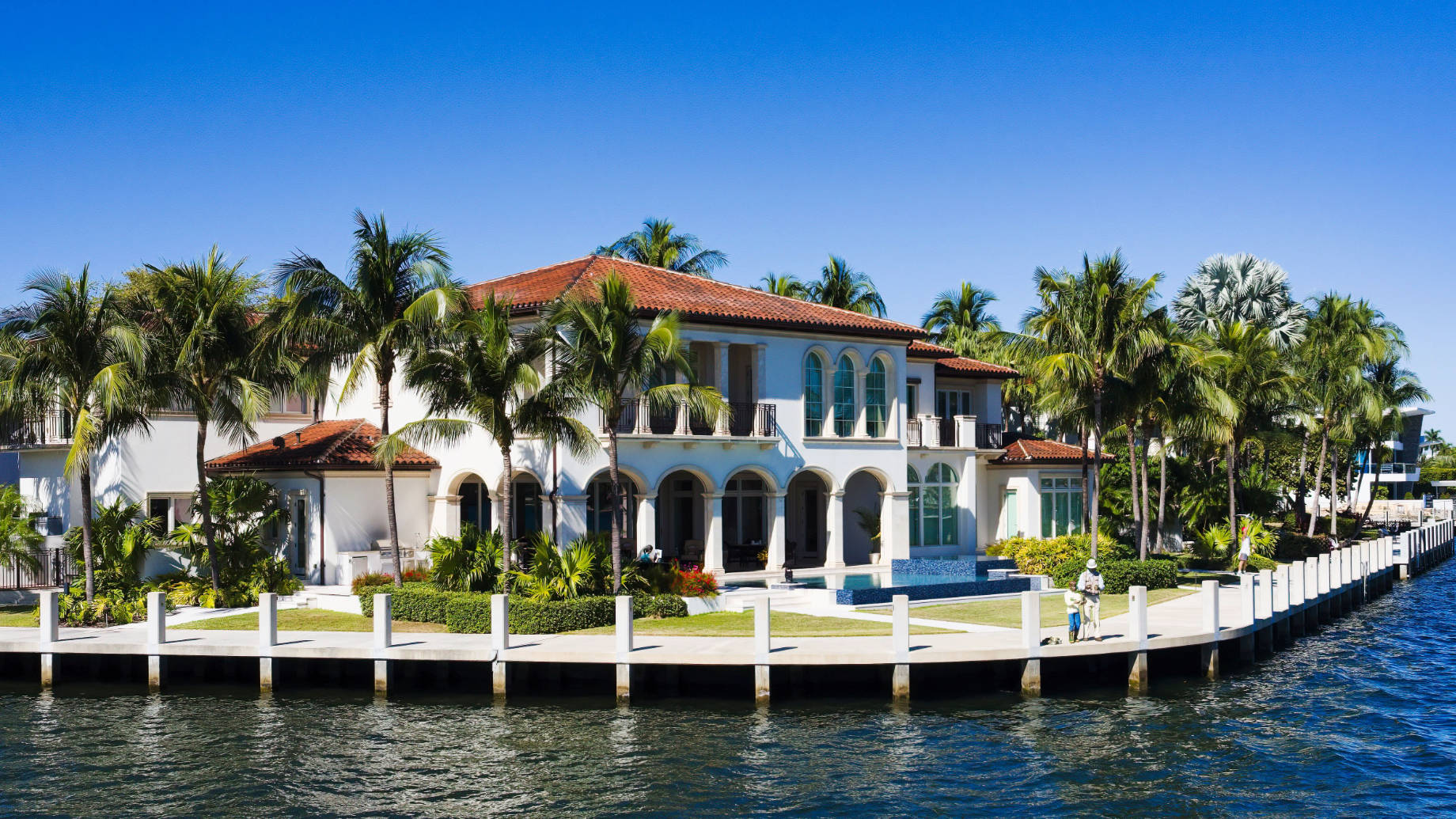
Nowadays, you’ll see that the definition of luxury real estate has shifted. High-end buyers used to focus mostly on the square footage of a house. They looked for grand entryways and premium appliances. But if you look closely, internal features are still standard. However, they no longer define elegance by living it themselves.
The Evolution of Luxury Homebuyer Expectations
A wealthy homebuyer values time and experiences over possessions. Demographic shifts drive this change. Younger buyers seek integrated communities rather than isolated mansions. They want their vicinity to act as an extension of their private homes.
Increasing remote work has accelerated this trend and this is affecting the market significantly. People spend more time where they live. So, the boundary between home life, fitness, social interaction, and recreation has blurred. Buyers demand convenience. People expect to swim, play sports, socialize, and hike without leaving their gates. Consequently, houses that are isolated from community resources are much more difficult to sell in the premium market.
Community Amenities That Add the Most Value to Neighborhoods
I think that certain shared assets provide a measurable boost to regional property values.
I can tell you with great confidence that mediocre concrete pools cannot satisfy today’s luxury criteria. High-end developments feature resort-style aquatic centers, resort-style pools, wellness facilities, clubhouses, and social gathering spaces. As a matter of fact,
wellness infrastructure tends to look like a premium health club. Pavilions for special fitness are being built by communities. They have cardio equipment that costs a lot of money, weight training machines and yoga studios. Some communities even have on-site fitness directors or regularly scheduled wellness classes.
The modern clubhouse is an architectural centerpiece. These facilities include professional catering kitchens, private meeting boardrooms and wine tasting cellars.
Tennis / Pickleball & Sports Amenities Are Also On The Rise. Racket sports are central to the identities of upscale communities. While standard tennis courts are still popular, if you look, pickleball infrastructure has seen massive growth. Many upscale neighborhoods have large sports complexes. These include basketball courts, batting cages and putting greens. They’re giving you the best sports setups on site without the commute to private country clubs.
Okay, so let’s talk green infrastructure. walking trails, parks and outdoor recreation. They’re part and parcel of luxury real estate. The rich want homes surrounded by nature. These trails are paved, boardwalks or crushed stone for running, biking and walking.
Other benefits like waterfront features and pretty green spaces are also encouraging. Water views come with a reliable premium on property values. Design upscale master-planned communities around natural or engineered lakes, rivers or coastal access. Communities construct community docks, kayak launch sites and lakeside gazebos. Protected green belts and conservation areas preserve scenic views for ever.
Residents enjoy peace, quiet and privacy knowing that the nearby woods or water will never be developed.
Why Do Top-Tier Amenities Strengthen Real Estate Demand?
When the economy is unstable, amenity-rich communities maintain strong buyer demand. These spaces create a powerful sense of exclusivity and security.
And premium amenities solve a logistical challenge for busy professionals. They consolidate lifestyle needs. Residents can exercise, entertain guests, and entertain children within steps of their front door. This extreme chance saves time, which is the ultimate luxury for buyers. Consequently, homes in these neighborhoods sell faster and command premium price points per square foot compared to nearby developments lacking shared resources.
Upscale Communities Leading This Trend
Several places across the United States exemplify this amenities-focused real estate strategy.
National Village (Alabama) integrates residential living with world-class golf. It’s on the Robert Trent Jones Golf Trail. It blends sports infrastructure with scenic lakeside trails and a massive Marriott resort complex.
Hobbits Glen (Maryland) is located in Columbia. This neighborhood centers around a championship golf course and an acclaimed tennis club. It has natural woodland preservation with elite social venues.
Vivid Shores (Florida) is a coastal community focused heavily on deep-water access. It pairs a private marina with state-of-the-art wellness centers. Moreover, you got beachfront cabanas to deliver a complete vacation lifestyle.
Chimney Lakes (Roswell) is an established, highly sought-after Fultonian neighborhood. It consists of over 380 homes. The community is famous for its family-friendly atmosphere and gorgeous wooded surroundings. You can enjoy a robust amenity package. It includes swimming pools, multiple tennis courts, playgrounds, and miles of walking trails. The neighborhood centers around beautiful lakes. You will find serene waterfront views and a distinct escape from the Atlanta metro bustle.
What Buyers Should Evaluate Beyond the Home Itself?
If you are looking for a high-end property, you are required to check the community infrastructure as well as the home in detail. Ongoing funding is needed to keep amenities open and appealing.Regarding financial health, I believe you should first review the homeowners’ association financial statements. Additionally, you should make sure that there is a good reserve fund in the area.
If a clubhouse roof fails or a pool needs to be resurfaced, a well-funded reserve avoids unexpected special assessments.
Try visiting the shared facilities on a Saturday afternoon. You must monitor whether the tennis courts or pools are overcrowded. If a neighborhood adds too many homes without expanding its common areas, the luxury experience suffers.
Maintenance standards are important if you are willing to live in a place. Look for signs of deferred maintenance. Faded court paint and cracked walking paths indicate weak management.
The best option for you is to find out if the developer has handed over control to the residents, as long-term governance is aware of the rules governing amenity renovations, guest policies, and future expansion plans.
Conclusion
Overall, the value of upscale real estate is no longer contained within four walls. But the real luxury is the lifestyle that the area offers. Today, resort-style pools, racket complexes, nature trails and pristine lakes are among the top amenities that drive homebuying decisions. These assets foster social connections and provide unmatched daily convenience.
When evaluating costly homes, you should try to look beyond the kitchen countertops and crown molding. You may examine the surrounding shared infrastructure. When you are investing in a community with robust, well-funded, and diverse amenities, it protects your capital and improves your daily quality of life. Luxury real estate is an investment in an environment, and top-tier amenities shape that environment for the better.
