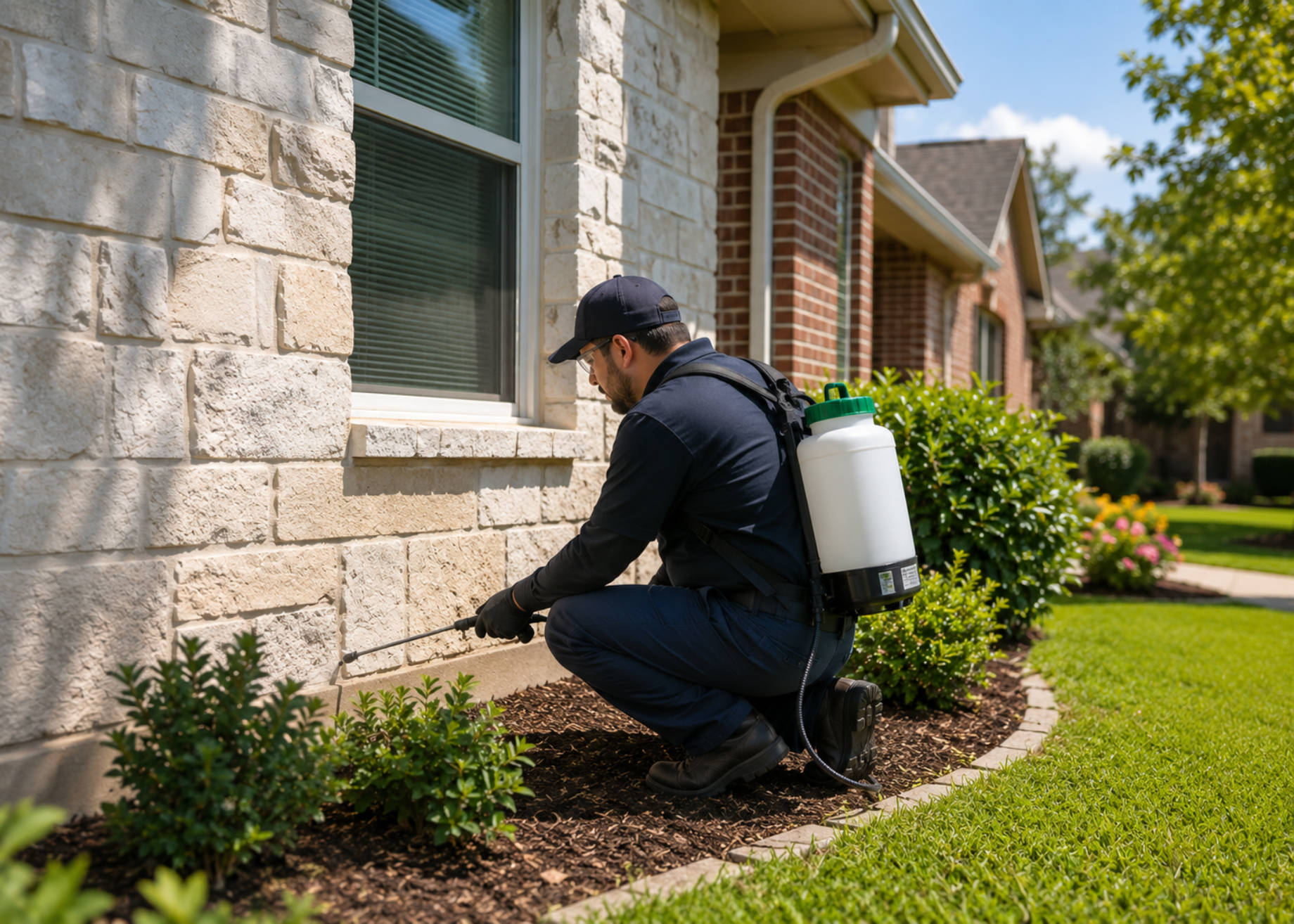
Temple and Killeen sit in the heart of Central Texas, where warm weather, humidity, rapid growth, and changing seasons create steady pest pressure. Homeowners in the area may deal with ants, roaches, termites, rodents, spiders, scorpions, bed bugs, mosquitoes, and other pests throughout the year.
Because pest problems in this region are rarely limited to one season, effective service should focus on prevention as much as treatment. A quick fix may reduce visible activity, but long-term protection requires a more complete approach: inspection, entry-point evaluation, targeted treatment, and follow-up.
For families and businesses in Central Texas, pest control is about keeping the property safer, cleaner, and more comfortable year-round.
Why Temple and Killeen Properties Attract Pests
The local climate gives pests many opportunities to survive and reproduce. Warm temperatures allow insects to remain active for long periods, while moisture from rainfall, irrigation, plumbing leaks, and landscaping can support nesting and breeding.
Common pest attractants include:
- Cracks around foundations
- Gaps around windows and doors
- Open weep holes
- Plumbing and A/C penetrations
- Moisture near the foundation
- Food crumbs or unsealed pantry items
- Pet food left outside
- Cluttered garages or storage areas
- Tall grass and overgrown landscaping
- Standing water around the home
- Firewood or debris near exterior walls
Once pests find access, they may move indoors and become harder to control.
Common Pests in Central Texas Homes
Temple and Killeen homeowners often face a wide range of pest issues. Some are mainly a nuisance, while others can create health risks or property damage.
Common pests include:
- Ants entering kitchens, bathrooms, and wall voids
- Cockroaches hiding in warm, damp areas
- Rodents nesting in garages, attics, or wall spaces
- Spiders appearing around storage areas and corners
- Scorpions moving indoors during hot or dry conditions
- Termites damaging wood and structural materials
- Bed bugs spreading through travel or shared spaces
- Mosquitoes breeding in standing water
- Fleas affecting homes with pets
- Wasps and stinging insects nesting around exterior areas
Because each pest behaves differently, the best treatment plan starts with accurate identification.
Why DIY Pest Control Often Fails
Many homeowners try store-bought sprays, traps, or repellents before calling a professional. These products may help temporarily, but they rarely solve the full problem.
DIY methods often miss:
- Hidden nesting areas
- Entry points
- Moisture sources
- Harborage areas
- Exterior pest pressure
- Termite activity
- Rodent access routes
- Seasonal pest patterns
For example, spraying roaches in a kitchen may not reach the hidden areas where they are breeding. Setting mouse traps may not stop new rodents from entering. Treating visible ants may not eliminate the colony.
Professional pest control works differently because it addresses both the pests and the conditions that allow them to return.
Why Pest Proofing Matters
One of the most important parts of long-term pest protection is identifying how pests enter the home. Many pests use small cracks, gaps, and utility openings that homeowners may not notice.
A pest proofing inspection may evaluate:
- Windows
- Doors
- Weep holes
- Plumbing lines
- A/C penetrations
- Garage gaps
- Foundation cracks
- Exterior utility openings
- Roofline or attic access points
For homeowners searching for pest control in Temple, TX, this kind of inspection-based approach can help reduce long-term pest problems by addressing access points before they become major entry routes.
Rodents and Entry Points
Rodents are a common concern in Central Texas homes. Mice and rats can squeeze through small gaps and may nest in attics, garages, walls, and storage spaces.
Rodents can cause:
- Food contamination
- Droppings and odor
- Chewed wiring
- Damaged insulation
- Nesting debris
- Scratching sounds in walls or ceilings
- Rapid population growth
A strong rodent plan should include trapping or control measures, sanitation recommendations, and exclusion. Without sealing entry points, rodent problems may return.
Termites in Temple and Killeen
Termites are one of the most serious pest threats in Central Texas. They can damage wood and structural materials long before signs become obvious. Warm conditions, moisture, and soil access can all increase termite risk.
Warning signs may include:
- Mud tubes near the foundation
- Hollow-sounding wood
- Damaged baseboards or trim
- Swarming insects
- Discarded wings
- Bubbling paint
- Soft or weakened wood
Because termite damage is often hidden, regular inspections are important. Treatment may involve baiting systems, liquid treatments, wood treatments, or other professional methods depending on the property.
Scorpions, Spiders, and Exterior Pest Pressure
Scorpions and spiders often become more visible when insects are active around the property. Since they feed on other pests, reducing general insect activity can help reduce their presence as well.
Prevention may include:
- Exterior barrier treatments
- Removing clutter and debris
- Sealing entry points
- Reducing outdoor lighting that attracts insects
- Keeping grass and shrubs trimmed
- Treating harborage areas around the home
In Central Texas, exterior pest management is especially important because many indoor problems begin outside.
Why Ongoing Service Works Better Than One-Time Treatment
Pest activity changes throughout the year. Spring and summer may bring ants, roaches, mosquitoes, and stinging insects. Hot or dry weather may push pests indoors. Cooler months may increase rodent activity as pests search for warmth and shelter.
Ongoing service helps maintain protection by adjusting to seasonal conditions. A year-round plan may include:
- Regular inspections
- Exterior perimeter treatments
- Interior treatment when needed
- Harborage treatment
- Web removal
- Granular applications
- Rodent monitoring
- Follow-up service if pests return
This type of plan helps reduce recurring problems instead of only reacting after pests appear.
Pest Control for Killeen Homes and Businesses
Killeen’s growth, warm climate, and mix of residential and commercial properties create steady pest control needs. Homes, offices, rental properties, restaurants, warehouses, and other businesses may all require customized service.
For property owners looking for pest control in Killeen, TX, the right provider should understand local pest trends and offer treatment plans that fit the property, not just a generic service.
Commercial properties may need more structured pest monitoring because pest activity can affect employees, customers, inventory, sanitation, and reputation.
Prevention Tips for Homeowners
Homeowners can reduce pest pressure by improving maintenance and reducing attractants.
Helpful steps include:
- Seal cracks and gaps around the home
- Repair leaking pipes or faucets
- Keep food sealed
- Clean crumbs and spills quickly
- Take out trash regularly
- Store pet food properly
- Remove standing water
- Keep grass and shrubs trimmed
- Store firewood away from the house
- Reduce clutter in garages and storage areas
- Check doors and windows for gaps
- Schedule inspections before pest activity increases
These habits help support professional service and reduce recurring infestations.
Choosing Local Pest Control Experts
Local experience matters because pest activity in Temple and Killeen is shaped by Central Texas conditions. A good provider should understand the area’s common pests, seasonal patterns, and structural vulnerabilities.
iPest Solutions serves Temple, Killeen, Harker Heights, Belton, Fort Cavazos, Nolanville, and surrounding communities with residential pest control, termite services, commercial pest control, pest proofing, and ongoing service plans.
A Smarter Approach to Pest Protection
Pest control in Temple and Killeen should not be limited to visible pests. A smarter approach looks at how pests enter, where they hide, what attracts them, and how to reduce future activity.
With inspection-based service, customized treatment, pest proofing recommendations, and ongoing protection, Central Texas homeowners can reduce pest pressure and keep their homes more comfortable throughout the year.
