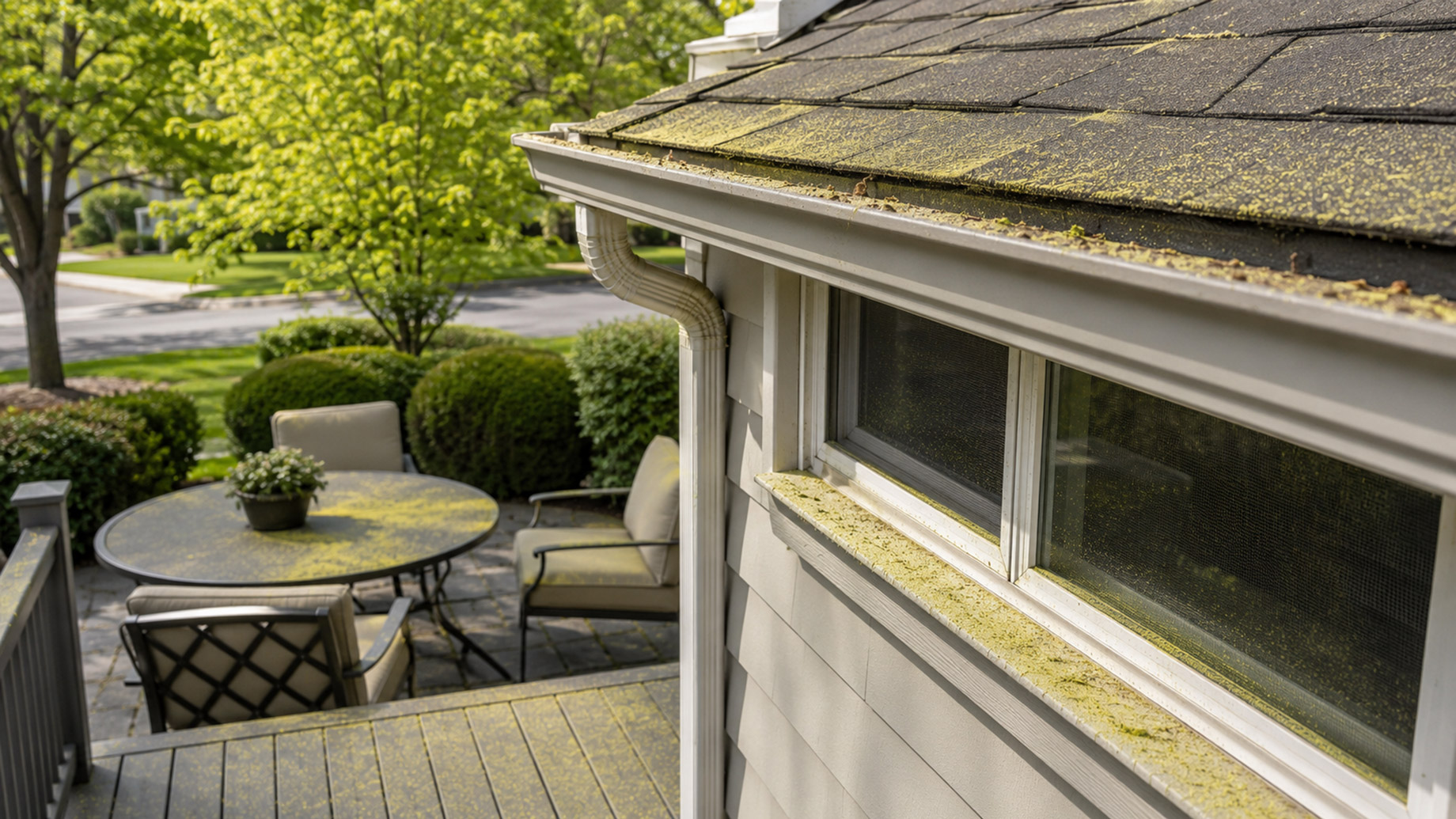
Spring pollen does not stay neatly on trees, flowers, or lawns. Once released, it moves through the air as fine, lightweight particles that settle wherever wind, moisture, and surface texture allow. Around residential properties, this can mean yellow dust on roofs, patio cushions, window screens, and even drainage areas. A homeowner speaking with a professional gutter cleaner in Pittsburgh may hear how quickly pollen mixes with leaves, rainwater, and other seasonal debris. Understanding how pollen travels helps you manage spring property care with less frustration and more realistic expectations.
Why Spring Pollen Travels So Easily
Pollen is designed to move. Trees, grasses, and flowering plants release it as part of their natural reproduction cycle, and spring weather gives those particles plenty of help. Windy afternoons, dry air, and shifting temperatures all allow pollen to drift far beyond its source.
The smallest airborne particles can stay suspended for hours. They move through neighborhoods, over rooftops, across driveways, and into shaded exterior corners. Even if your yard has few blooming plants, nearby trees and green spaces can still contribute to spring pollen buildup around your home.
Seasonal weather patterns also play a role. Dry days allow pollen to spread widely, while light rain can pull it from the air and deposit it onto hard surfaces. This is why a patio, roofline, or window ledge may look clean one day and coated the next.
The key takeaway is simple: pollen accumulation is not limited to where plants grow. It follows air movement, moisture, and surface conditions.
Roofs and Elevated Surfaces as Pollen Traps
Roofs often collect more pollen than homeowners realize. Because roof systems sit above ground-level barriers, they receive a direct layer of airborne particles as wind moves across the property. Sloped surfaces, shingles, flashing, skylights, and vents can all catch pollen as it settles.
Texture matters too. Asphalt shingles, tile edges, and small roof gaps can hold pollen on roofs longer than smooth surfaces. Once pollen lands, it may mix with dust, seed pods, moss spores, and fine organic matter. Over time, this creates a light film that becomes more visible after rain moves it into streaks or low points.
Heat also affects buildup. Roof surfaces warm quickly in spring sun, creating small air currents that push pollen into corners, valleys, and shaded edges. These areas may stay damp longer after rain, making pollen and other seasonal debris cling more firmly.
For homeowners, the lesson is practical: elevated surfaces are not out of reach for pollen. They are often one of the first places it collects.
Outdoor Furniture and Patio Areas
Outdoor furniture is another common landing zone for pollen. Cushions, umbrellas, rugs, and fabric seating attract fine particles because their fibers create tiny pockets where pollen can rest. Even smooth tables and metal chairs can develop a visible yellow film after a few breezy days.
Patio areas are especially prone to daily pollen accumulation because they sit in open air and often have nearby landscaping. A tree canopy, garden bed, or hedge can release pollen directly into the space where people relax, eat, and entertain.
This does not always signal poor maintenance. It is a normal part of seasonal weather. Still, regular outdoor maintenance can keep these areas more comfortable. Lightly brushing cushions, wiping hard surfaces, and storing fabric items during peak pollen days can reduce the amount that settles.
If pollen cleanup feels constant in spring, focus on the surfaces you touch most often. Tables, chair arms, railings, and cushions usually need attention before less-used corners.
Window Ledges, Screens, and Exterior Openings
Windows show pollen buildup clearly because they combine airflow, ledges, screens, and reflective glass. As spring breezes move around a house, they push airborne particles against screens and exterior openings. The mesh catches pollen much like a filter.
Window ledges also create small horizontal shelves where dust and pollen can settle. After a damp morning or light rain, that fine layer may become sticky and harder to remove. Over time, it can form a dull film that affects how clean windows look from both inside and outside.
Screens are especially important because they sit between outdoor air and indoor living spaces. When pollen collects on them, opening windows may allow some particles to move indoors. This can affect comfort for people sensitive to seasonal allergens.
A simple routine helps. During peak pollen weeks, homeowners can rinse screens gently, wipe ledges, and avoid leaving windows open on dry, windy afternoons. Small habits often make the biggest difference.
How Pollen Reaches Drainage Systems and Gutters: Notes from a Professional Gutter Cleaner in Pittsburgh
Pollen does not just sit where it lands. Rainwater carries it across roof systems and down toward drainage systems. Along the way, it can mix with leaves, twigs, seed pods, and roof grit. This combination eventually reaches gutters, downspouts, and splash areas around the foundation.
In many homes, gutter debris is not made of large leaves alone. Fine organic material can create a dense layer that holds moisture. Pollen adds to that mixture during spring, especially after several dry days followed by rain.
A homeowner learning from a professional gutter cleaner in Pittsburgh might find that local conditions make this more noticeable. Mature trees, hilly neighborhoods, and changing spring weather can all influence how quickly organic matter moves through rainwater drainage paths.
Gutter cleaning is only one small part of seasonal maintenance, but awareness matters. If water does not move freely during spring showers, pollen and debris may be part of the reason.
Practical Ways Homeowners Manage Seasonal Pollen Buildup
You cannot stop pollen from moving through the air, but you can manage how it affects your property. The best approach is simple, steady care rather than deep cleaning every surface at once.
Useful spring property care habits include:
- Wiping outdoor tables, railings, and chair arms before use
- Shaking or brushing patio cushions during dry pollen-heavy periods
- Rinsing screens and exterior ledges with gentle water pressure
- Sweeping porches, decks, and entryways before pollen mixes with rain
- Checking visible roof edges and drainage areas after windy weather
- Replacing or cleaning entry mats that trap pollen near doors
Timing helps as much as technique. Cleaning after a light rain can be easier because pollen is less likely to blow back immediately. However, waiting too long may allow pollen to mix with dirt and become harder to remove.
Home maintenance also includes indoor awareness. Shoes, pets, and open windows can bring pollen inside. Keeping entry areas tidy and changing air filters as needed can support better comfort during peak spring pollen buildup.
Seasonal Debris and Property Maintenance Awareness
Pollen is part of a larger seasonal cycle. Spring brings flower petals, leaf buds, seed pods, small branches, and fine dust. Together, these materials create seasonal debris that collects in places homeowners may not check every week.
The most important part of property maintenance is noticing patterns. If one side of the house collects more pollen, wind direction or nearby trees may be the reason. If a patio becomes dusty soon after cleaning, overhead branches or open exposure could be contributing factors.
Long-term buildup is usually gradual. Pollen may start as a fine powder, then combine with moisture and organic material. This is why regular outdoor maintenance feels easier than waiting until surfaces look heavily coated.
Homeowners do not need to treat every pollen deposit as a serious problem. Instead, they can use spring as a reminder to review roof edges, window areas, outdoor furniture, gutters, and drainage systems as part of broader home maintenance.
Conclusion
Spring pollen moves farther than many homeowners expect, settling on roofs, patios, screens, ledges, and rainwater drainage areas. Its lightweight nature allows wind and seasonal weather to carry it across entire properties, where it mixes with dust, moisture, and seasonal debris. A practical approach to pollen cleanup focuses on steady habits, visible surfaces, and awareness of how pollen accumulation changes after wind or rain. Whether you are wiping patio furniture or speaking with a professional gutter cleaner in Pittsburgh, the goal is the same: understand seasonal movement and keep your home’s exterior easier to manage.
