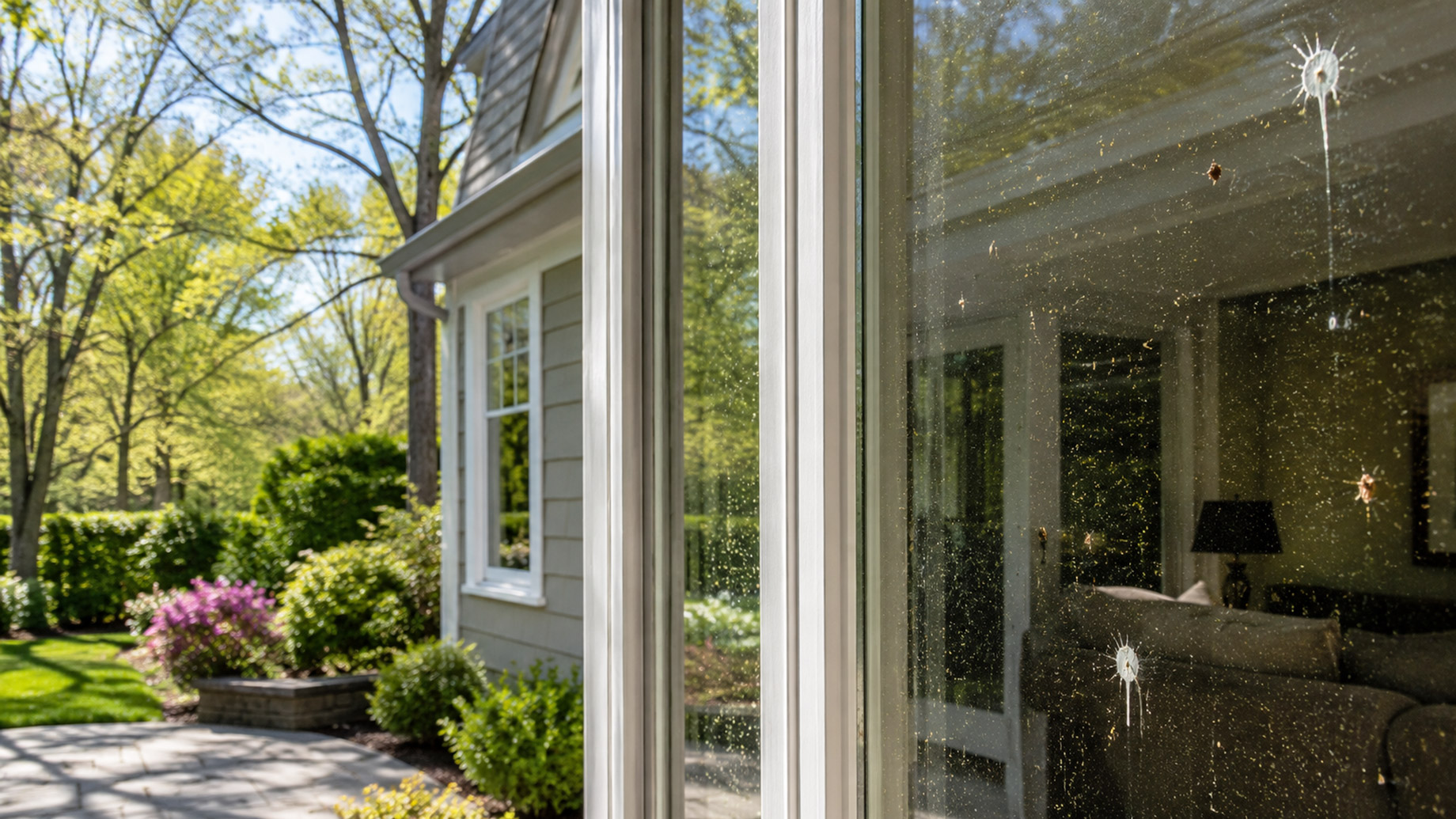
Spring often brings brighter mornings, blooming landscapes, and more time spent enjoying the view from home. It also brings a steady mix of outdoor contaminants that settle on glass. Pollen, insects, tree sap, airborne dust, and bird activity can all create residue buildup on windows, slowly reducing visibility and dulling natural light. For homeowners comparing seasonal upkeep or looking into Weatherford TX window cleaning services, understanding what collects on glass is a useful first step. Windows may seem smooth and simple, but they interact with the outdoor environment every day.
Why Spring Leaves More Than Just Sunshine Behind
Spring window residue forms because the season is active, windy, and full of natural movement. Trees release pollen and sap, birds become more active, insects return, and changing weather pushes airborne debris across outdoor surfaces.
Glass is especially noticeable when it collects residue because it is meant to be clear. Even a thin film can soften views, scatter sunlight, and make a clean home look less polished from the inside and outside.
Seasonal weather also plays a role. Warm afternoons can bake residue onto the surface, while cool nights and morning dew can spread fine particles across the glass. Over time, this creates a layered effect rather than a single type of dirt.
In many homes, windows facing trees, gardens, driveways, or open fields tend to show surface buildup faster. The issue is not always neglect. Often, it is simply the result of exposure to an active outdoor environment.
Bird Droppings and Why They Damage Glass
Bird droppings on windows are more than an unpleasant mark. They can contain uric acid, minerals, and organic matter that may affect glass if left in place for too long. While glass is durable, it is not completely immune to staining or surface wear.
When droppings dry, they harden and bond more firmly to the surface. Sun exposure can make the residue even tougher, especially on windows that receive direct afternoon light. The longer it sits, the more difficult it becomes to remove without leaving a faint outline or dull patch.
Bird activity often increases around rooflines, gutters, trees, porch lights, and garden areas. This means certain windows may receive more frequent marks than others. Upper-story windows and panes near ledges are common places where this residue appears.
From a home maintenance view, the main concern is time. Fresh residue is usually easier to manage. Hardened residue can require more care because rubbing too aggressively may spread particles or create fine scratches if grit is present.
Insect Stains and Protein-Based Residue
Insect stains are another common part of seasonal window care, especially in warmer months. Flying insects may strike glass at night when indoor lighting attracts them, or during the day when reflective surfaces confuse their flight path.
These marks often contain proteins, body oils, and tiny fragments that dry quickly. Once dried, they can form small cloudy spots or specks that do not always rinse away with light rain. This is why windows can still look spotted even after a spring shower.
Heat makes insect residue more stubborn. On sunny windows, the proteins can set into a thin film, making them harder to lift from the glass. If dust or pollen sticks to the same area, the mark becomes even more visible.
Screens can also play a part. They help reduce direct contact with glass, but they can trap insects and debris. During windy weather, that trapped material may transfer onto nearby panes, adding to the overall surface buildup.
Tree Sap on Glass and Sticky Contaminants
Tree sap on glass is one of the more frustrating outdoor contaminants because it is sticky, slow to dry, and good at holding other particles. Sap may land as tiny droplets that are hard to see at first. Over time, those droplets collect dust, pollen, and airborne debris.
Homes with windows near maples, pines, oaks, or other mature trees may notice this more often during spring and early summer. Sap can travel in light mist-like particles, especially when wind moves through branches. It can also fall from overhanging limbs or nearby leaves.
Unlike loose dirt, sap does not simply slide off with water. Its sticky nature helps it bond to the surface. Once it hardens, it can leave a raised spot that catches light and makes the window look uneven or cloudy.
This is one reason homeowners often treat windows near trees as part of broader seasonal home care. Trimming branches, keeping screens clean, and watching for sap patterns can help reduce how much residue reaches the glass.
Pollen Buildup and Fine Dust Accumulation
Pollen buildup is one of the clearest signs of spring. It often appears as a yellow, green, or beige film on glass, sills, screens, patio furniture, and vehicles. Because pollen is so fine, it can move easily through the air and settle across large surfaces.
On windows, pollen reduces glass visibility by creating a soft haze. It may not look dramatic at first, but it changes how light enters a room. Bright sunlight can reveal streaks, films, and uneven patches that were less obvious on cloudy days.
Fine dust works in a similar way. Soil particles, road dust, lawn debris, and construction dust can cling to damp glass or mix with pollen. When morning moisture dries, it may leave behind a faint layer that becomes more noticeable over time.
For people sensitive to seasonal allergens, pollen on windows and screens can also be a reminder of what is circulating outdoors. While windows are only one surface, they often show the scale of seasonal activity around the home.
Weatherford TX Window Cleaning Services and Why Some Residues Are Harder to Remove
Some residues are harder to remove because they are chemically different from ordinary dust. Pollen is powdery, sap is sticky, bird droppings can be acidic, and insect residue may contain proteins and oils. Each one interacts with glass in its own way.
Time is another major factor. Fresh residue usually sits on the surface. Older residue may dry, harden, or combine with other materials. Once several layers form, simple rinsing may remove the loose dirt while leaving the bonded material behind.
Environmental exposure adds to the challenge. Sunlight can bake residue onto glass. Wind can press particles against the surface. Rain may spread contaminants into streaks rather than fully wash them away. In areas with mineral-heavy water, drying droplets may add spots to the mix.
This is where brief, practical maintenance awareness helps. Homeowners who research Weatherford TX window cleaning services are often dealing with more than cosmetic smudges; they are seeing how seasonal residue changes the look and function of their windows. Cleaning is only one part of care, but it can help reset the surface before buildup becomes more stubborn.
How Visibility and Natural Light Change Over Time
The effect of residue is gradual. One day, the windows may look only slightly dusty. A few weeks later, rooms may feel dimmer, views may seem less sharp, and sunlight may appear muted. This is the quiet link between natural light and windows.
Glass visibility matters because windows shape how a home feels. Clear panes make interiors brighter, open up views, and help rooms feel more cared for. Cloudy or spotted panes can make even a tidy home feel less fresh.
Exterior appearance changes too. Streaks, sap spots, pollen films, and bird marks can stand out from the curb, especially when sunlight hits the glass at an angle. Large picture windows, patio doors, and front-facing panes tend to show these changes most clearly.
Seasonal window care does not need to be complicated. Paying attention to nearby trees, bird activity, insect patterns, and weather conditions can help homeowners understand why residue appears. Occasional washing, screen care, and routine exterior checks all support the broader goal of keeping the home bright and well maintained.
Spring and seasonal changes leave a quiet record on your windows. Bird droppings, insect stains, tree sap, pollen buildup, dust, and other outdoor contaminants all affect glass in different ways. Some create a light haze, while others harden, stain, or hold debris against the surface. Over time, this buildup can reduce visibility, soften natural light, and change how a home looks and feels. For homeowners considering Weatherford TX window cleaning services, the key is understanding that clear glass is part of seasonal awareness, not just appearance. Windows reflect the environment around them, one layer at a time.
