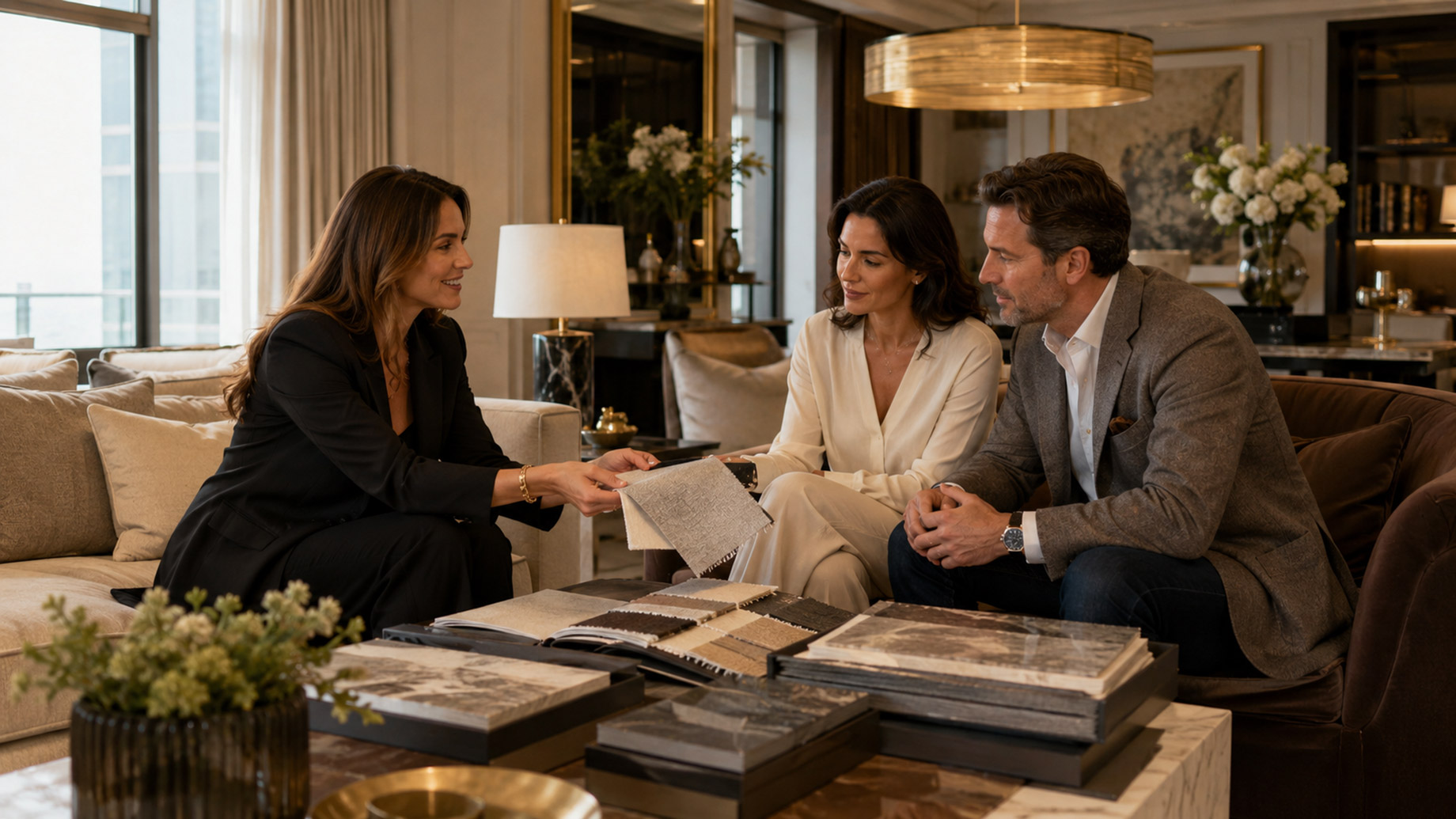
Interior designing is more than just setting furniture or choosing paint. For professional designers, it is more about building trust, creativity, and experience. Most expert interior designers work with high-end clients. It is because of their commitment and dedication to their work. Expert designers with their immense expertise turn spaces into works of art. Attracting high-end clients relies on talent; it requires a strong brand strategy.
In this article, we will learn how interior designers can potentially attract high-end clients. Plus, how to position yourself on top in a competitive market.
Building a Strong Personal Brand
High-end clients are attracted to designers who stand out from the crowd. An incredible personal brand reflects expertise, taste, and trust. Designers must showcase themselves as more than service providers. They should be presented as creative visionaries.
It includes understanding a clear design philosophy. Moreover, showcasing signature styles and ensuring that every public interaction displays professionalism. A well-designed website and an interactive social media presence play an important role in retaining clients. In addition, consistent messaging helps build credibility and attract clients who value elegance.
Showcasing Expertise Through Portfolios
High-end clients require proof of excellence before commitment. A well-crafted portfolio is one of the most effective tools for attracting clients. Instead of displaying every project, designers should present their best work. Besides this, present projects that reflect luxury, creativity, and attention to detail.
Including high-quality photographs, thorough project descriptions, and testimonials from previous clients builds trust. A portfolio should tell a story of modification. Moreover, it should include the transformation of ordinary spaces into extraordinary art. It all depends on the designer’s vision.
Networking in Exclusive Circles
High-end clients commonly come through recommendations and personal connections. Designers who like to retain them must spread networks in the right places. It means attending art exhibitions, charity gatherings, and other events. Additionally, attending luxury product launches and industry events might help reach the elite. Furthermore, developing relationships with architects and real estate agents is also beneficial.
Luxury furniture vendors also open doors to new links. Networking is all about being present around your potential clients. You do not sell services directly in these gatherings. They just need to be aware of your work. It is one of the best ways to spread word of mouth to attract clients. Besides this, influencing conversations helps generate leads and make new connections.
Delivering Exceptional Client Experiences
Elite clients require more than just beautiful design. They expect exceptional service, reliability, and seamless delivery. From the first meeting to the outcome, every interaction should be fruitful. Besides this, these clients demand clear communication and attention to detail. Moreover, the most essential thing is respecting the client’s time.
Provide concierge-style services. For example, managing logistics, sourcing rare materials, or handling contractors. It is helpful in making clients feel valued. When clients experience immense value and care, they are more prone to refer the designer to others in their network.
Leveraging Social Media and Digital Presence
In today’s world, high-end clients generally search for designers online. Social media platforms like Instagram and Pinterest are popular tools for advertising luxury projects. Designers should post fine professional pictures or design tips to showcase their expertise. Moreover, posting behind-the-scenes can offer engagement. An online presence is significant for market recognition.
A powerful digital profile also involves maintaining a blog or publishing articles. It helps ỉn demonstrating thought leadership. Consistently posting valuable content is essential for elevating designers’ position. It helps them to get on the top trusted experts list. Thus, making them easier to approach.
Collaborating with Luxury Brands
“Collaboration with other luxury brands plays an important part in increasing reach. It also elevates the designer’s reputation. Partnership with luxury furniture makers, fashion houses, realtors, and others. It creates an association with the potential customers who value reputation.
These partnerships efficiently improve the designer’s portfolio. Moreover, it also helps in attracting clients who value prestige. These clients are more prone to hire someone who can add those special touches to their homes. For instance, a designer working with a popular Italian furniture brand reflects their reputation. It implies that they operate at the highest level of quality, experience, and taste.” – Devon Howard, CEO of Andor Willow
Word of Mouth and Referrals
One of the most popular ways to attract elite clients is through referrals. Well-off individuals commonly depend on references from trusted friends or colleagues. Designers who deliver incredible work are often preferred. Moreover, strong relationships with prior customers also help in getting new clients.
Word-of-mouth marketing also includes persuading satisfied clients to share their experiences. Besides this, offering referral incentives can assist in expanding a designer’s reach into new circles of influence. A strong social media presence includes reviews. Adding reviews to your accounts or websites allows new clients to put trust in your service.
Positioning as a Thought Leader
Thought leadership is all about influencing trends and shaping conversations that resonate with potential audiences. High-end customers like to work with designers who are positioned as leaders in their field. Writing articles, addressing design conferences, or being featured in magazines develops authority. Thought leadership convinces clients that the designer is not only capable but also valued in the industry.
When clients see a designer’s name linked with creativity and expertise, they are more interested in trusting them with high-value projects. Ultimately, success lies in knowing the psychology of luxury. Besides this, nurturing long-term relationships might also help. When designers master these factors, they attract high-end clients. It also assists in securing their place in the world of luxury design.
Understanding the Psychology of Luxury Clients
Attracting rich clients requires understanding their mindset. High-end clients do not just hire a service. They are investing in status, comfort, and uniqueness. Designers must know that these customers value exclusivity and personalization. Moreover, providing ultimate solutions, rare materials, and custom designs caters to their desire for exclusivity.
By placing services along with the psychology of luxury, designers can always meet expectations. Besides this, it helps in building lasting relationships. Understanding the psychology of clients allows designers to establish themselves as trusted authorities.
Maintaining Long-Term Relationships
Being consistent with marketing strategies is essential. Consistency in attracting high-end customers comes from nurturing relationships beyond the delivery of a project. The best way to keep the connection intact is to send personalized notes. Moreover, sharing seasonal design updates or inviting customers to exclusive events are also crucial.
When customers feel valued, they are more likely to return for future projects. Besides this, they often refer the designer to their peers. Long-term excellent relationships shift one-time projects into ongoing collaborations.
Conclusion
Drawing high-end clients regularly is a combination of artistry and strategy. Interior designers must build strong brands, demonstrate their expertise, and network with exclusive circles. Moreover, delivering exceptional experiences and building strong client relationships are significant. By leveraging digital platforms, partnering with luxury brands, and positioning themselves as thought leaders, they can develop a steady flow of wealthy clients. Digital platforms play an essential role. It enables designers to display their work globally. Furthermore, collaborations with luxury brands enhance credibility. It also aligns them with the expectations of potential clients.
