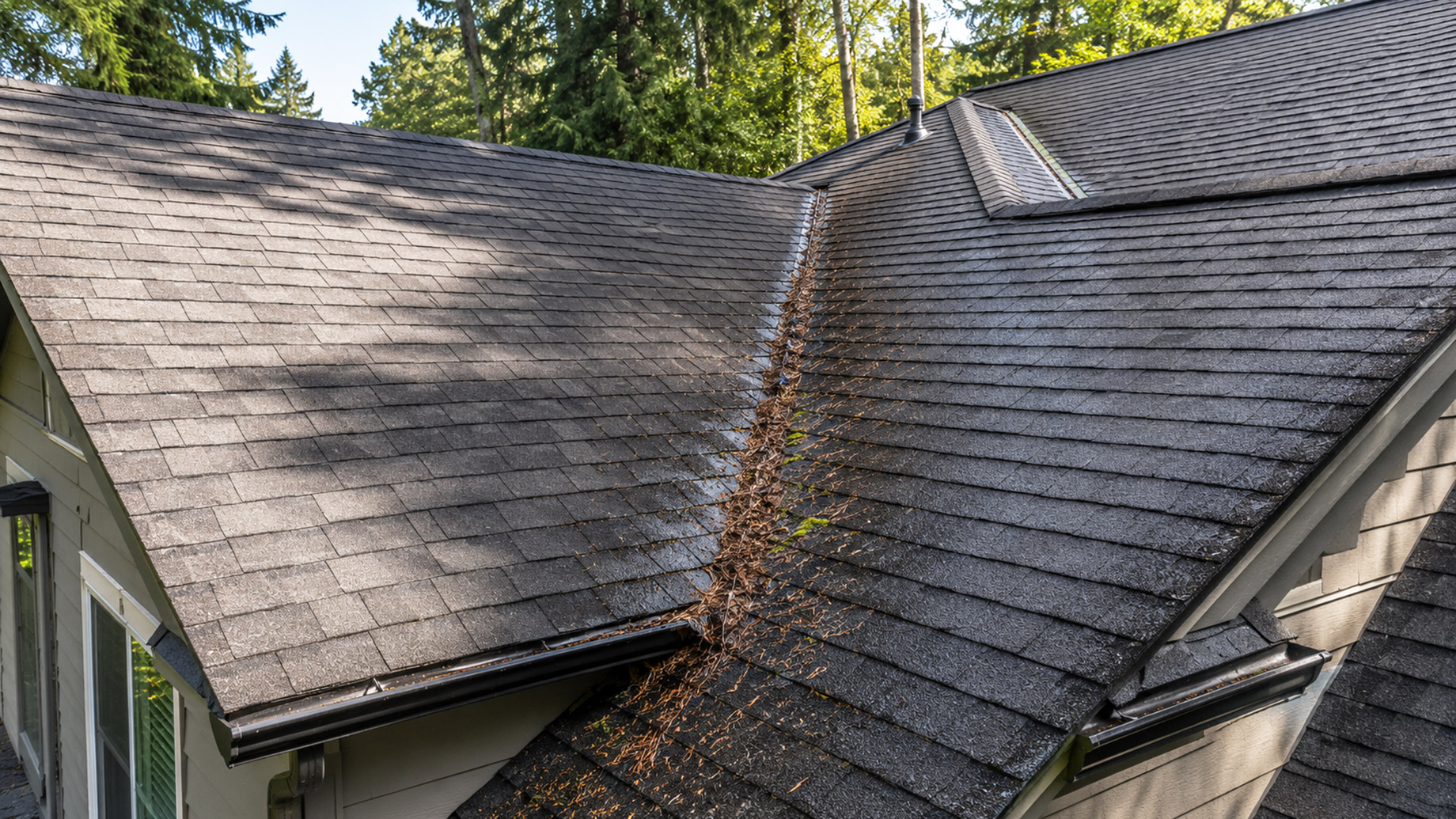
After a heavy rainstorm passes and the sun comes out, you might notice that most of your roof dries relatively quickly. However, one specific area often remains damp for days. If you find yourself wondering why roof valleys stay wet long after the rest of the roof dries, you are not alone. These critical intersections play a massive role in protecting your home from water damage, but their unique shape also makes them highly vulnerable to moisture retention.
Understanding how roof design, environmental factors, and debris impact these areas is the first step in effective exterior home care. In regions where dampness lingers, such as the Pacific Northwest, seeking professional roof washing in Olympia, WA can be especially helpful for maintaining the health and longevity of your roofing system. Let us explore the science behind roof valleys, why they hold onto moisture, and how you can keep your roofing system in excellent shape year-round.
The Design and Purpose of Roof Valleys in Water Drainage
To understand why roof valleys stay wet, we first need to look at how they are designed. A roof valley forms wherever two downward-sloping roof sections meet. This creates an inward angle, or a V-shaped crease, that runs from the top ridge down to the edge of the roofline.
The primary purpose of a roof valley is to act as a drainage channel. When rain falls on the surrounding slopes, gravity pulls the water down into this central trough. The valley then funnels a high volume of water safely off the roof and into your gutter system. Because these areas handle significantly more water than flat roof planes, they are typically reinforced with specialized flashing or overlapping shingles to prevent leaks. While this design is highly efficient for moving water, it also creates the perfect environment for lingering moisture.
How Roof Geometry Impacts Water Flow and Moisture
Roof geometry plays a major role in determining how quickly a roof dries. Because a valley is a recessed area sandwiched between two slopes, it naturally acts as a funnel. While the broad, flat sections of your roof shed water evenly, the valley is forced to process all the runoff from the adjacent planes.
This funneling effect means that long after the rain stops, any residual water on the higher slopes will slowly trickle down into the valley. The geometry also dictates that the lowest point of the crease holds the thickest layer of water. While a flat shingle might only hold a thin film of moisture that evaporates quickly, the trough of a valley holds a concentrated stream. This basic structural reality ensures that valleys will always take more time to completely dry out.
The Role of Debris, Shade, and Airflow in Slowing the Drying Process
Environmental factors heavily influence the drying time of your roof. Roof valleys naturally collect more than just water. As wind blows across your home, it pushes leaves, pine needles, twigs, and dirt across the flat shingles until they get trapped in the recessed crease of the valley.
Once organic matter accumulates in the valley, it acts like a giant sponge. Debris soaks up rainwater and blocks the natural drainage path, holding moisture directly against the roofing materials. In areas prone to wet and shady conditions, regular attention such as professional roof washing in Olympia, WA can help keep debris from accumulating and maintain healthy roof drainage. Furthermore, the inward angle of a valley often limits its exposure to direct sunlight. The adjacent roof peaks cast shadows over the crease, preventing the sun from baking away the dampness. At the same time, the recessed shape restricts natural airflow, minimizing the evaporative power of the wind. A combination of trapped debris, constant shade, and limited airflow creates a stubborn pocket of moisture.
Why Roof Valleys Are Ground Zero for Moss and Algae Growth
Because roof valleys frequently remain damp and shaded, they become prime locations for organic growth. If you inspect an older roof, you will almost always notice that moss, algae, and lichen begin spreading in the valleys first before moving to other sections of the roof.
Spores from moss and algae travel through the air and settle on your roof. They require a steady supply of moisture and shelter from harsh sunlight to thrive. The debris trapped in a wet roof valley provides the perfect food source and breeding ground. Once moss takes root, the problem compounds quickly. Moss holds even more water against the shingles, creating a dense, sponge-like mat that prevents the underlying roofing materials from ever fully drying out.
The Long-Term Impact of Trapped Moisture on Roofing Materials
Allowing moisture to sit in roof valleys for extended periods can severely impact roof longevity. Roofing materials, particularly asphalt shingles, are designed to shed water, not to sit in it. When shingles are constantly exposed to trapped moisture, their protective granules begin to loosen and wash away.
Over time, constant dampness can cause shingles to curl, blister, or crack. If water seeps underneath the shingles, it can compromise the protective underlayment and reach the wooden roof deck. This leads to wood rot, mold growth in your attic, and eventually, costly interior water leaks. Because the valley handles the highest volume of water, any structural failure in this area will result in rapid and significant water damage to the home.
Preventative Maintenance: Keeping Your Roof Valleys Clear and Dry
The best way to protect your roof and extend its lifespan is through consistent preventative maintenance. Homeowners should make it a habit to visually inspect their roof valleys, especially after heavy storms or during the autumn months when leaves are falling rapidly.
Keeping these channels clear of debris is essential. You can use a leaf blower or a soft-bristled brush to carefully remove pine needles and leaves before they have a chance to decompose. It is crucial to avoid aggressive scraping or high-pressure washing, which can strip the protective granules off your shingles. If you live in an area prone to heavy organic buildup, scheduling routine maintenance—such as hiring a company that offers professional roof washing in Olympia, WA—can safely eliminate stubborn moss and clear out debris without damaging the delicate roofing materials. Keeping the valleys clean ensures that water can flow freely and dry as quickly as possible.
Conclusion
Understanding why roof valleys stay wet long after the rest of the roof dries helps you take better care of your home. The recessed design, while necessary for funneling rainwater, naturally collects debris and restricts both sunlight and airflow. When leaves and pine needles trap moisture in these shaded creases, they create the perfect environment for moss growth and long-term damage to your shingles. By prioritizing preventative maintenance and considering options like professional roof washing in Olympia, WA, you can keep these vital drainage channels clean, protect your roofing system from premature wear, and ensure your home stays dry and secure for years to come.
