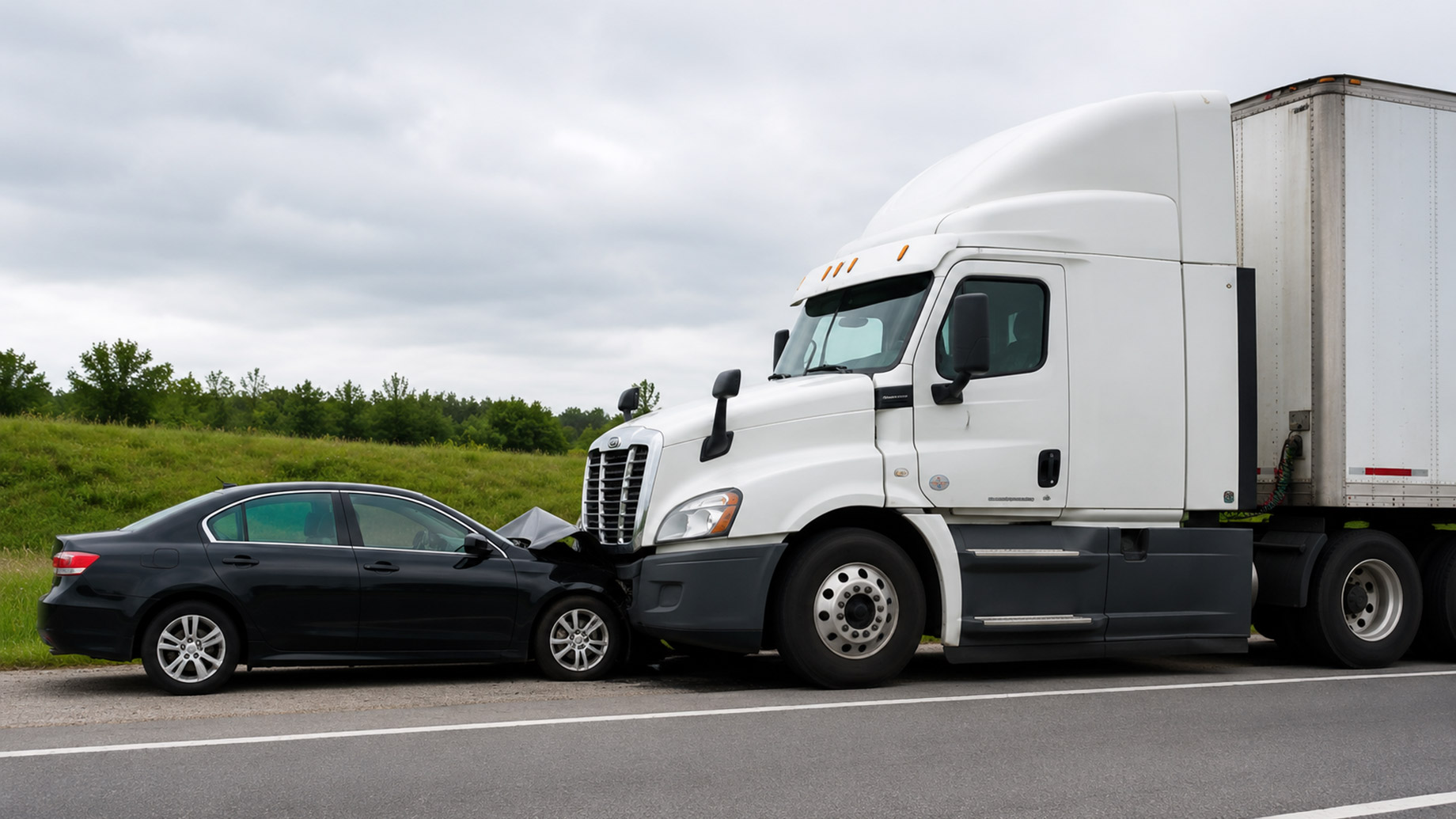
Truck accidents are among the most devastating crashes on the road. When a passenger vehicle collides with a large commercial truck, the people in the smaller vehicle are far more likely to suffer serious or life-changing injuries. The size, weight, height, and force of a truck can turn an ordinary traffic collision into a catastrophic event.
Understanding truck accident injury severity can help victims and families recognize why these crashes are so dangerous, what injuries may result, and when legal help may be needed. If you or a loved one was hurt in a collision involving a semi-truck, delivery truck, tanker, or other commercial vehicle, speaking with a truck accident lawyer in Santa Rosa may help you understand your rights and options.
The Size and Weight Difference Matters
One of the biggest reasons truck accidents cause severe injuries is the enormous difference in size between commercial trucks and passenger vehicles. A fully loaded tractor-trailer can weigh tens of thousands of pounds, while the average car weighs only a fraction of that amount.
This size difference affects every part of a crash. When a truck hits a smaller vehicle, the force of impact is often much greater than in a crash between two passenger cars. The smaller vehicle absorbs much of that force, leaving occupants vulnerable to serious trauma.
This can lead to:
- Crushed vehicle frames
- Severe intrusion into the passenger compartment
- Higher risk of head, neck, and spine injuries
- Greater chance of multiple injuries at once
- Increased risk of fatal outcomes
Even when a truck driver brakes before impact, the weight of the truck can still create a powerful collision.
Trucks Need More Time to Stop
Commercial trucks require more distance to slow down or stop safely. This is especially true when they are fully loaded, traveling at highway speeds, or operating in poor weather. If traffic suddenly slows, a truck driver may not have enough time or space to avoid a crash.
Stopping distance can be affected by:
- Vehicle weight
- Speed
- Brake condition
- Road conditions
- Weather
- Tire condition
- Driver reaction time
- Cargo load
When a truck cannot stop in time, it may slam into the rear of a passenger vehicle. Rear-end truck crashes can cause severe whiplash, spinal cord injuries, traumatic brain injuries, fractures, and internal injuries.
Higher Ground Clearance Can Cause Underride Accidents
Many large trucks sit higher off the ground than passenger vehicles. In some collisions, a smaller vehicle can slide underneath the trailer. These crashes are known as underride accidents, and they are often catastrophic.
Underride accidents may happen when:
- A truck stops suddenly
- A trailer lacks proper guards
- A truck turns across traffic
- A passenger vehicle is pushed under the trailer
- Visibility is poor at night or in bad weather
Because the top of the smaller vehicle can be crushed or sheared away, occupants may suffer devastating head, neck, and upper body injuries. These crashes are among the most serious types of truck accidents.
Truck Accidents Often Happen at Higher Speeds
Many truck crashes occur on highways, interstates, and rural roads where vehicles travel at higher speeds. The faster a vehicle is moving, the more force is involved in a crash. When a heavy truck is traveling at high speed, the resulting impact can be overwhelming.
High-speed truck accidents can cause:
- Traumatic brain injuries
- Spinal cord damage
- Severe fractures
- Internal bleeding
- Organ damage
- Burns
- Amputations
- Fatal injuries
Speed also reduces the amount of time drivers have to react. A moment of distraction, fatigue, or poor judgment can lead to a collision with lasting consequences.
Cargo Can Make Crashes More Dangerous
The cargo a truck carries can increase the danger of a collision. If cargo is overloaded, unsecured, or improperly balanced, the truck may become harder to control. Cargo can also spill onto the road, creating hazards for multiple vehicles.
Dangerous cargo-related issues include:
- Overloaded trailers
- Shifting loads
- Falling cargo
- Hazardous materials
- Fuel spills
- Loose equipment
- Unbalanced weight distribution
If a truck is carrying flammable, toxic, or heavy materials, the crash may involve fires, explosions, chemical exposure, or secondary collisions. This can increase truck accident injury severity and make recovery even more difficult for victims.
Multiple Parties May Be Involved
Truck accidents are often more complex than ordinary car accidents because many parties may play a role in the crash. The truck driver may be responsible, but liability can also involve the trucking company, cargo loaders, maintenance providers, vehicle manufacturers, or other drivers.
Potentially responsible parties may include:
- The truck driver
- The trucking company
- A freight or shipping company
- A maintenance contractor
- A cargo loading company
- A parts manufacturer
- A government entity responsible for road conditions
This complexity matters because severe injuries often lead to major medical costs, lost income, and long-term care needs. Identifying all responsible parties can be important when seeking compensation.
Driver Fatigue Is a Serious Risk
Truck drivers often work long hours and may face pressure to meet strict delivery deadlines. Fatigue can slow reaction time, impair judgment, and cause a driver to drift between lanes or fail to notice traffic changes.
Fatigued driving can be as dangerous as impaired driving. A tired truck driver may:
- Miss stopped traffic
- Drift out of a lane
- Brake too late
- Misjudge distance
- Fall asleep behind the wheel
- Make unsafe turns or lane changes
Because trucks are so large and powerful, even a small driver error can cause devastating harm.
Blind Spots Increase Collision Risk
Large trucks have significant blind spots on all sides. These areas are sometimes called no-zones. If a truck driver fails to check blind spots before changing lanes, turning, or merging, a smaller vehicle can be struck or forced off the road.
Blind spot accidents often happen when:
- A truck changes lanes
- A truck merges onto a highway
- A truck makes a wide right turn
- A passenger vehicle travels beside the trailer
- Traffic is congested
These collisions can crush smaller vehicles, cause rollovers, or push cars into other lanes of traffic.
Common Severe Injuries After Truck Accidents
Truck accident victims may suffer multiple injuries at the same time. Some injuries heal with treatment, while others cause permanent disability or ongoing pain.
Common serious injuries include:
- Traumatic brain injuries
- Concussions
- Spinal cord injuries
- Paralysis
- Neck and back injuries
- Broken bones
- Rib fractures
- Internal bleeding
- Organ damage
- Burns
- Lacerations
- Crush injuries
- Amputations
- Psychological trauma
Emotional injuries should not be overlooked. Many truck accident victims experience anxiety, depression, post-traumatic stress, sleep problems, and fear of driving after a serious crash.
The Long-Term Impact on Victims
A truck accident can affect every part of a victim’s life. Medical treatment may continue for months or years. Some victims cannot return to their previous jobs. Others need help with basic daily tasks, transportation, home modifications, or long-term therapy.
Long-term consequences may include:
- Chronic pain
- Reduced mobility
- Loss of independence
- Permanent disability
- Loss of income
- Ongoing medical expenses
- Emotional distress
- Strained family relationships
- Reduced quality of life
The full cost of a truck accident is not always clear immediately after the crash. This is why victims should be careful before accepting an insurance settlement too quickly.
Why Insurance Claims Can Be Challenging
Truck accident claims often involve commercial insurance policies, corporate defense teams, and extensive evidence. Insurance companies may try to reduce payouts by disputing fault, downplaying injuries, or arguing that medical treatment is unrelated to the crash.
Important evidence may include:
- Police reports
- Medical records
- Truck inspection records
- Driver logs
- Electronic control module data
- Dashcam footage
- Maintenance records
- Cargo loading records
- Witness statements
- Accident reconstruction analysis
A truck accident lawyer in Santa Rosa can help gather evidence, deal with insurance companies, and evaluate the full extent of damages. This can be especially important when injuries are severe or permanent.
When to Seek Legal Help
Victims should consider speaking with an attorney soon after a truck accident, especially if they suffered serious injuries, missed work, required hospitalization, or are unsure who caused the crash.
Legal help may be important when:
- The trucking company denies responsibility
- Multiple vehicles were involved
- The victim suffered severe injuries
- The insurance company offers a low settlement
- Evidence needs to be preserved quickly
- The crash involved commercial trucking regulations
- A loved one was killed in the accident
An attorney can help protect the victim’s claim while they focus on healing.
FAQ
Why are truck accidents more dangerous than car accidents?
Truck accidents are often more dangerous because commercial trucks are much larger and heavier than passenger vehicles. The force of impact can cause severe damage to smaller vehicles and serious injuries to occupants.
What does truck accident injury severity mean?
Truck accident injury severity refers to how serious the injuries are after a truck crash. It may include the type of injury, the need for medical treatment, long-term disability, pain, lost income, and impact on daily life.
What are the most common injuries in truck accidents?
Common injuries include traumatic brain injuries, spinal cord injuries, broken bones, internal injuries, burns, neck injuries, back injuries, and emotional trauma.
Who can be held responsible for a truck accident?
Responsibility may fall on the truck driver, trucking company, cargo loader, maintenance provider, parts manufacturer, or another negligent party. The facts of the crash determine who may be liable.
Should I talk to the trucking company’s insurance adjuster?
You should be cautious. Insurance adjusters may look for statements that limit your claim. It is often wise to speak with a lawyer before giving a recorded statement or accepting a settlement.
When should I contact a truck accident lawyer?
You should contact a lawyer as soon as possible after a serious truck accident. A truck accident lawyer in Santa Rosa can help preserve evidence, investigate fault, and pursue fair compensation.
What compensation may be available after a truck accident?
Compensation may include medical bills, lost wages, future medical care, pain and suffering, reduced earning capacity, rehabilitation costs, property damage, and loss of quality of life.
