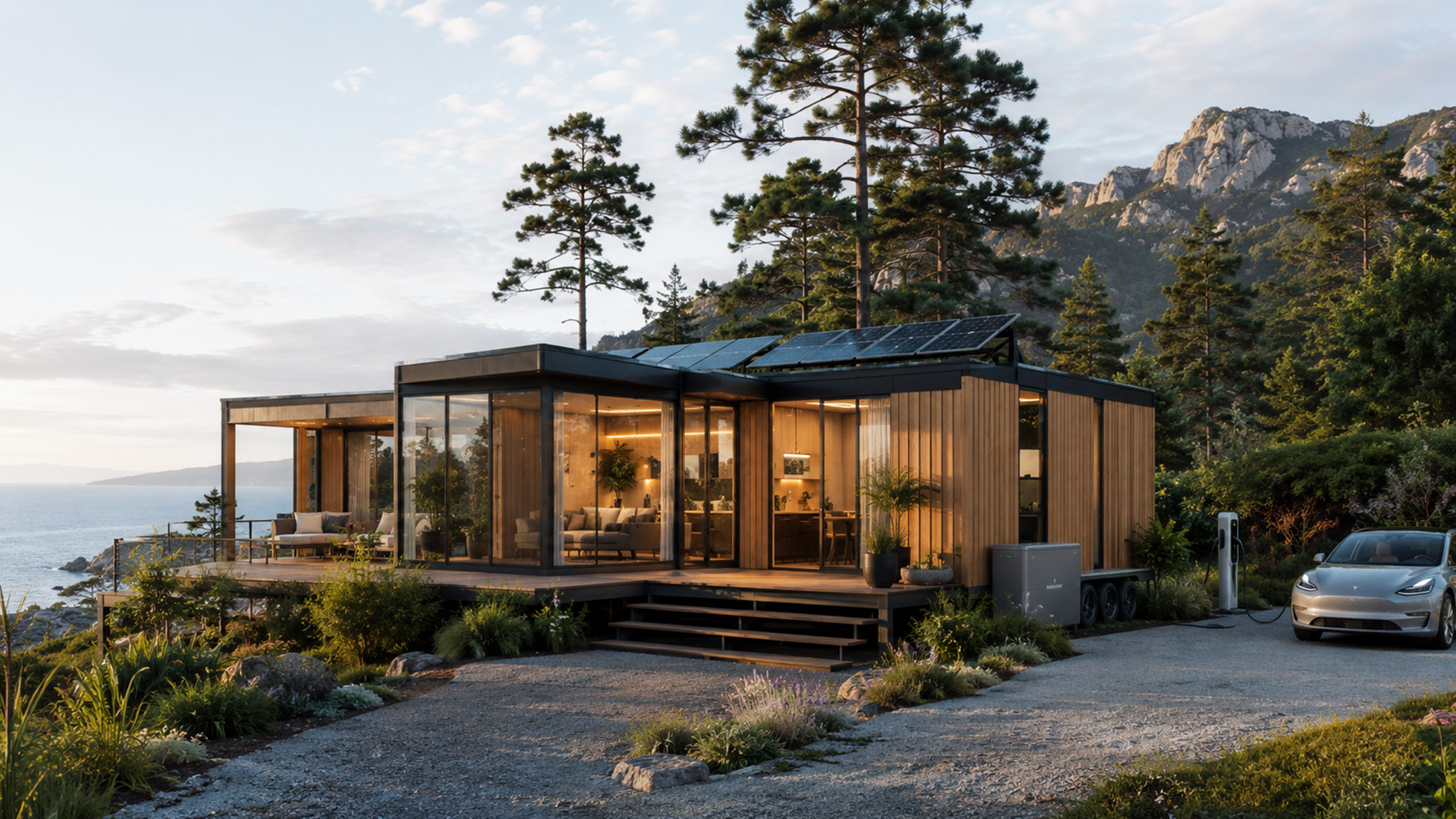
The evolution of high-end eco-conscious living is no longer about choosing between comfort and responsibility. If you are a homeowner facing rising electricity bills and unreliable grid power, your path toward energy independence now aligns with the most forward-thinking luxury trends.
Why Premium Living Is Shifting Toward Resilience and Responsibility
Affluent households are rethinking what “premium” means. The shift goes beyond aesthetics: it involves energy security, home resilience, green technology integration, and a commitment to environmental stewardship that holds up under scrutiny.
Why Rising Energy Costs and Grid Instability Matter to Affluent Households
Your electricity bill is not static. Across the U.S., residential rates have climbed steadily, and extreme weather events are straining aging grid infrastructure. For high-end households running climate control, pools, EV chargers, and smart systems, a single extended outage can cost thousands in spoiled goods, lost productivity, and comfort disruption.
When you depend entirely on the utility, you accept a level of vulnerability that conflicts with the control a modern luxury lifestyle demands. That is why more homeowners are investing in solar paired with battery storage. It is a practical hedge against rate hikes and blackouts.
How Home Energy Control Is Becoming a Modern Status Marker
Owning your energy production signals something different than a luxury car or a wine cellar. It reflects foresight.
Solar panels, home batteries, and smart energy management systems let you monitor and direct every watt your home produces and consumes. Some homeowners are even participating in virtual power plant programs, earning credits by sharing stored energy back to the grid during peak demand.
A well-designed solar, battery, and EV charging setup can reduce your reliance on outside power to near zero, giving you both financial savings and genuine resilience.
What Eco-Conscious Consumers Expect From High-End Purchases
Eco-conscious consumers in 2026 prioritize quality over quantity. You expect products to last, materials to be responsibly sourced, and brands to back their claims with data.
This means your solar panels should carry 25-year performance warranties. Your battery system should use safe chemistry with a documented cycle life. And the company installing it should stand behind its work with transparent pricing and ongoing support.
The expectation is simple: sustainability and luxury must deliver real, measurable value, not just a premium price tag.
How to Separate Real Progress From Greenwashing
Greenwashing remains a real problem across every luxury category. A product labeled “green” or “eco” without supporting evidence should raise a red flag immediately.
Here is what to look for when evaluating any high-end sustainable purchase:
- Third-party certifications: Look for UL listings, IEC standards compliance, LEED certification, or B Corp status depending on the product category.
- Published performance data: Credible brands share efficiency ratings, lifecycle analyses, and warranty terms openly.
- Ethical practices across the supply chain: Ask where materials come from and under what labor conditions.
- Verified customer outcomes: Real-world case studies and independently reviewed results carry more weight than marketing copy.
If a brand cannot answer these questions directly, the “eco” label may be surface-level.
Where Sustainable Luxury Shows Up in Homes, Fashion, and Travel
Sustainable luxury is showing up in tangible, daily ways, from the materials in your walls to the clothes in your closet and the destinations on your travel list. The common thread is long-term value, not short-term flash.
Luxury Homes Built With Sustainable Materials and Smart Systems
Luxury real estate in 2026 looks different from even five years ago. Builders are specifying reclaimed wood, non-toxic paints, and recycled steel framing as standard in premium projects. Smart irrigation systems cut outdoor water use by 30% to 50% without sacrificing landscape quality.
Inside, energy-efficient HVAC, triple-pane windows, and passive house insulation principles keep operating costs low while maintaining comfort.
If you are planning a new build or major renovation, pairing sustainable design with a reliable home energy system is one of the highest-return decisions you can make. Companies like Deep Blue Home specialize in integrating eco-friendly materials with modern living standards, which reflects where the market is heading.
| Feature | Benefit |
|---|---|
| Reclaimed wood and recycled metals | Lower embodied carbon, unique character |
| Non-toxic paints and finishes | Better indoor air quality |
| Solar + battery storage | Energy independence, lower bills |
| Smart irrigation | Reduced water use without landscape trade-offs |
Sustainable Fashion, Circular Fashion, and the New Luxury Marketplace
Sustainable fashion has moved well past novelty. Designers like Stella McCartney have built entire houses around organic cotton, mushroom leather, and biodegradable textiles. These are not compromises; the materials perform and feel premium.
Circular fashion is gaining real traction too. Platforms like The RealReal and Vestiaire Collective give pre-owned luxury items a second life, reducing waste while maintaining exclusivity. Buying a well-made piece secondhand, or reselling one you no longer wear, is now viewed as savvy rather than thrifty.
When you evaluate your wardrobe through the lens of cost-per-wear and material longevity, sustainable fashion consistently outperforms fast alternatives.
Eco-Conscious Travel and Hospitality That Match Luxury Expectations
Eco-conscious travel does not mean roughing it. Brands like Six Senses operate resorts powered by renewable energy, built with local sustainable materials, and staffed by community members who benefit directly from tourism revenue.
Tesla and other EV makers have also changed road-trip planning for affluent travelers. You can now drive coast to coast in a luxury electric vehicle with minimal carbon footprint, which is a shift that was nearly impossible a decade ago.
The best eco-conscious travel options pair comfort with transparency: published sustainability reports, carbon offset programs, and conservation-focused excursions that you can verify.
How to Evaluate Long-Term Value Across Products, Properties, and Experiences
Whether you are buying a home, a jacket, or a vacation, the evaluation framework is similar:
- Durability: Will this last? A 30-year roof or a well-constructed coat both qualify.
- Total cost of ownership: Factor in maintenance, energy savings, and resale value, not just the sticker price.
- Environmental footprint: Look at materials, manufacturing, and end-of-life options.
- Ethical sourcing and fair labor practices: These matter for your peace of mind and for the people behind the product.
The most rewarding high-end purchases in 2026 are the ones that perform well, hold their value, and align with your commitment to responsible living. That is what the evolution of eco-conscious luxury really looks like in practice.
