
If you’ve ever noticed more ants in summer, more flies around food, or even the odd mouse showing up in winter, you’re not imagining things. In Australia, pest activity changes quite noticeably throughout the year.
Different seasons create different conditions, and pests respond to those changes. Understanding what season pests are most active can help you stay ahead of infestations, protect your home, and avoid costly damage later on.
In simple terms, pests are most active during the warmer months of spring and summer, while their activity becomes less visible in winter. However, that doesn’t mean pests disappear.
They simply change their behaviour and where they spend their time. Let’s break it down season by season in plain, practical language.
Spring: The Season Where Pests “Wake Up”
Spring is often the starting point of increased pest activity. After the cooler winter months, temperatures begin to rise, and this encourages many insects and pests to become active again.
During spring, pests start looking for three main things:
- Food
- Water
- Safe places to breed or build nests
As a result, homeowners often begin to notice the early signs of pest problems. Common spring pest activity includes:
- Ants entering kitchens and bathrooms in search of food
- Bees and wasps becoming more active around gardens, roofs, and eaves
- Mosquitoes starting to breed in any standing water
- Spiders becoming more visible as they hunt for food
Spring is essentially a “preparation” season for pests. Populations begin to grow, and if nothing is done early, these numbers can increase significantly as summer approaches.
This is why many pest professionals consider spring a key time for prevention.
Summer: The Peak of Pest Activity
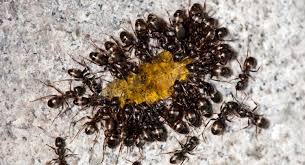
If there is one season where pests are at their worst, it is definitely summer. Warm temperatures and humidity create ideal breeding conditions, meaning pests can multiply very quickly.
This is why summer is widely known as the peak pest season in Australia. During summer, you are likely to see:
- Cockroaches in kitchens, bathrooms, and drains
- Flies around food, bins, and outdoor dining areas
- Mosquitoes in gardens, parks, and near water
- Ants forming long trails inside and outside the home
- Spiders hiding in dark, quiet areas such as sheds or garages
What makes summer particularly challenging is not just the number of pests, but how quickly they spread. A small issue in spring can turn into a full infestation during summer if left untreated.
Pests are also more likely to come indoors during hot weather. They look for cooler environments, moisture, and easy access to food, which makes homes very attractive to them.
For many households, summer is when pest problems become impossible to ignore.
Autumn: A Gradual Slowdown with Hidden Activity
Autumn is a transitional season. Temperatures begin to drop, and pest activity slowly starts to reduce compared to summer.
However, this does not mean the problem goes away. In fact, autumn is an important preparation period for pests as well.
Many pests begin searching for:
- Warmth
- Shelter
- Safe nesting areas for winter
This is why you may still notice ants, spiders, and cockroaches during autumn, even if their numbers are slightly lower than in summer. You might also see increased activity around:
- Roof spaces
- Wall cavities
- Garages and storage areas
Autumn is often overlooked, but it is actually one of the most important times to take preventative action. Sealing gaps, checking for early signs of infestation, and carrying out inspections can make a big difference before winter arrives.
Winter: Less Visible, But Not Pest-Free
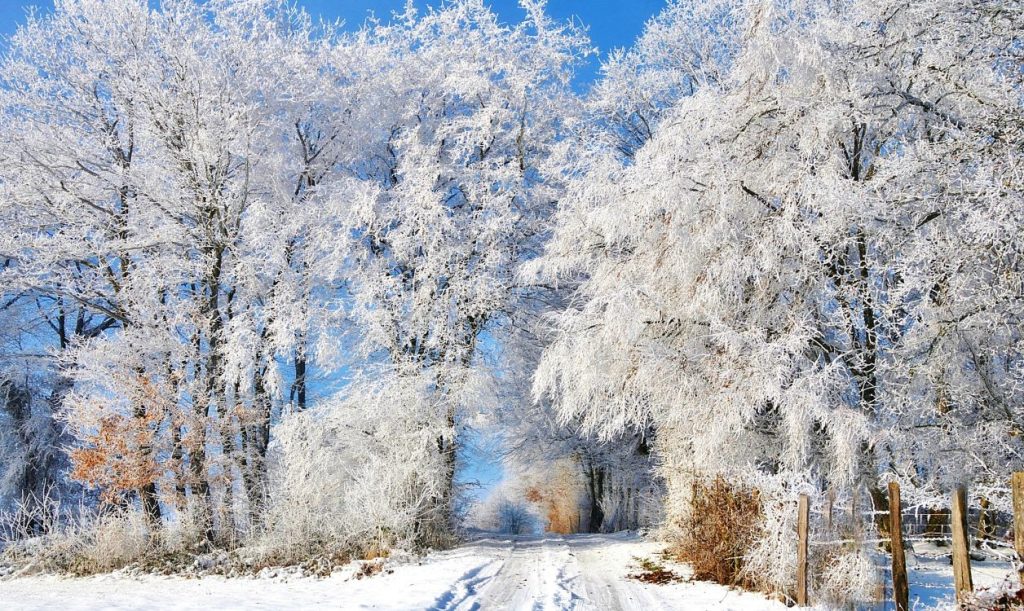
Winter is often seen as the “quiet” season for pests, and in some ways that is true. Cold temperatures slow down the activity of many insects, making them less visible outdoors.
However, pests do not disappear completely. Instead, their behaviour changes significantly.
What happens in winter?
- Many insects become dormant or less active
- Outdoor pest activity drops noticeably
- Pests move into hidden or sheltered areas
But there is one major exception, rodents. Winter is the time when rats and mice become a real concern for homeowners.
As the weather gets colder, they actively search for warmth, food, and shelter inside buildings. Common signs of winter rodent activity include:
- Scratching or movement noises in walls or ceilings
- Droppings in cupboards, pantries, or garages
- Chewed packaging, wires, or insulation
Other pests, such as cockroaches and termites, do not stop being active in winter either. Instead, they simply move deeper into warm, protected areas inside structures, making them harder to detect.
So while winter may feel quieter, it is still a season where hidden pest problems can develop.
Why Seasonal Pest Control Matters
Understanding how pests behave throughout the year is useful, but what really matters is acting at the right time. A simple way to think about it:
- Spring: Prevention starts here
- Summer: Peak risk, monitor closely
- Autumn: Prepare your home for winter
- Winter: Watch for indoor pests, especially rodents
This cycle shows why pest control is not just a one-time solution. It is something that works best when done regularly and seasonally.
Homes that are treated or inspected before peak seasons tend to experience fewer infestations and less damage overall.
Professional Help Makes a Difference
While there are many DIY steps homeowners can take, professional pest control often provides more reliable long-term results, especially in areas where pest activity is high. For example, services such as pest control in Perth are designed to deal with the specific pest challenges found in Australian conditions, from summer cockroach outbreaks to winter rodent issues.
Local experts, such as Termi H&C, understand seasonal pest behaviour and can provide targeted treatments that address both current infestations and future risks. If you are unsure about pest activity in your home or have noticed early warning signs, it is always worth taking the step to contact them for advice or an inspection.
So, what season are pests most active? The clear answer is spring and summer, when warm weather creates perfect conditions for breeding and growth.
These are the months when most pest problems become noticeable and often reach their peak. However, it is important to remember that pests are present all year round.
Their behaviour simply changes with the seasons. Spring brings early activity, summer brings peak infestations, autumn is a preparation phase, and winter often hides problems rather than removing them.
By understanding these seasonal patterns and taking preventative steps at the right time, you can greatly reduce the chances of serious infestations and keep your home protected throughout the year.