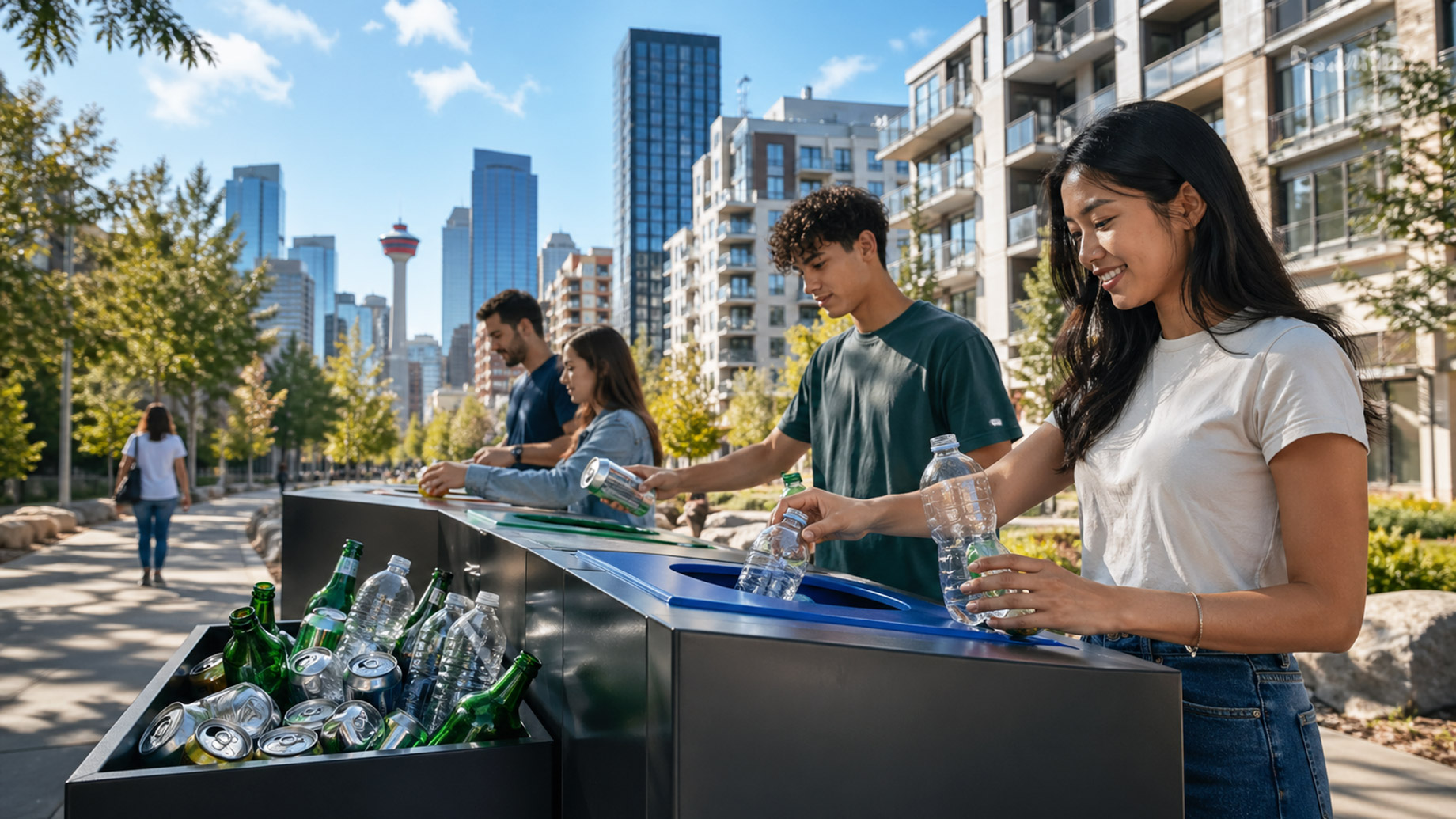
As Canadian cities continue to expand, the pressure on natural resources and waste management systems grows alongside them. From increased household consumption to commercial packaging waste, urban areas face mounting challenges in maintaining environmental balance. Among the most effective tools available to residents for reducing environmental harm is beverage container recycling.
Recycling bottles and cans is not merely a routine task—it is a critical environmental action that prevents pollution, conserves raw materials, reduces greenhouse gas emissions, and preserves ecosystems for future generations. In fast-growing urban centres such as Calgary, consistent container recycling plays a foundational role in keeping communities clean, resilient, and sustainable.
This article explores how beverage container recycling directly supports environmental protection in modern Canadian cities and why individual participation remains essential to collective environmental success.
Understanding the Environmental Challenge of Urban Waste
Urban waste grows in proportion to population density and consumption habits. Beverage containers make up one of the most visible and persistent forms of waste due to their high usage and frequent disposal.
Plastic bottles, aluminum cans, and glass containers are designed for short-term use but have long-term environmental consequences when improperly discarded. Plastic may persist in the environment for centuries, glass occupies permanent landfill space, and aluminum mining causes significant ecological disruption.
When containers are thrown into regular garbage instead of being recycled, they contribute to:
- Landfill overcrowding
- Soil and groundwater contamination
- Wildlife injury and habitat destruction
- Urban litter and drainage blockages
- Increased greenhouse gas emissions
Recycling directly interrupts this harmful cycle at the household level.
How Recycling Diverts Waste From Landfills
Landfills are not infinite solutions. Every tonne of waste deposited accelerates their saturation and increases long-term environmental risk. Beverage containers represent a large portion of landfill volume despite being fully recyclable.
When containers are returned through systems commonly known as a bottle depot, they are diverted away from permanent burial. Instead, they enter controlled recovery systems where materials are cleaned, processed, and transformed into reusable resources.
This diversion:
- Extends landfill lifespan
- Reduces methane gas production
- Lowers waste transportation emissions
- Minimizes leachate contamination
- Preserves surrounding land
Each recycled container prevents an unnecessary burden on landfill infrastructure.
Conserving Natural Resources Through Material Recovery
Producing new beverage containers from raw materials requires extensive extraction and energy. Recycling allows existing materials to remain in circulation, preserving natural ecosystems and reducing industrial pressure.
- Plastic recycling reduces reliance on petroleum extraction
- Glass recycling lowers demand for sand and mineral mining
- Aluminum recycling limits destructive bauxite ore mining
Recycled aluminum alone saves up to 95% of the energy required for primary production. Recycled glass reduces furnace fuel use by approximately 30%, while recycled plastics significantly lower fossil fuel consumption.
Through widespread recycling participation, urban communities collectively protect forests, waterways, and mining regions across Canada and beyond.
Reducing Greenhouse Gas Emissions
Manufacturing new beverage containers generates significant carbon emissions through mining, refining, transportation, and industrial processing. Recycling shortens this production chain, thereby reducing total emissions at multiple stages.
Environmental benefits include:
- Lower industrial energy requirements
- Reduced fossil fuel combustion
- Fewer long-distance transportation needs
- Decreased production-related air pollution
When thousands of households recycle consistently, emission reductions accumulate into measurable climate impacts. Urban recycling is therefore both a waste solution and a climate mitigation strategy.
Preventing Waterway and Marine Pollution
Improperly discarded bottles often travel through stormwater systems into rivers, lakes, and wetlands. Once in aquatic environments, containers degrade slowly and release microplastics and chemical residues.
These pollutants:
- Damage fish and bird populations
- Disrupt food chains
- Reduce oxygen levels in water
- Alter aquatic plant growth
- Threaten human drinking water sources
Systematic container recycling prevents bottles from entering waterways at the source. By returning containers consistently, residents act as the first line of defence against long-term water pollution.
Protecting Urban Wildlife and Natural Habitats
Urban and semi-urban ecosystems support diverse wildlife populations that are highly vulnerable to container waste. Animals frequently mistake plastic fragments for food, become trapped inside discarded containers, or suffer fatal injuries from glass shards.
Recycling protects wildlife by:
- Removing harmful debris from outdoor environments
- Reducing ingestion and entanglement risks
- Preserving nesting areas and feeding grounds
- Limiting toxic chemical exposure
- Maintaining natural migration corridors
When urban residents recycle responsibly, they extend environmental stewardship beyond city limits into the surrounding natural landscapes.
Improving Urban Cleanliness and Public Health
Bottle litter negatively affects not only environmental health but also public safety and sanitation. Broken glass creates physical hazards, while pooled liquids attract insects and rodents.
Cleaner recycling habits result in:
- Safer sidewalks and playgrounds
- Reduced pest infestation risks
- Improved drainage efficiency
- Lower bacterial contamination
- More visually appealing public spaces
Clean urban environments strengthen mental well-being, community pride, and outdoor recreation.
Strengthening Circular Economy Systems
The circular economy is built on keeping materials in use for as long as possible. Beverage container recycling represents one of the strongest circular systems currently in place.
Recycled materials are repurposed into:
- New beverage containers
- Construction insulation
- Automotive components
- Textile fibres
- Product packaging
Instead of extracting new raw resources, recycling extends the life of existing materials while reducing energy and environmental demand. Circular systems improve economic stability while protecting ecological systems.
Encouraging Sustainable Consumer Behaviour
When recycling becomes a routine household habit, it reshapes consumer behaviour over time. Residents begin to:
- Prefer recyclable packaging
- Reduce single-use plastic consumption
- Choose reusable alternatives
- Support sustainable manufacturers
- Consider product life cycles
This behavioural shift multiplies the environmental impact of recycling far beyond waste reduction alone.
Accessibility and Environmental Participation
Convenient access to return locations is essential for maintaining high recycling participation. Urban residents are more likely to recycle consistently when return centres are accessible and integrated into daily routines.
Facilities commonly referred to as a bottle depot Calgary allow families, students, and businesses to efficiently manage large volumes of containers while reinforcing responsible environmental habits.
Accessibility ensures that environmental responsibility remains practical rather than burdensome.
Reducing Municipal Environmental Management Costs
Environmental cleanup, drainage maintenance, and landfill operations require substantial municipal funding. When residents recycle bottles consistently:
- Litter removal needs decrease
- Storm drain blockages decline
- Landfill expansion is delayed
- Environmental remediation efforts shrink
- Public maintenance budgets stretch further
These cost savings free municipal resources for parks, infrastructure, and environmental education programs.
Teaching Environmental Responsibility to Future Generations
Children raised in homes with consistent recycling habits develop strong environmental values early in life. Participating in sorting, rinsing, and returning bottles teaches:
- Accountability
- Resource conservation
- Cause-and-effect relationships
- Civic responsibility
- Long-term sustainability thinking
These lessons create future adults who naturally prioritize environmental care in personal and professional decision-making.
Seasonal Impacts and Year-Round Recycling Importance
Seasonal consumption patterns directly affect container waste volumes. Summer gatherings, outdoor festivals, winter holidays, and sporting events all increase beverage use.
Consistent year-round recycling prevents:
- Seasonal landfill overflow
- Snowmelt litter runoff in spring
- Storm drainage blockage in summer
- Wildlife exposure during fall migration
- Waste accumulation under winter snow cover
Maintaining recycling discipline throughout the year ensures continuous environmental protection.
Calgary’s Role in Urban Environmental Leadership
As one of Canada’s fastest-growing cities, Calgary plays a significant role in demonstrating how urban sustainability can succeed at scale. Household recycling behaviour directly influences:
- Local water quality
- Air pollution levels
- Waste diversion targets
- Greenhouse emission strategies
- Long-term ecosystem protection
Urban environmental leadership begins with daily resident participation.
Final Thoughts
Beverage container recycling is one of the simplest yet most powerful environmental actions available to urban residents. Through consistent participation, communities reduce landfill strain, conserve natural resources, protect wildlife, lower emissions, and preserve clean water systems.
Every reclaimed bottle represents a commitment to environmental responsibility that extends far beyond a single household. When thousands of residents work together through routine recycling, entire cities become cleaner, healthier, and more resilient.
In the end, sustainable urban living is not built through grand gestures—it is built through small daily actions, repeated consistently, one recycled bottle at a time.
