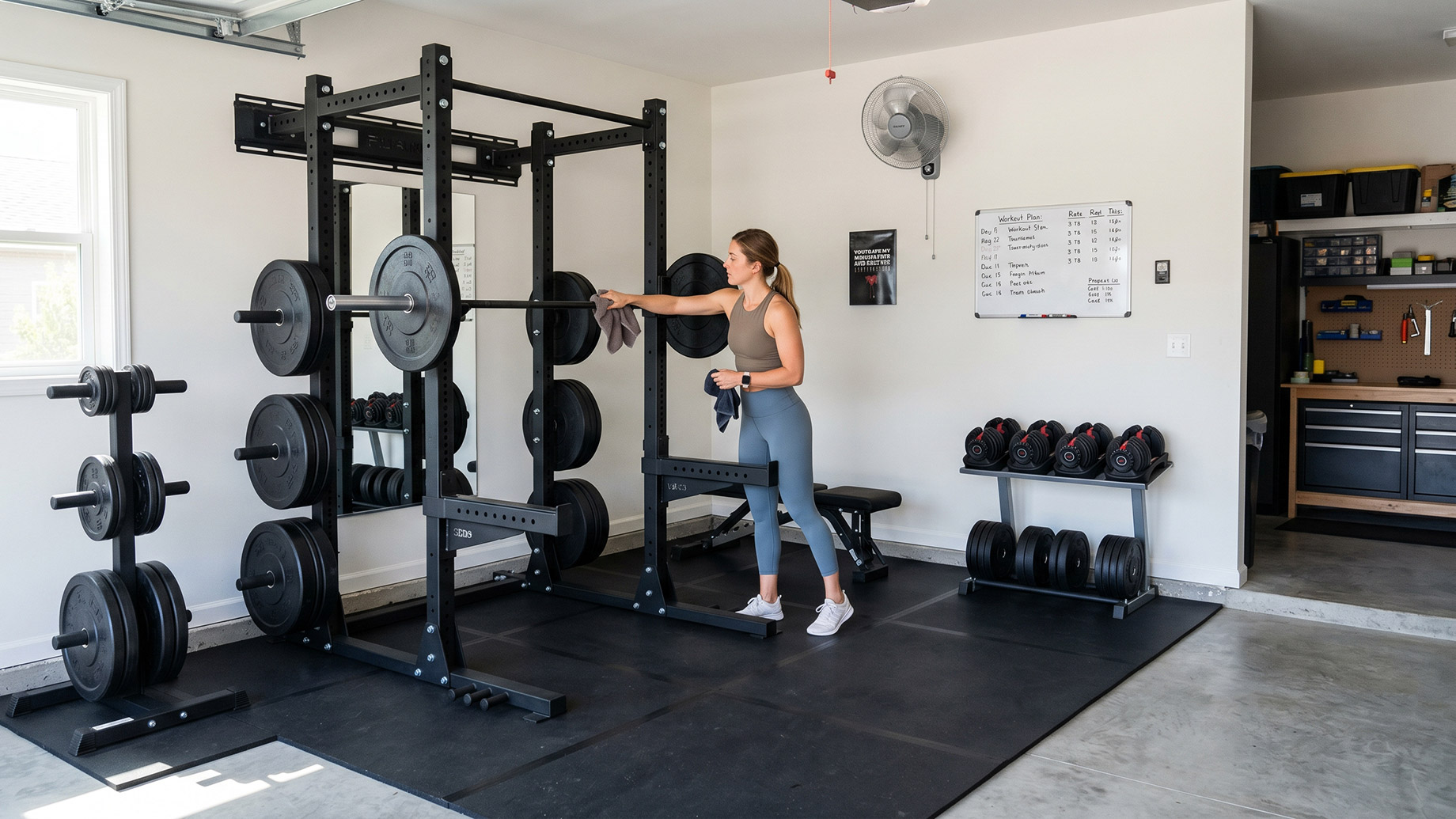
Creating a home gym can be a rewarding investment in health and convenience. However, many people make avoidable errors that lead to wasted space, unnecessary spending, or poor workout results. By understanding common mistakes and how to prevent them, you can design a workout area that truly supports your goals.
Ignoring Space Planning
One of the first mistakes is underestimating how much space equipment requires. Even compact machines need clearance for safe movement and ventilation. Before buying anything, measure the room and sketch a basic layout to ensure every item fits comfortably without blocking pathways.
Consider Room Function
If your gym shares space with another purpose, such as a guest room or garage, think about storage solutions. Foldable benches, adjustable dumbbells, and wall-mounted racks help maintain flexibility without cluttering the area.
Buying Too Much Equipment
It can be tempting to purchase large machines right away, but starting small is often wiser. Many people buy multiple pieces they rarely use, which limits floor space and adds unnecessary cost. Focus first on versatile items that support full-body workouts.
Prioritize Quality Over Quantity
Choose durable, reliable pieces that match your current fitness level. A few well-made tools from a trusted source such as Australia home fitness equipment, can provide better long-term value than an assortment of cheaper alternatives.
Overlooking Flooring and Safety
Floors play an essential role in comfort and injury prevention. Hard surfaces can damage equipment and strain joints. Adding rubber mats or foam tiles protects both the floor and your body, while also reducing noise and vibration.
Safety Considerations
Make sure your setup has proper lighting and ventilation. Keep cords, weights, and accessories organized to prevent tripping hazards. Regularly inspect your gear for wear to avoid accidents during workouts.
Neglecting Maintenance
Even basic equipment requires upkeep. Dust, sweat, and friction can shorten lifespan if ignored. Wiping down surfaces, lubricating moving parts, and checking bolts regularly helps maintain performance and cleanliness.
Establish a Routine
Integrate maintenance tasks into your schedule, just as you would with workouts. A few minutes each week can prevent costly repairs and ensure everything remains functional for years.
Failing to Plan Workouts
Having the right gear is only half the equation. Without a structured exercise plan, motivation can fade quickly. Define clear goals, such as strength building, endurance, or flexibility, and select exercises that align with these objectives.
Track Progress
Keeping a simple log of repetitions, weights, or time helps maintain accountability and reveals progress. Adjust routines periodically to avoid plateaus and keep training engaging.
Overlooking Personal Preferences
A gym that feels motivating encourages consistent use. Choose colors, lighting, and music that suit your personality. Small touches like mirrors or a fan can make the environment more pleasant and functional.
Building a Sustainable Routine
Consistency matters more than intensity when developing lasting habits. Set realistic expectations and allow time for recovery. A well-planned space with appropriate fitness equipment supports steady progress without unnecessary strain.
By avoiding these common pitfalls, you can create a balanced, efficient, and enjoyable home gym that enhances both physical health and daily well-being.
