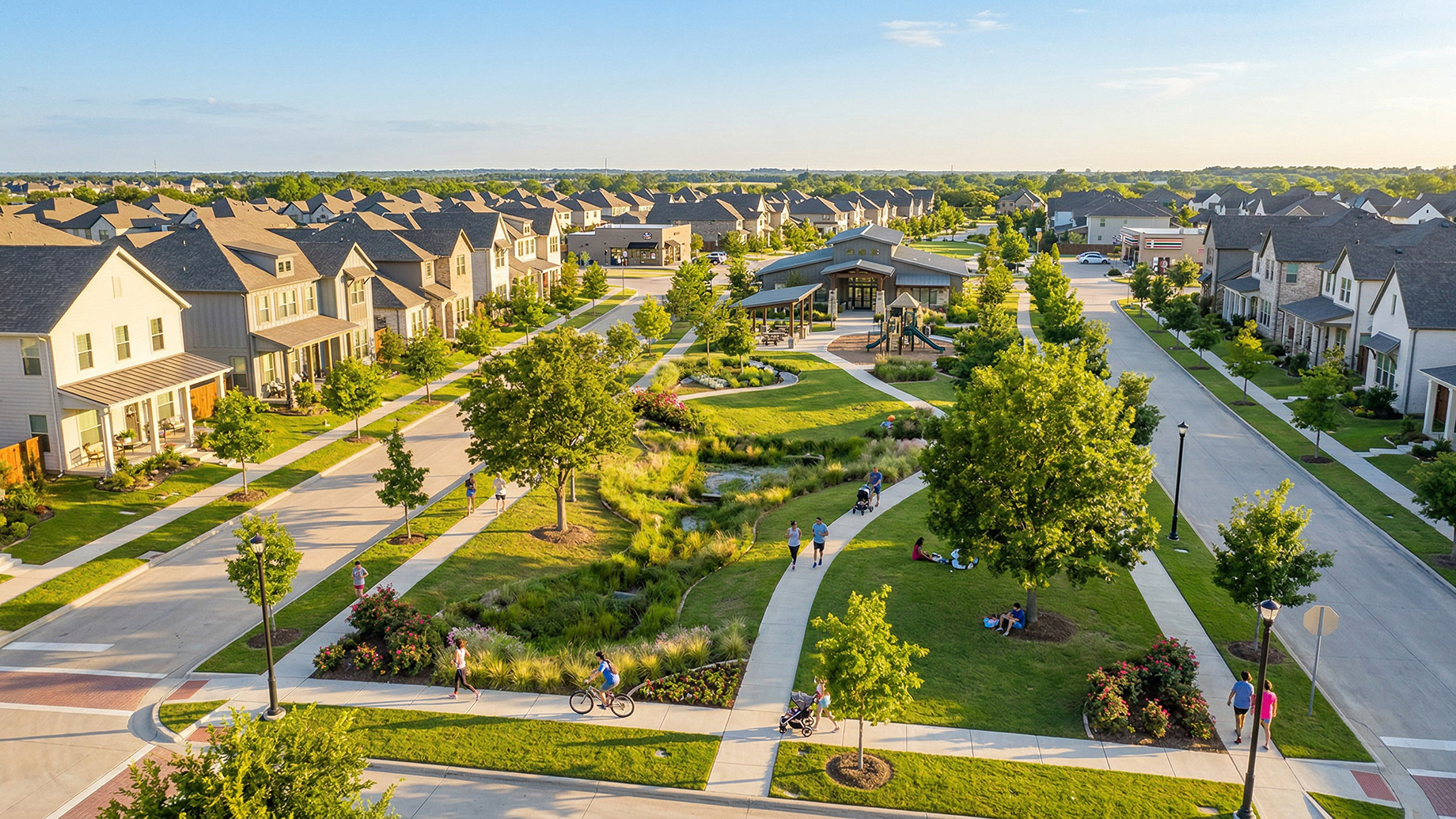
Have you noticed how people now look beyond the house itself when choosing where to live? In growing areas like Royse City, TX, buyers are paying closer attention to the full neighborhood experience. A home is no longer just walls and a roof. It is part of a larger environment that shapes daily life.
Recent shifts in work habits and lifestyle priorities have changed expectations across the housing market. More people want convenience, connection, and comfort in one place. Therefore, neighborhood design has become just as important as the home itself. Buyers are asking different questions now, and developers are responding.
In this article, we will share how modern neighborhood design is evolving and what today’s homebuyers truly expect from the communities they choose.
The Shift Toward Lifestyle-Driven Communities
More Than Just a Place to Live
Modern homebuyers are thinking differently about where they live. It is no longer just about square footage. The focus has shifted toward how a neighborhood supports everyday routines and long-term comfort.
Remote work has influenced this change. People spend more time at home. Therefore, surroundings matter more because daily life now happens closer to where people live.
Walkability has become a key feature. Convenience is valued. Being able to access parks, shops, and shared spaces easily makes a neighborhood more appealing.
Community interaction is also gaining importance. People want connection. Friendly environments where neighbors interact create a stronger sense of belonging.
A master-planned community often reflects these priorities. It is designed with intention. Layouts, amenities, and shared spaces are created to support a balanced lifestyle.
Real-World Examples Shaping Expectations
Communities like Creekside in Royse City, TX, highlight how these expectations are being met. Buyers are drawn to neighborhoods that offer more than just homes, so features like green spaces and welcoming streets become major selling points.
Open areas encourage outdoor activity. They promote well-being. Families can gather, children can play, and daily routines feel more relaxed and enjoyable.
Design also influences perception. Streets feel inviting. Simple details like landscaping and layout create an atmosphere that feels comfortable and connected.
Buyers are noticing these elements more than before. They value experience. A neighborhood that feels thoughtful and cohesive stands out in a competitive market.
This trend reflects broader changes. People want balance. A well-designed community supports both privacy and interaction, which enhances overall quality of life.
Amenities That Support Everyday Living
Convenience as a Core Expectation
Modern buyers expect convenience to be built into their neighborhoods. It saves time. Access to essential services nearby makes daily routines easier and more efficient.
Shared amenities are becoming standard. They add value. Features like walking trails, playgrounds, and gathering spaces enhance the living experience.
Fitness options are also in demand. Health is a priority. Outdoor areas and recreational spaces encourage active lifestyles, so residents feel more engaged.
Technology is shaping expectations as well; smart features are no longer an option. High-speed internet and digital access are now seen as necessities rather than luxuries.
Convenience reduces stress. It improves comfort. When daily needs are easily met, the neighborhood becomes more appealing overall.
Spaces That Encourage Interaction
Social spaces are gaining importance in neighborhood design. They bring people together. Shared environments create opportunities for connection and community engagement.
Parks and open areas play a key role. They support activity. These spaces allow residents to relax, exercise, and interact naturally throughout the day.
Community events are also becoming common. They build relationships. Organized activities help neighbors connect, which strengthens the overall environment.
Design influences behavior. It shapes interaction. Layouts that encourage movement and visibility help create a more connected community.
These elements add depth to neighborhoods. They create identity. A strong sense of place makes residents feel more invested in where they live.
Design That Balances Privacy and Connection
Creating Comfortable Living Environments
Modern neighborhoods must balance privacy with accessibility. Both are important. Buyers want personal space while still feeling part of a larger community.
Home placement plays a role. It affects flow. Strategic spacing allows for privacy while maintaining visual connection between homes.
Noise control is also considered. It impacts comfort. Thoughtful design helps reduce disturbances, which improves the living experience.
Outdoor spaces are becoming more intentional. They add value. Private yards combined with shared areas create a balanced environment.
Comfort drives satisfaction. It shapes decisions. Buyers are more likely to choose neighborhoods that offer both quiet and connection.
Thoughtful Layouts That Make Sense
Neighborhood layout affects daily movement. It guides behavior. Well-planned streets and pathways make navigation easier and more intuitive.
Traffic flow is an important factor. It impacts safety. Slower streets and clear pathways create a more secure environment for families.
Accessibility matters for all residents. It supports inclusivity. Designs that accommodate different needs make neighborhoods more welcoming.
Visual appeal also plays a role. It creates first impressions. Clean, organized layouts make neighborhoods feel more inviting and well-maintained.
Good design simplifies life. It reduces friction. When everything feels intuitive, residents can focus on enjoying their surroundings.
Sustainability and Long-Term Value
Eco-Friendly Features Are Becoming Standard
Sustainability is no longer optional. It is expected. Buyers are looking for neighborhoods that support environmentally friendly living.
Energy-efficient homes are in demand. They reduce costs. Features like better insulation and efficient systems help lower long-term expenses.
Green spaces also contribute to sustainability. They support nature. Trees, parks, and landscaping improve air quality and overall well-being.
Water management is another consideration. It prevents issues. Proper drainage systems protect homes and maintain the integrity of the community.
These features benefit both residents and the environment. They add value. Sustainable design is becoming a defining characteristic of modern neighborhoods.
Investing in Long-Term Growth
Buyers are thinking about the future. They consider value. A well-designed neighborhood is more likely to maintain or increase its worth over time.
Infrastructure plays a role in this. It supports growth. Roads, utilities, and shared spaces must be built to last and adapt.
Community reputation also matters. It influences demand. Areas known for quality design tend to attract more buyers, which supports property values.
Long-term planning reflects stability. It builds trust. Buyers feel more confident when they see thoughtful development and consistent upkeep.
This forward-thinking approach benefits everyone. It creates longevity. A strong neighborhood remains desirable for years to come.
A New Standard for Modern Living
Modern neighborhood design reflects changing priorities. It focuses on experience. Buyers want environments that support their lifestyles, not just their housing needs.
Convenience, connection, and sustainability are shaping decisions. They define expectations. Developers are responding by creating spaces that feel intentional and balanced.
This shift is not temporary. It is ongoing. As lifestyles continue to evolve, neighborhood design will adapt to meet new demands.
The home remains important. The surroundings matter more. Together, they create a complete living experience that defines modern housing.
Those who understand these trends will make better choices. They will benefit. A thoughtfully designed neighborhood offers more than a place to live, it creates a place to belong.
